Neglecting your plumbing system can lead to unexpected breakdowns, expensive repairs, and serious water damage. Many homeowners only think about their pipes and boilers when something goes wrong, but a proactive approach saves money and stress. Regular maintenance prevents the gradual deterioration that causes leaks, reduces efficiency, and shortens the lifespan of your heating system. This article provides a practical plumbing maintenance checklist tailored for UK homes, covering essential tasks you can perform yourself and highlighting when professional help becomes necessary. By following these straightforward steps, you'll protect your property and ensure your plumbing operates reliably year-round.
Table of Contents
- Key Takeaways
- Understanding the importance of plumbing maintenance
- Essential plumbing maintenance checklist items
- Comparing common plumbing maintenance techniques and treatments
- When to seek professional plumbing support
- Trusted local plumbing services at your fingertips
- Frequently asked questions
Key Takeaways
| Point | Details |
|---|---|
| Regular inspections | Regular inspections help detect leaks early, reducing the risk of expensive repairs. |
| Hard water damage | Hard water promotes limescale buildup that damages boilers and pipes, reducing appliance efficiency. |
| Maintenance log | Keeping a maintenance log helps track findings and informs future servicing. |
| Practical checklist | Following a practical maintenance checklist makes tasks manageable and prolongs the system’s lifespan. |
| Professional help advised | Professional help is advised for complex tasks or when safety and specialist knowledge are required. |
Understanding the importance of plumbing maintenance
Your home's plumbing system works constantly behind the scenes, delivering clean water and removing waste. When you ignore routine maintenance, small issues escalate into major problems that disrupt daily life and drain your wallet. Understanding the specific challenges UK homeowners face helps you appreciate why regular checks matter.
Hard water presents a significant challenge across Britain. 60% of UK homes experience hard water causing limescale buildup that gradually clogs pipes, damages boilers, and reduces appliance efficiency. This mineral accumulation acts like cholesterol in arteries, restricting water flow and forcing your heating system to work harder. The extra strain increases energy bills and accelerates wear on expensive components.
Hidden leaks pose another serious threat. A small drip behind a wall or under a floor can go unnoticed for months, causing structural damage, mould growth, and wasted water. Monitoring your water meter helps detect these invisible problems early. If your meter continues running when all taps are off, you likely have a leak somewhere in the system. Unexplained spikes in your water bill serve as another warning sign.
Common consequences of neglected plumbing include:
- Corroded pipes that burst without warning, flooding rooms and damaging belongings
- Inefficient boilers that consume excess energy whilst struggling to heat your home
- Blocked drains that back up sewage into sinks and bathrooms
- Failed appliances like washing machines and dishwashers due to limescale damage
- Expensive emergency callouts that could have been prevented with simple maintenance
Recognising these risks motivates consistent upkeep. A professional plumber in Bracknell or your local area can assess your system's current condition, but many preventive tasks require only basic tools and attention. The investment of time pays dividends by avoiding catastrophic failures that force you to arrange costly boiler repairs in Bracknell or elsewhere on short notice.
Pro Tip: Keep a maintenance log noting inspection dates, findings, and actions taken. This record helps you spot patterns and provides valuable information for professionals during service calls.
Essential plumbing maintenance checklist items
Implementing a systematic approach to plumbing care transforms an overwhelming task into manageable steps. Follow this checklist monthly or quarterly depending on your home's age and water quality. Each item takes minimal time but contributes significantly to system longevity.
-
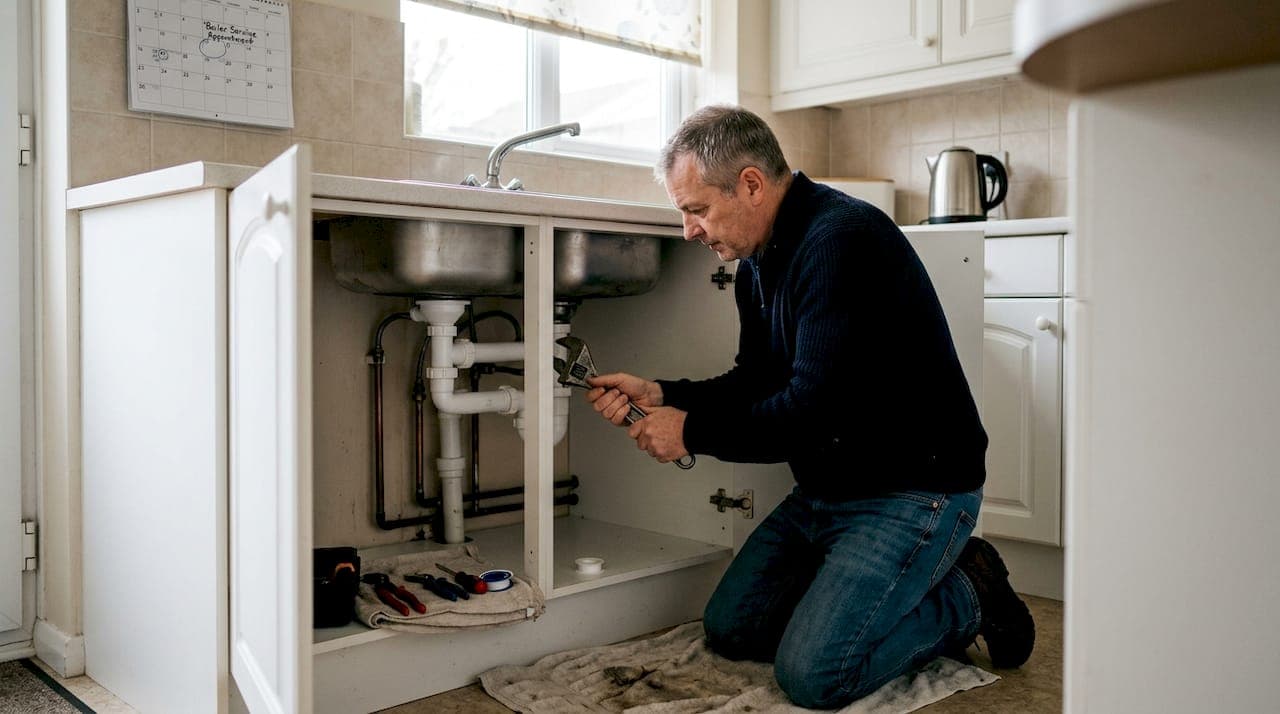
Inspect all visible pipes for signs of trouble. Check under sinks, behind toilets, and in cupboards where pipes run. Look for moisture, rust spots, green corrosion on copper pipes, or white mineral deposits. Even small drips waste water and indicate deteriorating seals or joints that will worsen over time.
-
Test taps and valves throughout your home. Turn each tap fully on and off, checking for smooth operation without excessive force. Stiff valves suggest internal corrosion, whilst dripping taps waste surprising amounts of water. A tap dripping once per second wastes approximately 3,000 litres annually.
-
Monitor your water meter monthly. Record the reading when no water is being used, then check again after two hours. Any movement indicates a leak. This simple test catches problems before they cause visible damage. Contact a plumber in High Wycombe or your area if you detect unexplained water usage.
-
Remove limescale buildup from fixtures and accessible pipes. For taps and showerheads, soak a cloth in white vinegar and wrap it around the affected area for several hours. Baking soda mixed with water creates a paste that scrubs away deposits without scratching chrome finishes. These natural solutions work effectively for mild to moderate buildup.
-
Check your boiler pressure gauge. Most combination boilers operate optimally between 1 and 1.5 bar when cold. Low pressure reduces heating efficiency, whilst excessive pressure strains components. Your boiler manual explains how to adjust pressure safely using the filling loop.
-
Flush drains with hot water weekly. Pour a kettle of boiling water down sinks and shower drains to dissolve soap scum and grease before they accumulate into blockages. This preventive measure costs nothing and prevents most common drain problems.
-
Inspect washing machine and dishwasher hoses. These rubber connections deteriorate over time, developing cracks or bulges that precede catastrophic failures. Replace hoses every five years regardless of appearance, and immediately if you notice any damage.
-
Consider power flushing your heating system every five to six years. This professional service removes accumulated sludge and limescale, restoring efficiency and extending component life. Water softeners provide ongoing protection by preventing new mineral deposits.
Pro Tip: Schedule maintenance tasks around seasonal changes. Spring and autumn offer ideal times for thorough inspections, whilst monthly meter checks become habitual when tied to bill payments.
A reliable plumber in Staines can demonstrate proper inspection techniques during routine service visits, building your confidence for independent maintenance between professional checkups.
Comparing common plumbing maintenance techniques and treatments
Homeowners face multiple options for managing limescale and maintaining plumbing systems. Each approach offers distinct advantages and limitations. Understanding these differences helps you choose methods that match your budget, environmental priorities, and maintenance preferences.
| Treatment method | Effectiveness | Cost | Environmental impact | Maintenance required |
|---|---|---|---|---|
| Vinegar and baking soda | Good for mild limescale | Very low | Minimal | Weekly application |
| Water softeners | Excellent prevention | Moderate to high | High water and salt use | Monthly salt refills |
| Magnetic descalers | Variable results | Low to moderate | None | None |
| Chemical inhibitors | Good for heating systems | Low | Moderate | Annual replacement |
| Professional power flushing | Excellent for existing buildup | High | Moderate | Every 5-6 years |
Vinegar and baking soda represent the most accessible starting point. These household staples dissolve light mineral deposits without harsh chemicals or special equipment. Pour half a cup of baking soda followed by a cup of vinegar down drains monthly to maintain clear pipes. For fixtures, the acid in vinegar breaks down calcium carbonate effectively. However, these methods struggle against heavy limescale accumulation in pipes and boilers.
Water softeners offer comprehensive protection by removing calcium and magnesium before they enter your plumbing system. These devices extend heating system life significantly by preventing scale formation entirely. The trade-offs include substantial upfront costs, ongoing salt purchases, and increased water consumption during regeneration cycles. Some homeowners object to the environmental impact of discharging salt-laden wastewater.
Key considerations when choosing treatments:
- Hard water severity in your area determines which methods prove cost-effective
- Existing limescale requires removal before preventive treatments work optimally
- Combination approaches often deliver better results than single methods
- Professional assessment identifies the most problematic areas requiring attention
Power flushing addresses established problems that DIY methods cannot reach. This professional service forces cleaning chemicals through your heating system at high velocity, dislodging years of accumulated sludge and scale. The dramatic improvement in efficiency often reduces heating bills enough to offset the service cost within two years. Following power flushing with inhibitor chemicals or a water softener prevents rapid recontamination.
Pro Tip: If you live in a hard water area, combining an annual vinegar maintenance routine with professional power flushing every five years provides excellent protection without the ongoing costs of water softeners.
For expert guidance on the best approach for your specific situation, Staines plumbing and heating professionals can test your water hardness and recommend tailored solutions.
When to seek professional plumbing support
Whilst many maintenance tasks suit DIY approaches, certain situations demand professional expertise. Recognising these boundaries protects your safety, preserves equipment warranties, and prevents well-intentioned efforts from causing greater damage.
Complex leaks require professional diagnosis and repair. Water appearing on walls or ceilings often originates far from the visible damage, travelling along joists or through wall cavities. Tracing the source demands specialised equipment and experience. Similarly, leaks within walls or under concrete floors necessitate professional tools to locate and access without unnecessary destruction.
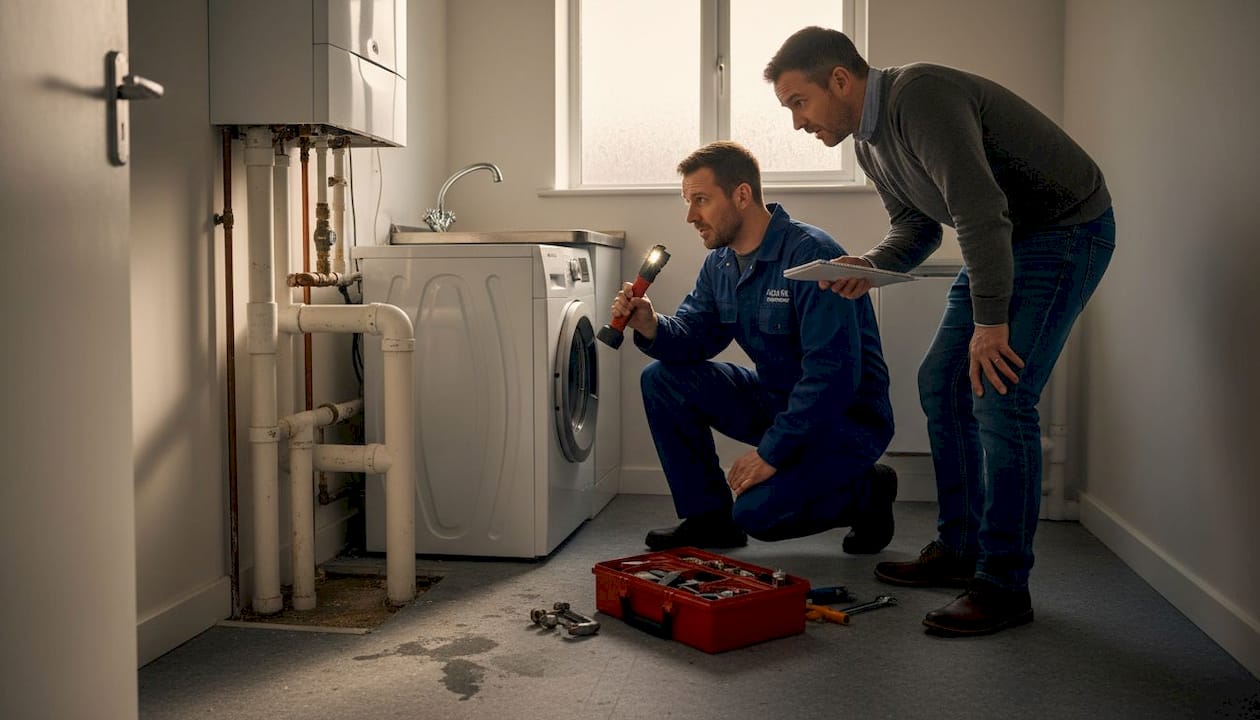
Gas appliances and boiler servicing must only be performed by Gas Safe registered engineers. Attempting DIY repairs on gas boilers risks carbon monoxide leaks, explosions, and invalidated warranties. Annual boiler servicing by qualified professionals catches developing problems early and maintains manufacturer guarantees. This legal requirement protects your household and maintains insurance coverage.
Situations requiring professional plumbing support:
- Installing or relocating pipes, radiators, or major appliances
- Repairing or replacing water heaters and combination boilers
- Addressing recurring blockages that resist normal clearing methods
- Upgrading plumbing systems to meet current building regulations
- Power flushing heating systems and installing system inhibitors
- Investigating unexplained water pressure problems or noisy pipes
- Conducting comprehensive pre-purchase property inspections
Professional plumbers carry liability insurance covering accidental damage during repairs. This protection proves invaluable when work involves shut-off valves that might fail or pipes that break during attempted repairs. Their expertise also ensures compliance with water regulations and building codes, essential when selling your property or claiming on home insurance.
Regular professional inspections complement your maintenance efforts. An experienced plumber spots subtle warning signs invisible to untrained eyes, such as early corrosion, improper pipe slopes affecting drainage, or undersized components struggling to meet demand. These proactive visits typically cost less than emergency callouts and prevent inconvenient breakdowns.
Scheduling annual inspections becomes effortless when you book your local plumber online at your convenience. Establishing a relationship with trusted professionals means help arrives quickly when urgent problems arise. For boiler concerns specifically, arranging boiler repairs in Staines or your local area before winter ensures your heating system operates reliably during cold months.
Trusted local plumbing services at your fingertips
Maintaining your plumbing system becomes significantly easier when you have reliable professional support available. Whether you need emergency assistance or planned maintenance, accessing qualified local experts should never feel complicated.

Your Local Plumber connects you with experienced engineers who understand the specific challenges UK homes face, from hard water damage to ageing pipe systems. The straightforward online booking system lets you schedule appointments at times that suit your routine, eliminating phone tag and waiting on hold. Transparent pricing means you know costs upfront, without hidden fees or surprise charges.
Comprehensive professional plumbing services cover everything from leak detection and pipe repairs to complete bathroom installations. When heating concerns arise, qualified heating engineer services ensure your boiler operates safely and efficiently. This breadth of expertise means one trusted provider handles all your plumbing and heating needs, building familiarity with your property's systems over time. Book your local plumber online today and experience the peace of mind that comes from knowing help is just a click away.
Frequently asked questions
What is the best way to prevent limescale buildup in UK homes?
Installing a water softener provides the most effective prevention by removing calcium and magnesium before they enter your plumbing system. For budget-conscious homeowners, regular vinegar treatments on fixtures combined with annual power flushing of heating systems offers good protection. Adding system inhibitor chemicals after power flushing slows limescale reformation significantly.
How often should I check my water meter for leaks?
Check your water meter monthly to catch hidden leaks early. Record the reading when no water is being used, wait two hours without using any taps or appliances, then check again. Any movement indicates a leak requiring investigation. This simple habit prevents thousands of pounds in water damage and wasted utility costs.
Can I perform boiler maintenance myself or must I hire a professional?
Basic tasks like checking pressure gauges and bleeding radiators are safe for homeowners. However, internal boiler servicing, repairs, and any work involving gas connections must only be performed by Gas Safe registered engineers. Annual professional servicing is legally required and maintains your warranty coverage whilst ensuring safe operation.
What are the signs that I need professional plumbing help immediately?
Contact a professional immediately if you notice water pooling around your boiler, smell gas, hear banging noises in pipes, experience complete loss of water pressure, or discover water damage on walls or ceilings. These symptoms indicate serious problems that worsen rapidly without expert intervention. Emergency services prevent minor issues from becoming catastrophic failures.
How much does professional power flushing cost and is it worth the investment?
Power flushing typically costs between £300 and £600 depending on system size and contamination levels. The investment proves worthwhile in hard water areas, as removing accumulated sludge and limescale improves heating efficiency by up to 25%, reducing energy bills substantially. Most homeowners recover the cost through lower heating bills within two to three years whilst extending boiler lifespan significantly.