Not every dripping tap is a crisis, but some plumbing problems simply cannot wait until Monday morning. A burst pipe, sewage backup, or sudden loss of water supply can cause thousands of pounds of damage within hours. The good news is that suburban UK response times typically fall between 60 and 120 minutes, meaning professional help is rarely far away. This guide covers exactly what qualifies as a plumbing emergency, how quickly you can expect a plumber to arrive, what it will cost in 2026, and how to choose someone you can genuinely trust when the pressure is on.
Table of Contents
- What is emergency plumbing and what counts as an emergency?
- How quickly do emergency plumbers respond in the UK?
- How much does emergency plumbing cost in 2026?
- When to call an emergency plumber and what to do while you wait
- How to choose a reliable emergency plumber in your area
- Why smart preparation always beats panic in a plumbing emergency
- Get immediate help and peace of mind with your local plumber
- Frequently asked questions
Key Takeaways
| Point | Details |
|---|---|
| Urgency matters | Dealing quickly with leaks or blockages minimises both damage and costs. |
| Expectations for help | Suburban emergency plumbers usually arrive within 60–120 minutes, but timing affects fees. |
| Know the costs | Emergency call-outs can cost between £80 and £300, with higher rates after hours. |
| Take action early | Shutting off water and electricity near leaks helps keep your home safe before help arrives. |
| Choose wisely | Selecting a trusted, local plumber in advance saves time and reduces stress during emergencies. |
What is emergency plumbing and what counts as an emergency?
Emergency plumbing covers any situation where immediate professional intervention is needed to prevent serious property damage, a health risk, or a complete loss of essential services. It is not the same as a routine repair that can be booked a few days ahead. Think of it as the difference between a slow drip under the sink and water pouring through your kitchen ceiling.
Some homeowners hesitate to call an emergency plumber because they worry about the cost or feel they might be overreacting. In most cases, acting fast is far cheaper than waiting. Water damage spreads quickly through floorboards, plasterwork, and electrics, turning a manageable repair into a major renovation.
Common situations that qualify as genuine emergencies include:
- Burst or fractured pipes causing active flooding
- Major leaks from boilers, radiators, or supply lines
- Complete loss of water supply to the property
- Sewage backups or blocked drains causing overflow
- Gas-related plumbing faults near boilers or water heaters
- Frozen pipes that have split or are at risk of bursting
You can find more plumbing emergency examples in our maintenance checklist, which also helps you spot warning signs before they escalate.
"If water is actively entering your home or you have no supply at all, treat it as an emergency. Every minute of delay increases the risk of structural damage and mould growth."
The key test is simple: is this situation getting worse by the hour? If yes, pick up the phone. Response benchmarks of 60 to 120 minutes for suburban areas mean that qualified help can be with you well before most damage becomes irreversible.
How quickly do emergency plumbers respond in the UK?
When water is flooding your hallway, every minute feels like an hour. Understanding realistic response times helps you stay calm and plan your next move rather than spiralling into panic.
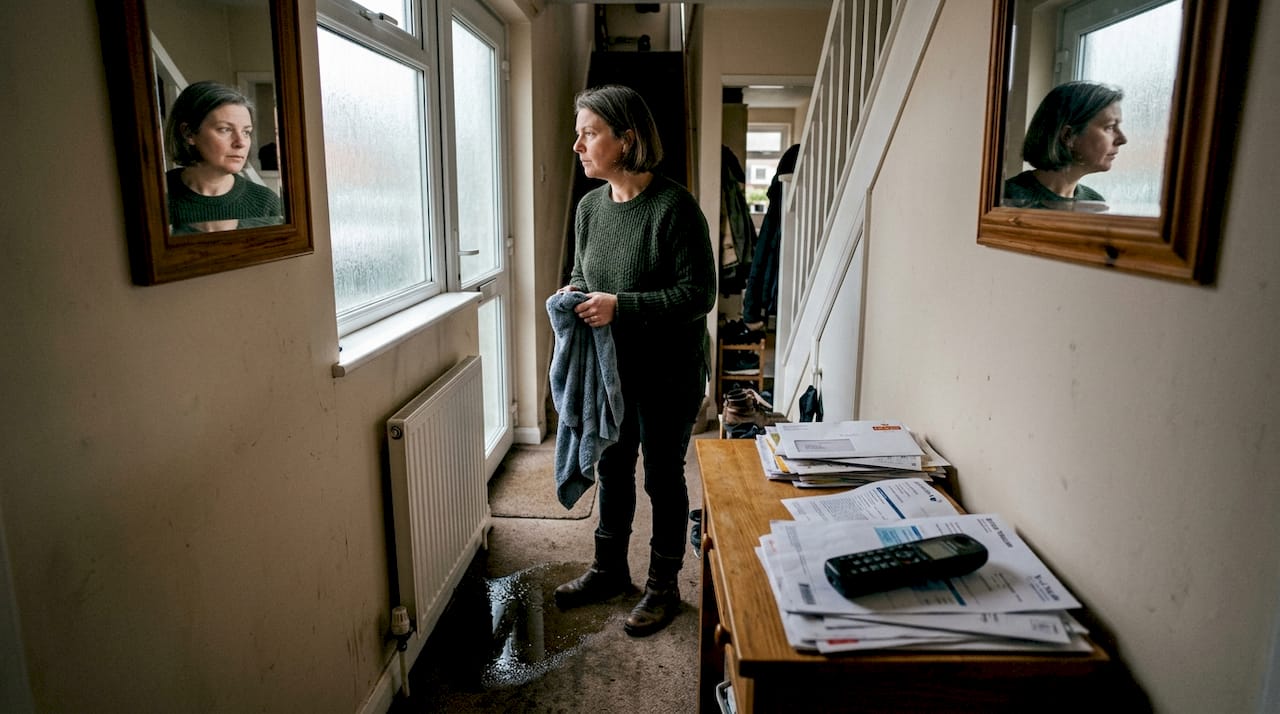
For most suburban UK homeowners, emergency response averages 60 to 120 minutes. That is a meaningful window, and it is exactly why knowing what to do while you wait matters so much. City centre locations often benefit from faster arrival times due to higher engineer density, while rural properties may face waits of two hours or more.
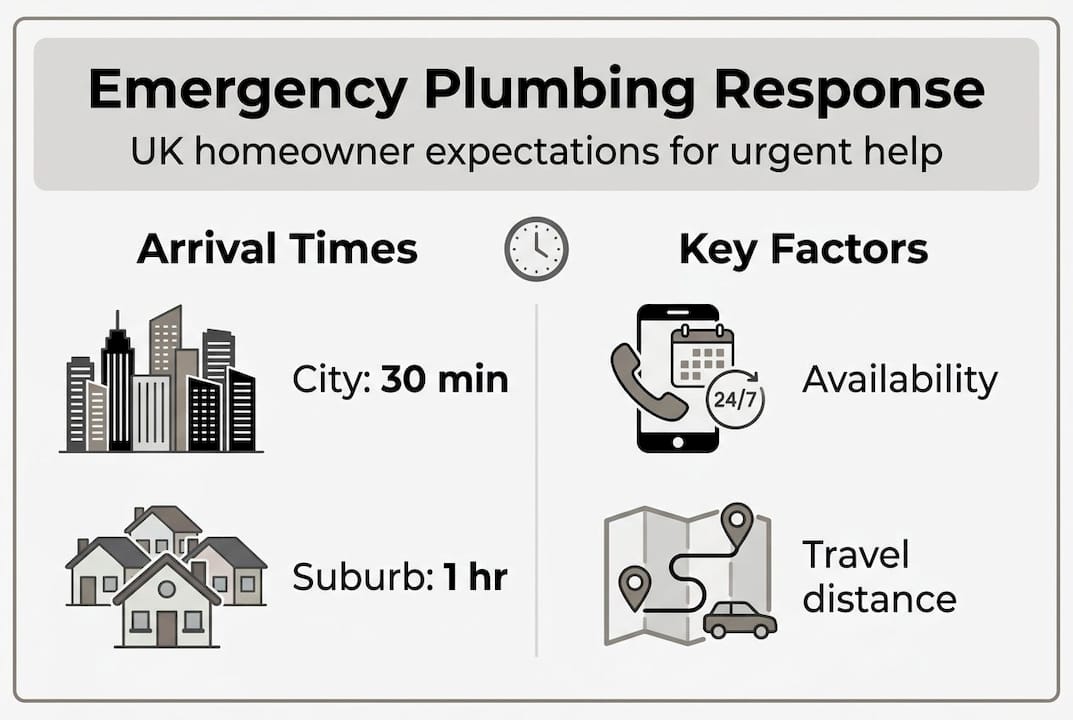
| Location type | Typical response time | Key factor |
|---|---|---|
| City centre | 30 to 60 minutes | High engineer availability |
| Suburban area | 60 to 120 minutes | Moderate coverage |
| Rural or remote | 90 to 180 minutes | Fewer local engineers |
Response times also shift depending on when you call. Evenings, weekends, and bank holidays stretch waiting times because fewer engineers are on call and those who are available command a premium rate. If you live in a suburb and call at 11pm on a Saturday, expect the upper end of that range.
For a closer look at how this plays out in practice, our guides on Milton Keynes emergency response times and Tilehurst plumber options show how local geography shapes your experience.
Statistic to remember: In suburban UK areas, the average emergency plumber arrives within 60 to 120 minutes. Booking with a genuinely local engineer, rather than a national call centre, often cuts that time significantly because the engineer is already nearby.
Pro Tip: Save the number of a trusted local plumber in your phone before you need one. Searching for help mid-crisis wastes precious time and increases the chance of booking someone unreliable.
How much does emergency plumbing cost in 2026?
Cost is the question most homeowners dread asking, but knowing the numbers upfront removes a lot of the anxiety. Emergency plumbing is more expensive than a standard call-out, and for good reason: engineers drop everything, travel immediately, and often work in difficult conditions.
In 2026, typical charges look like this:
| Service | Standard hours | Out of hours |
|---|---|---|
| Call-out fee | £80 to £150 | £150 to £300 |
| Hourly labour rate | £60 to £100 | £100 to £150 |
| Burst pipe repair | £300 to £500 | £500 to £700+ |
| Blocked drain clearance | £200 to £350 | £350 to £500+ |
These figures align with published 2026 UK benchmarks showing call-outs ranging from £80 to £300 and hourly rates from £60 to £150, with a 30 to 60 per cent premium applied after hours and at weekends.
The out-of-hours surcharge is not price gouging. Engineers working nights and weekends face higher insurance costs, fuel expenses, and unsociable hours. What you should push back on is any engineer who refuses to give a written estimate before starting work.
For a fuller breakdown of what fair pricing looks like, our guide on UK plumber hourly rates explains what to expect and how to spot inflated quotes.
Pro Tip: Always ask for a fixed-price quote or a clear hourly rate before the engineer begins. A reputable plumber will never pressure you into agreeing to open-ended costs on the spot.
When to call an emergency plumber and what to do while you wait
Knowing when to act is half the battle. The other half is using the time before the plumber arrives wisely, because the steps you take in those first 20 minutes can dramatically reduce the final repair bill.
Red flags that mean you should call immediately:
- Water is actively flooding a room or running through a ceiling
- You have zero water pressure across the whole property
- Sewage is backing up into sinks, toilets, or baths
- A pipe has visibly burst or cracked
- You smell gas near water heating equipment
Once you have made the call, follow these steps in order:
- Locate and shut off your main stopcock. This is usually under the kitchen sink or where the supply enters the property. Turning it off stops the flow immediately.
- Switch off electricity near the leak. Water and electrics are a dangerous combination. If water is near a fuse box or sockets, isolate the circuit at the consumer unit.
- Open cold taps to drain the system. This reduces pressure and clears residual water from the pipes.
- Mop up standing water. Use towels, buckets, or a wet vacuum to protect floors and prevent water from seeping further.
- Document the damage. Take photos and short videos before any clean-up. Your insurer will thank you.
- Tell the plumber exactly what you see. Describe the location, the severity, and any steps you have already taken. This helps them arrive prepared.
Being proactive here genuinely matters. Burst pipe repairs can reach £700 or more, but swift isolation of the water supply often limits the structural damage that drives costs up. Reading up on choosing a local plumber before an emergency strikes also means you are not making a rushed decision under pressure. You can also see how a local plumber resolved a real emergency to understand what swift, professional action looks like in practice.
How to choose a reliable emergency plumber in your area
Not every plumber who answers the phone at midnight is the right person for the job. Choosing poorly under pressure is one of the most common and costly mistakes homeowners make.
Here is what to look for before you commit:
- Gas Safe registration if the issue involves any gas appliances or boiler connections
- Public liability insurance to protect your property if something goes wrong during the repair
- A clear written quote or confirmed hourly rate before work begins
- Positive local reviews on Google, Checkatrade, or Trustpilot from customers in your area
- A local phone number or address, not just a national call centre routing to unknown engineers
Avoid any plumber who is vague about pricing, cannot confirm their qualifications, or pressures you to agree to work immediately without a quote. These are warning signs, not just inconveniences.
"A genuinely local plumber has a reputation to protect in your community. That accountability is worth more than any discount offered by an anonymous national service."
With call-outs ranging from £80 to £300 and hourly rates from £60 to £150, the difference between a fair and inflated bill often comes down to whether you asked the right questions upfront. Our trusted local plumber page outlines exactly what professional service looks like, and if you are in the area, our reliable plumbers in Abingdon and Windsor plumber experience pages show what genuine local accountability means in practice.
Why smart preparation always beats panic in a plumbing emergency
After years in the trade, one pattern stands out clearly: homeowners who prepare fare better in every measurable way. They pay less, suffer less damage, and recover faster. It is not luck. It is information and a bit of forethought.
The myth that plumbing emergencies are inherently chaotic is worth challenging. Yes, a burst pipe at 2am is stressful. But if you already know where your stopcock is, have a trusted engineer's number saved, and understand roughly what a fair call-out costs, you move from panic to action within seconds. That shift is enormous.
Keeping a shortlist of certified local plumbers costs you nothing. Reviewing your maintenance preparation checklist once a year takes 20 minutes. These small habits are what separate a manageable repair from a four-figure restoration project.
The uncomfortable truth is that most serious water damage is not caused by the initial fault. It is caused by delayed response, wrong decisions in the first 30 minutes, and booking the wrong person in a panic. Knowledge does not eliminate emergencies, but it absolutely limits their impact.
Get immediate help and peace of mind with your local plumber
When a plumbing crisis hits, the last thing you want is to spend 20 minutes searching for someone reliable. Having a trusted contact already saved means you can act in seconds rather than minutes.

At Your Local Plumber, we offer rapid response for genuine emergencies across UK suburbs, with transparent pricing and experienced engineers who actually show up. Whether you need to book a plumber for an urgent repair, arrange an emergency heating engineer, or find a reliable Swindon emergency plumber, our booking system makes it straightforward. Save our details now, before you need them, and face any future emergency with genuine confidence.
Frequently asked questions
What is considered a plumbing emergency?
A plumbing emergency is any issue involving active flooding, a complete loss of water supply, or sewage overflow that poses an immediate risk to your property or health. Burst pipes, major leaks, and drain backups all qualify and require urgent professional attention.
How fast can an emergency plumber get to my house?
In most UK suburban areas, response times average 60 to 120 minutes. City locations may see faster arrivals, while rural properties can expect longer waits depending on engineer availability.
How much does an emergency plumbing call-out cost in 2026?
Call-out fees range from £80 to £300, with hourly rates between £60 and £150. Out-of-hours and weekend work typically carries a 30 to 60 per cent surcharge on top of standard rates.
Can I limit water damage before an emergency plumber arrives?
Yes. Shut off your main stopcock immediately, isolate any nearby electrics, and mop up standing water. These steps, drawn from standard damage mitigation guidance, can significantly reduce the final repair cost.
How do I check if a plumber is trustworthy for emergencies?
Verify their credentials and insurance, ask for a written quote before work starts, and check recent local reviews. Transparent pricing and clear qualifications are the two most reliable indicators of a professional you can trust.