TL;DR:
- Transparent plumbing pricing ensures homeowners receive written, itemized costs covering labor, materials, and fees before work begins, reducing surprises and disputes. Comparing multiple detailed quotes allows for better cost control, trust, and informed decision-making, aligning with consumer rights and industry standards. Always verify whether quotes are binding and document scope, scope changes, and expenses to protect yourself throughout the project.
Plumbing bills have a reputation for being unpredictable, and that reputation is largely deserved. You book a plumber for what sounds like a straightforward job, and the final invoice bears little resemblance to what was discussed on the phone. This experience is so common that many homeowners assume it is simply how the industry works. It is not. Understanding why choose transparent pricing matters is the single most useful thing you can do before hiring any plumber. This guide breaks down what transparent pricing actually looks like, why it protects you, and exactly how to apply that knowledge when getting quotes.
Table of Contents
- Key takeaways
- Why choose transparent pricing in plumbing
- Benefits of clear pricing for homeowners
- How to evaluate plumbing quotes effectively
- Common pitfalls in transparent pricing
- Steps to take before hiring a plumber
- My take on why pricing transparency changes everything
- Get a clear, upfront quote from Your Local Plumber
- FAQ
Key takeaways
| Point | Details |
|---|---|
| Transparent pricing defined | Good quotes cover all costs upfront, including labour, materials, permits, and fees, in writing. |
| Multiple quotes save money | Getting three quotes can save 15 to 20% due to regional price variability of 30 to 40%. |
| Estimates are not fixed prices | Unless stated as binding, an estimate can change. Know the difference before work starts. |
| Red flags are recognisable | Vague scopes, cash-only requests, and pressure to decide fast are warning signs of hidden fees. |
| Transparent pricing builds trust | Clear pricing reduces buyer anxiety and can increase perceived trustworthiness by up to 50%. |
Why choose transparent pricing in plumbing
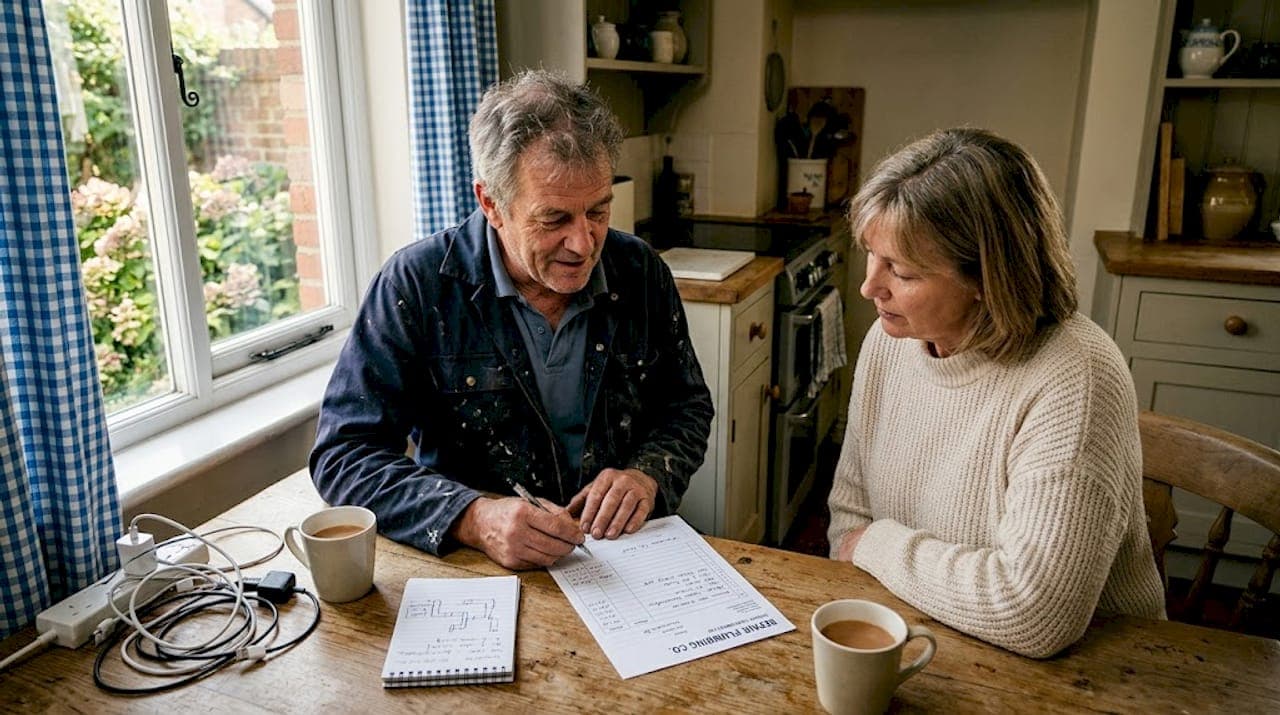
Transparent pricing means you receive a full picture of what you will pay before any work begins. According to the complete definition, this involves showing clear, complete pricing information including all fees upfront so there are no surprises when the invoice arrives. In plumbing, this translates to a written document that lists the scope of work, the cost of labour, the cost of materials, any call-out or service fees, permit responsibility, and payment terms.
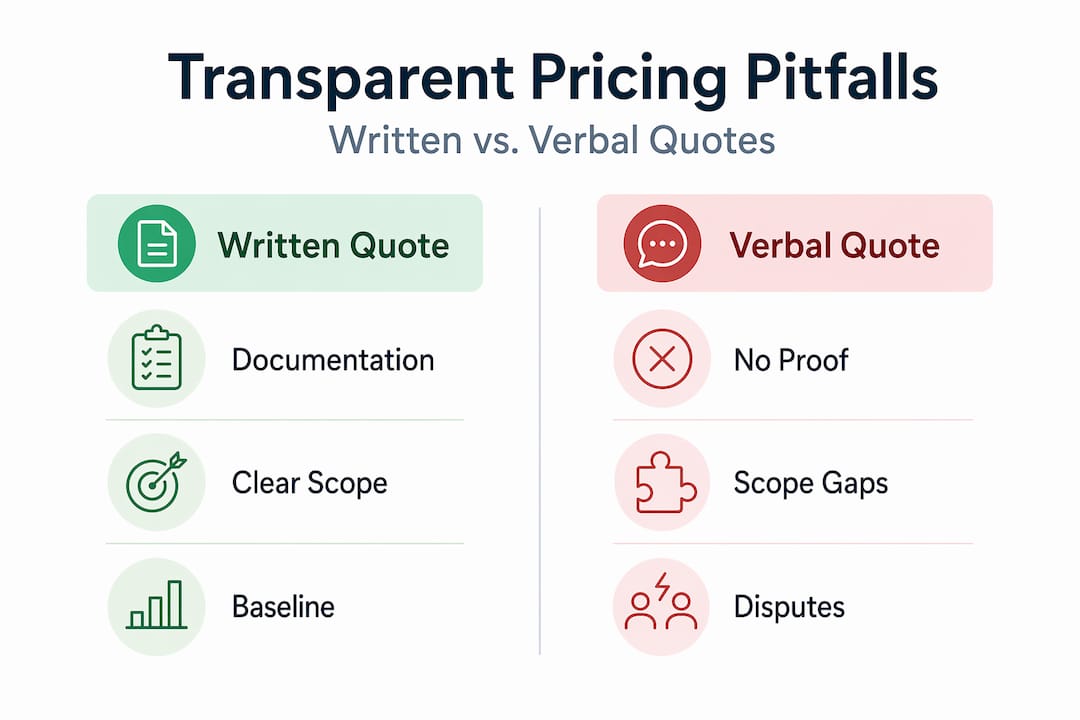
This is meaningfully different from a verbal quote given over the phone. Verbal agreements are difficult to dispute and easy to misremember. A written, itemised estimate covering scope, labour, materials, permits, and licensing helps homeowners control costs and provides a clear basis for any conversation if the final bill differs from expectations.
The industry does distinguish between a binding fixed-price quote and a non-binding estimate. A fixed-price quote commits the plumber to a set total. A non-binding estimate is a best approximation and can shift if conditions change. Knowing which one you have received is not a technicality. It is the difference between genuine price certainty and an open-ended liability.
Key things a transparent quote should include:
- The full scope of work in plain language
- Itemised labour costs with an estimated number of hours
- Materials listed by type, brand where applicable, and unit cost
- Any service call or call-out fee clearly stated
- Who is responsible for permits, and at what cost
- Payment schedule and accepted methods
- The plumber's licence number and public liability insurance details
Pro Tip: Ask specifically whether the quote is binding or an estimate. If the plumber cannot give you a straight answer, that in itself tells you something useful.
Benefits of clear pricing for homeowners
The benefits of clear pricing extend well beyond simply knowing what you will pay. They touch on trust, decision-making speed, and your legal standing as a consumer.
-
Reduced anxiety. Transparent pricing reduces buyer anxiety and increases perceived trustworthiness by up to 50%. When you know what to expect, you can make a calm, informed decision rather than agreeing to work out of panic or social pressure.
-
Real cost control. Line-item breakdowns let you understand exactly where your money is going. If materials account for a disproportionate share, you can ask why. If labour hours seem inflated for the task, you have grounds for a conversation.
-
Easier comparison shopping. Without a detailed written quote, comparing two plumbers is guesswork. With line-item breakdowns, you can see whether one plumber is charging more for materials while offering cheaper labour, or whether one has included permit costs that the other has quietly excluded.
-
Fewer disputes. Disagreements between homeowners and tradespeople almost always stem from misaligned expectations. A detailed written quote removes the ambiguity that causes those disputes.
-
Consumer protection alignment. Regulators are taking this seriously. Proposals from bodies such as the FTC aim to prohibit hidden fees and require full price disclosure before any consent is given. The direction of consumer protection law is firmly toward transparency, which means plumbers who resist it are increasingly out of step with regulatory expectations.
"Homeowners who demand clear quotes before any work starts are not being awkward. They are exercising their right to make an informed financial decision, and any professional plumber should welcome that."
The importance of transparent pricing also shows up in how smoothly a project runs. When everyone agrees on the scope and the cost at the outset, there is no friction mid-job. The plumber can focus on the work, and you can focus on getting it done.
How to evaluate plumbing quotes effectively

Getting a transparent quote is one thing. Knowing how to read and compare it is another. This is where many homeowners lose ground, because they receive three quotes and compare only the bottom-line totals.
A like-for-like comparison requests line items for labour, materials, and permit responsibility separately. This turns a price comparison into a genuinely useful analysis rather than a lottery.
Here is a simple structure for comparing quotes side by side:
| Cost element | Quote A | Quote B | Quote C |
|---|---|---|---|
| Labour (hours x rate) | £240 | £200 | £260 |
| Materials | £85 | £110 | £80 |
| Call-out fee | £60 | £0 | £75 |
| Permit responsibility | Included | Extra | Included |
| Total | £385 | £310 | £415 |
Quote B looks cheapest at first glance. But if permits add £90 and the lower material cost reflects a cheaper brand that will need replacing sooner, Quote A may represent far better value.
Getting three quotes is recommended practice for good reason. Regional price variability of 30 to 40% is common in plumbing, and comparing bids typically saves homeowners 15 to 20%. Those are real numbers worth acting on.
Pro Tip: Ask each plumber to confirm in writing how scope changes will be handled and at what point additional costs require your sign-off. This one question filters out many of the most problematic operators.
Watch for these red flags when reviewing quotes:
- The scope is described in vague terms such as "fix leak" with no detail of location, method, or materials
- The plumber pressures you to decide on the same day
- Payment is requested in cash only, with no receipt offered
- The quote is given verbally and the plumber resists putting it in writing
- Exclusions are buried in small print or mentioned only in passing
For precise quotes, exact scope details covering fixtures, brands, and labour tasks need to be specified in writing to prevent ambiguous add-ons later. Vague scopes are where hidden costs are born.
Common pitfalls in transparent pricing
Even when a plumber makes a genuine effort to be transparent, complications arise. Plumbing often involves unknowns that only become visible once work begins, such as corroded pipes behind a wall or substandard previous work that needs remedying. The question is not whether surprises can happen. It is how they are handled when they do.
Homeowners should treat initial estimates as non-binding unless explicitly stated otherwise, and any price increase above 10 to 20% should require prior written approval before the plumber proceeds. This protects against both genuine surprises and deliberate bait-and-switch tactics.
Key pitfalls to watch for:
- Estimates presented as quotes. If a plumber says "around £400" but does not commit to that figure in writing, you are holding an estimate, not a quote. Treat them differently.
- Scope creep without communication. A legitimate scope expansion involves a conversation and your approval. A plumber who simply does additional work and adds it to the invoice has overstepped.
- Fine print exclusions. Some plumbers issue detailed-looking quotes but bury sweeping exclusions in small text. Read the full document, not just the total.
- Verbal-only agreements. These carry little weight if a dispute arises. Always insist on written confirmation of agreed scope and price.
The importance of transparent pricing lies partly in having a documented baseline. Without it, you have no defence against charges that were never agreed upon.
Steps to take before hiring a plumber
Knowing the theory is useful. Putting it into practice before you hand over money is what actually protects you.
-
Write down your requirements. Before calling anyone, note exactly what needs doing. The more clearly you can describe the problem, the more accurate the quote you will receive.
-
Request written, itemised estimates from at least three plumbers. Verbal figures are not quotes. Ask specifically for a breakdown of labour, materials, call-out fees, and any permit costs.
-
Check licence and insurance details. A transparent quote from an uninsured plumber is still a risk. Confirm both before signing anything.
-
Ask how scope changes are authorised. Establish in writing that no additional work will proceed without your approval and a revised written cost.
-
Keep all communications. Save emails, texts, and quote documents. If a dispute arises, your records are your evidence.
-
Know your rights. Consumer protection legislation in the UK gives you meaningful recourse if a trader misrepresents costs. Reading up on your rights as a consumer before hiring anyone is time well spent.
Pro Tip: Before signing off on work, confirm the total one final time in writing. A simple message saying "Confirming we have agreed the work at £X as per your quote dated [date]" creates a clear paper trail at no cost to you.
The transparent pricing advantages here are cumulative. Each step reduces the risk of a surprise and increases your confidence throughout the project. You are not just saving money. You are buying peace of mind, which has its own real value.
My take on why pricing transparency changes everything
I have watched the same scenario play out more times than I care to count. A homeowner books a plumber based on a rough verbal figure, the job is completed, and the invoice is twice what they expected. The ensuing dispute causes stress on both sides and often ends with the homeowner paying more than they should simply because they feel they have no choice.
In my experience, the single biggest factor in whether a homeowner feels satisfied after a plumbing job is not the quality of the work. It is whether the final cost matched what they expected to pay. Transparent pricing is the mechanism that creates that match.
What I have learned is that opaque pricing rarely protects the plumber either. It generates negative reviews, word-of-mouth warnings, and the kind of reputational damage that takes years to undo. Plumbers who embrace transparent plumbing pricing consistently report better client relationships and fewer payment disputes.
My honest advice: treat pricing transparency as a non-negotiable standard, not a nice-to-have. Any plumber who resists giving you a detailed written quote is telling you something about how they operate. Listen to that signal.
— Michael
Get a clear, upfront quote from Your Local Plumber
At Your-local-plumber, transparent pricing is not a marketing phrase. It is how every job is handled. Before any work begins, you receive a written, itemised quote covering all costs so there are no surprises on the day of completion.

Whether you need an emergency repair or a planned installation, the team at Your Local Plumber gives you the full picture from the very first conversation. No vague verbal estimates. No hidden call-out charges buried in the small print. Just clear, honest pricing from qualified, insured engineers who understand that your peace of mind on costs matters as much as the quality of the work itself. Get in touch today to request your written quote.
FAQ
What does transparent pricing mean in plumbing?
Transparent pricing means receiving a written, itemised quote before work starts that covers all costs including labour, materials, call-out fees, and permit responsibility, with no hidden charges added afterwards.
Why choose transparent pricing over a verbal quote?
A written transparent quote gives you a documented agreement you can refer to if the final bill differs from expectations, providing legal and practical protection that a verbal figure simply cannot offer.
How much can I save by comparing plumbing quotes?
Getting three quotes typically saves homeowners 15 to 20% due to regional price variability of 30 to 40% in plumbing costs.
What should I do if my final plumbing bill exceeds the estimate?
If the increase is more than 10 to 20%, you have grounds to query it. Any price increase should have been communicated and approved by you before the additional work was carried out.
Is a plumbing estimate the same as a fixed quote?
No. An estimate is a non-binding approximation that can change, while a fixed-price quote commits the plumber to a set total. Always confirm in writing which one you have received before agreeing to work.