TL;DR:
- Different plumbing services include emergency, routine, specialist, and installation work.
- Choosing the right service prevents costly delays and home damage.
- Local, transparent, and qualified plumbers offer the best value and safety.
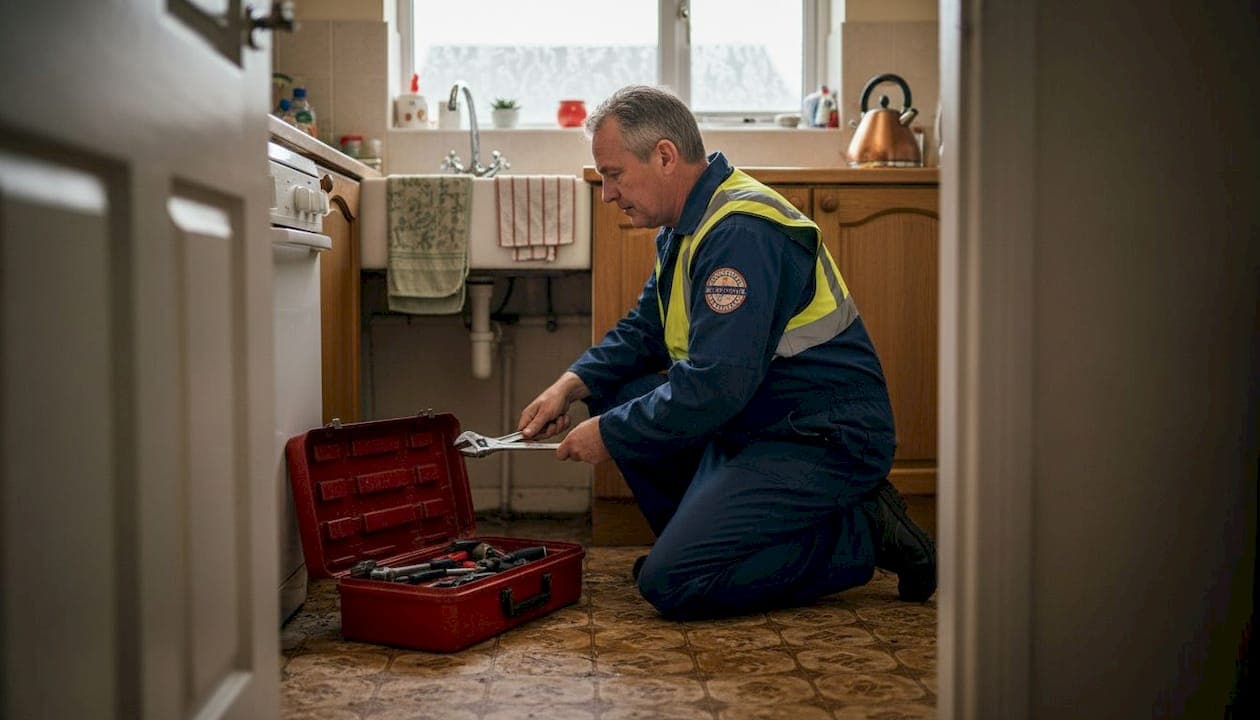
Calling a plumber sounds straightforward until you're standing in a flooded kitchen at 11pm not knowing whether to search for an emergency service or a general repair firm. Many homeowners across Reading, Newbury, and Oxford face exactly this confusion, and it costs them time, money, and unnecessary stress. Choosing the wrong type of plumbing service can mean waiting days for a professional who isn't equipped to help you, or paying emergency rates for a job that could have been scheduled in advance. This guide breaks down the four main categories of plumbing services available to UK households so you always know exactly who to call.
Table of Contents
- Emergency plumbing services
- Routine plumbing repairs and maintenance
- Specialist plumbing services: leak detection and pipework
- Installation services: bathroom, kitchen, and appliance plumbing
- Why the right service match matters more than price
- Discover reliable plumbing services in your area
- Frequently asked questions
Key Takeaways
| Point | Details |
|---|---|
| Identify your service need | Knowing the right plumbing service type saves time and money in urgent and routine situations. |
| Preventative care matters | Regular maintenance and routine checks help prevent costly emergencies later. |
| Specialists solve complex issues | Call a specialist for leak detection, pipework, or water pressure problems for best results. |
| Installations need experts | Professional plumbers ensure kitchen and bathroom fitting meets standards and local regulations. |
Emergency plumbing services
Now that you understand why distinguishing plumbing services matters, let's break down the first and often most critical type: emergency plumbing.
Not every plumbing problem is an emergency, but some absolutely are. Knowing the difference can protect your home from serious structural damage and spiralling repair costs. Emergency plumbing explained covers the full picture, but in brief, the following situations demand an immediate callout:
- Burst or frozen pipes causing active water flow
- Sudden loss of water supply to the entire property
- Severe toilet blockages that cannot be cleared manually
- Gas-related water heating failures in winter
- Flooding from a leaking appliance or fitting
Most emergency plumbers in the UK aim to arrive within one to four hours. That window matters enormously because rapid response in emergencies protects homes from extensive water damage that can saturate walls, floors, and joists. Water damage spreads faster than most people expect. A slow response of even a few hours can turn a contained burst pipe into a full-scale renovation project.
Local coverage is a significant factor. Firms serving Reading, Newbury, and Oxford can often respond faster than national call centres because their engineers are genuinely nearby. When you ring a plumber, always confirm their typical response time and ask whether the engineer will be local to your area. Citizens Advice offers useful guidance on choosing a plumber to help you verify credentials quickly in a stressful moment.
If you're in the Reading area specifically, the emergency plumbing essentials resource outlines what local homeowners should prepare in advance.
"The most effective thing a homeowner can do before a plumber arrives is locate their stopcock and turn off the water supply. It takes 10 seconds and can prevent thousands of pounds of damage."
Pro Tip: Keep a note of your stopcock location and your plumber's emergency number saved in your phone. In a real emergency, searching online for that information costs precious minutes.
Routine plumbing repairs and maintenance
While emergencies demand immediate attention, most homeowners spend more time dealing with everyday plumbing issues. Here's what to know about standard repairs.
Routine plumbing covers the bread-and-butter jobs that keep your system running reliably day to day. These aren't crises, but ignoring them long enough turns them into one. Common routine repairs include:
- Dripping or stiff taps
- Running or weak-flushing toilets
- Minor pipe leaks under sinks or behind panels
- Slow-draining baths and basins
- Rattling or banging pipework (known as water hammer)
A plumbing maintenance checklist is a smart starting point for homeowners who want to stay ahead of these issues. Proactive plumbing maintenance can extend the lifespan of your system, which means fewer replacement costs and a more reliable home. A single dripping tap wastes over 5,000 litres of water per year, so the environmental and financial case for prompt repairs is strong.
Here's a simple order of priority for scheduling routine plumbing work:
- Fix active drips and leaks first, as these cause ongoing damage
- Address toilet flushing problems to avoid water waste
- Clear slow drains before they become full blockages
- Service any ageing stopcock valves that may be stiff or corroded
- Check exposed pipework annually for signs of corrosion or scale
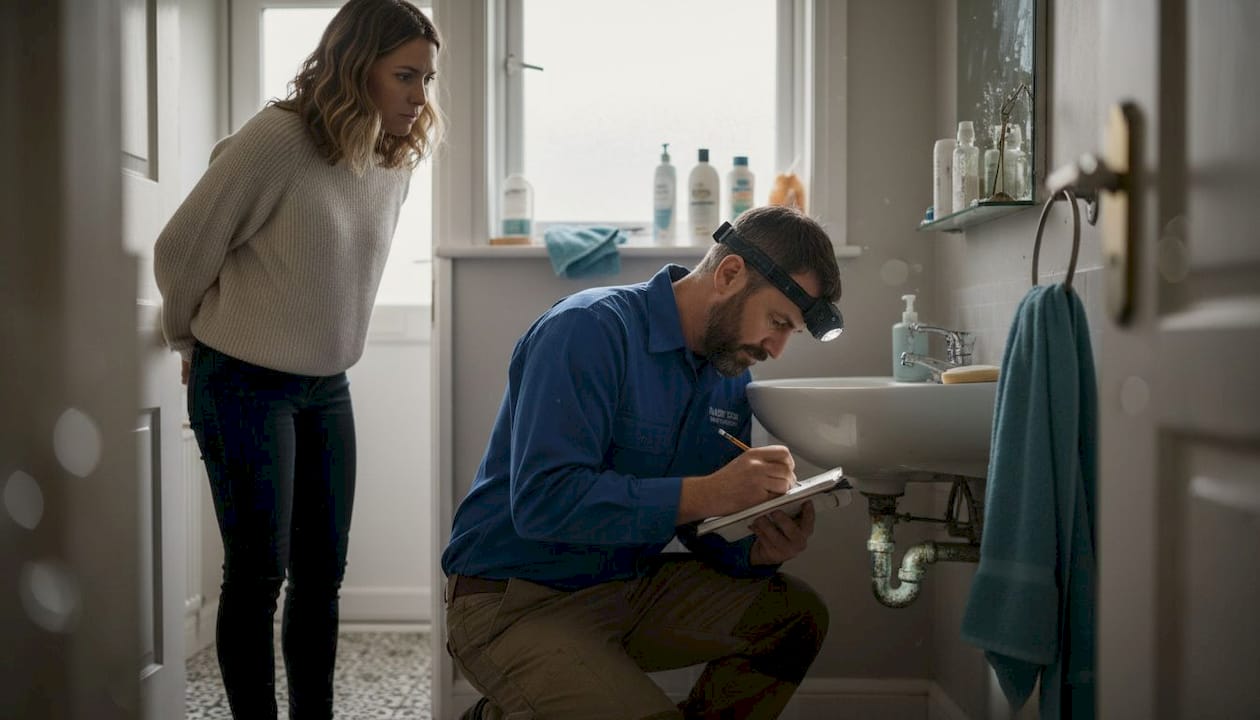
Signs that maintenance is overdue include water stains on ceilings, musty smells near pipework, unexpectedly high water bills, or reduced pressure from multiple taps simultaneously. Any one of these is a signal worth acting on promptly.
For help understanding what fair pricing looks like for these jobs, plumbing pricing transparency explains how reputable firms structure their rates. Checkatrade also publishes a thorough plumbing checklist that covers seasonal checks worth completing each year.
Pro Tip: Book routine repairs during mid-week, off-peak slots if possible. Many plumbing firms charge lower call-out rates on Tuesday to Thursday mornings compared to weekend or evening visits.
Specialist plumbing services: leak detection and pipework
Besides routine work, plumbing firms offer specialist services that require advanced training and equipment. Leak detection is a prime example.
Some plumbing problems are invisible to the naked eye. A leak buried inside a wall cavity or beneath a concrete floor won't show itself until it has already caused serious damage. This is where specialist plumbing services step in, using equipment and methods that go well beyond a standard repair visit.
Modern leak detection uses advanced technology to prevent major home damage, including acoustic listening devices, thermal imaging cameras, and tracer gas systems. These tools allow engineers to pinpoint a leak's exact location without opening up walls unnecessarily. That precision saves significant money on both repair time and redecoration.
| Feature | Standard repair visit | Advanced leak detection |
|---|---|---|
| Tools used | Basic hand tools | Acoustic devices, thermal cameras |
| Leak visibility | Surface or visible only | Hidden, underground, within walls |
| Disruption to property | Low to moderate | Minimal with targeted access |
| Suitable for | Dripping taps, exposed leaks | Concealed pipe failures, slab leaks |
| Typical duration | 30 to 90 minutes | 1 to 3 hours |
Other specialist services include full pipe replacement (repiping), water pressure diagnosis, mains water connection work, and unblocking deep drain systems. These are not jobs for a general handyman. They require the role of a plumber to be fully qualified and ideally registered with a recognised body.
You should contact a specialist rather than a general plumber when:
- Your water bill has increased significantly with no clear explanation
- You notice damp patches on walls or floors without an obvious source
- Water pressure throughout the home has dropped noticeably
- A standard plumber has been unable to locate the source of a problem
Water UK provides practical advice on finding and fixing leaks that helps homeowners distinguish between a supplier-side issue and an internal one.
Installation services: bathroom, kitchen, and appliance plumbing
Finally, let's look at installation. Many plumbing jobs require professional fitting for safety, compliance, and peace of mind.
Fitting a new bathroom, installing a kitchen sink, or connecting a washing machine all fall under installation plumbing. These jobs might seem simple, but cutting corners here creates lasting problems including leaks, pressure failures, and potential breaches of building regulations. Plumbers ensure new installations are compliant with UK regulations and water safety standards, which matters particularly when selling a property or making an insurance claim.
| Task | DIY approach | Professional installation |
|---|---|---|
| Washing machine connection | Possible but risky | Guaranteed correct fittings |
| Bathroom suite fitting | Complex, high error risk | Fully compliant and tested |
| Kitchen tap replacement | Manageable for basic taps | Recommended for under-sink work |
| Toilet installation | Often attempted by homeowners | Ensures correct soil stack connection |
| Shower system fitting | High risk of pressure issues | Pressure-balanced and code compliant |
The risks of unqualified installation work include water damage from poorly secured fittings, voided appliance warranties, and failed building control inspections. In rented properties, poorly installed plumbing can create legal liability for landlords.
Benefits of using a certified professional include:
- Work that meets UK Water Supply (Water Fittings) Regulations 1999
- Written guarantees on parts and labour
- Insurance-backed workmanship in many cases
- Correct commissioning and testing before handover
WaterSafe offers clear guidance on choosing a reputable installer and lists approved contractors across the UK. For homeowners in areas like Tilehurst, the plumbers in Tilehurst resource highlights what qualified local installation looks like in practice.
Why the right service match matters more than price
Having detailed the key types of plumbing services, it's worth questioning how to make your final decision. Price is always tempting as the deciding factor. It feels logical. But in plumbing, choosing a service that doesn't match your actual problem creates a cycle of repeat callouts and compounding costs.
An emergency plumber called out for a routine dripping tap will charge emergency rates for a job that could have cost half the price booked in advance. Conversely, scheduling a standard repair appointment for a burst pipe wastes time your home cannot afford to lose. The mismatch is expensive both ways.
We've seen homeowners pay for three separate visits from different tradespeople because the first two weren't qualified for the specific issue. A specialist leak detection engineer found the problem in under two hours. Total cost of the wrong choices: significantly more than the specialist's single visit.
Transparency and local reputation are better selection criteria than price alone. A plumber with clear, published rates, verified reviews, and a local base is almost always better value across the lifetime of the job. Fair plumbing pricing should be visible before you book, not revealed on the invoice.
Discover reliable plumbing services in your area
Ready to act? Here's how you can secure the right plumber in your area today.
Whether you need an urgent fix or a planned installation, Your Local Plumber makes it straightforward to get the right professional to your door. All engineers are vetted, qualified, and cover Reading, Newbury, Oxford, and the surrounding areas.

You can book plumbing services online in minutes, selecting the type of job that matches your situation precisely. For urgent situations, the emergency plumber response service connects you quickly with an engineer who is genuinely local. Prefer to browse first? The online booking portal lets you explore all available services and choose a time that suits you.
Frequently asked questions
How do I know if my plumbing problem is an emergency?
Major water leaks, burst pipes, or any issue causing flooding or no water should be treated as an emergency. Emergencies include burst pipes and major leaks that cannot be stopped by turning off the stopcock.
What routine plumbing maintenance should I schedule annually?
Annual checks should include inspecting taps, toilets, visible pipework, and ensuring there are no slow leaks. Annual checks target common trouble spots like taps and toilets before they develop into costly problems.
When do I need a specialist plumber instead of a general one?
You need a specialist for leak detection, full pipe replacements, or low water pressure diagnosis. Specialists handle complex issues like concealed leaks and repiping that general tools simply cannot locate or resolve.
Are professional installations really necessary for new kitchens or bathrooms?
Yes, professionals ensure installations meet UK standards and prevent leaks or other hazards. Professional installations ensure compliance and safety, which protects your home, your warranty, and your insurance cover.