TL;DR:
- Regular maintenance and early detection can significantly reduce plumbing repair costs.
- Proper planning and bundling professional jobs save homeowners money on callout fees.
- Adopting preventative habits and consulting local plumbers promotes long-term plumbing health.
Plumbing bills have a nasty habit of arriving at the worst possible moment. For Reading homeowners, a single emergency callout can cost hundreds of pounds before a single pipe is touched. The good news is that most costly plumbing problems do not happen overnight. They build slowly, through neglected maintenance, poor habits, and missed warning signs. This guide shares ten proven, practical strategies to reduce your plumbing expenses without cutting corners on safety or quality. From simple daily habits to smarter ways of booking professional help, these methods are designed to give you control over your costs before problems spiral.
Table of Contents
- Evaluate plumbing repair and maintenance options
- Adopt everyday habits to prevent plumbing issues
- Plan and bundle plumbing jobs for better value
- Smart decisions when away from home
- The overlooked ingredient: mindset and planning outshine quick fixes
- Connect with local experts for peace of mind
- Frequently asked questions
Key Takeaways
| Point | Details |
|---|---|
| DIY safely | Tackle small tasks yourself, but always avoid harsh chemical treatments. |
| Prevention pays off | Daily habits such as strainer use and proper disposal help prevent costly repairs. |
| Bundle and plan | Combining plumbing jobs and scheduling wisely cuts both travel and labour costs. |
| Prep for holidays | Test shutoff valves and turn off the main water supply before trips away. |
| Think long-term | Mindful maintenance and working with experts yield the biggest savings over time. |
Evaluate plumbing repair and maintenance options
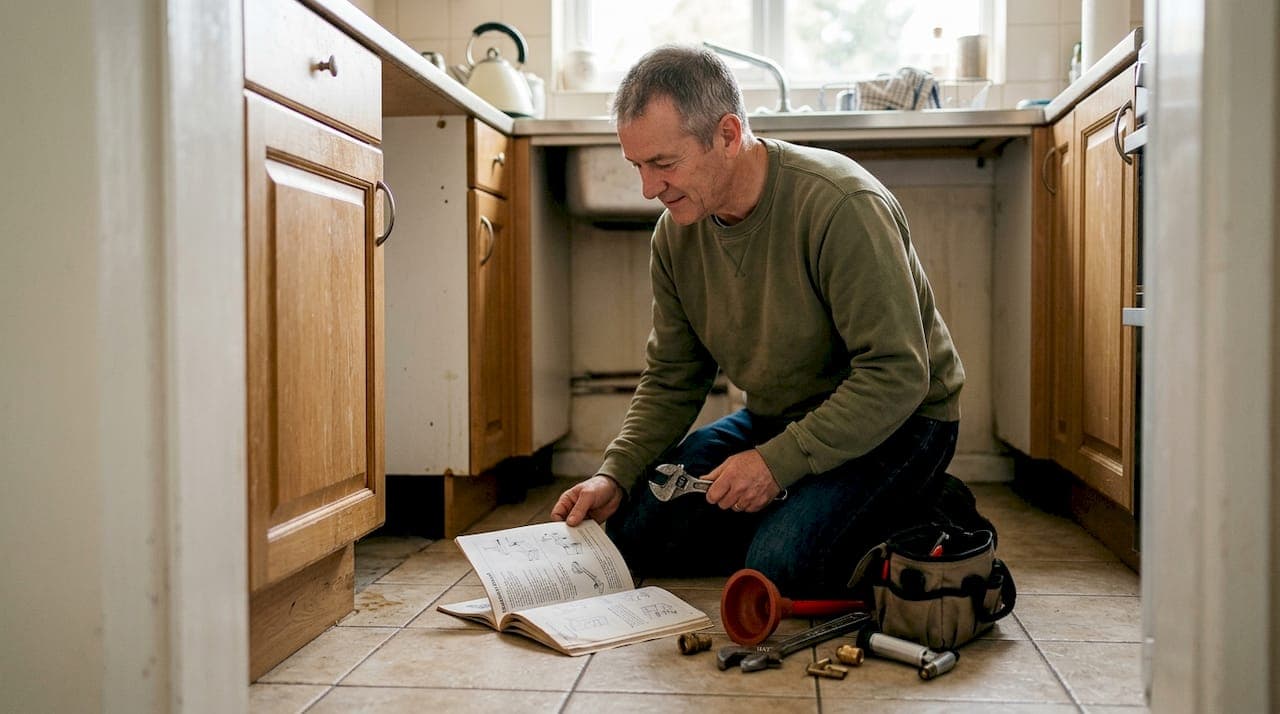
Understanding which jobs you can tackle yourself and which require a professional is the single most important cost decision you will make as a homeowner. Get this wrong in either direction and you pay for it. Do too little yourself and you overspend on callouts. Overreach your skills and a minor issue becomes a major repair.
Fortunately, there are plenty of maintenance tasks that any reasonably capable homeowner in Reading can handle. Checking taps and pipes for visible drips, wrapping exposed pipes with insulation foam before winter, and keeping drains clear are all within reach. These tasks take minutes but prevent expensive emergencies. Use this maintenance checklist to build a regular routine.
Basic tasks most homeowners can manage:
- Checking under sinks for slow drips or damp patches
- Cleaning shower heads by soaking them in white vinegar
- Fitting drain screens to catch hair and debris
- Insulating pipes in unheated spaces such as lofts and garages
- Flushing water heaters annually to remove sediment buildup
Knowing when to stop is equally important. Anything involving gas, structural pipework, or hidden leaks inside walls needs a qualified engineer. A wrong move with a pressure valve or mains supply line is not just expensive. It is dangerous.
One tempting shortcut that causes long-term damage is chemical drain cleaner. Chemical drain cleaners corrode pipes over time and are far less effective than a decent plunger or drain snake. Enzymatic cleaners are a far safer option for regular use, breaking down organic matter without attacking your pipework. For clog-free plumbing tips that protect your pipes, natural methods work better and cost less.
| Tool | Cost (approx.) | Best use |
|---|---|---|
| Cup plunger | £5 to £10 | Blocked sinks and baths |
| Drain snake | £15 to £40 | Deeper blockages |
| Enzymatic cleaner | £8 to £15 | Monthly maintenance |
| Pipe insulation foam | £3 to £8 per metre | Frost prevention |
Pro Tip: Once a year, locate your whole-house water shutoff valve and turn it fully off and back on again. This simple test confirms it still works correctly, so you are never caught off guard during a genuine emergency. Keep the details from your emergency plumbing essentials guide to hand.
Adopt everyday habits to prevent plumbing issues
Maintenance tasks matter, but your daily behaviour has just as much influence on your long-term plumbing costs. Small, consistent habits compound over time. They reduce blockages, extend the life of your pipework, and lower the frequency of callouts significantly.
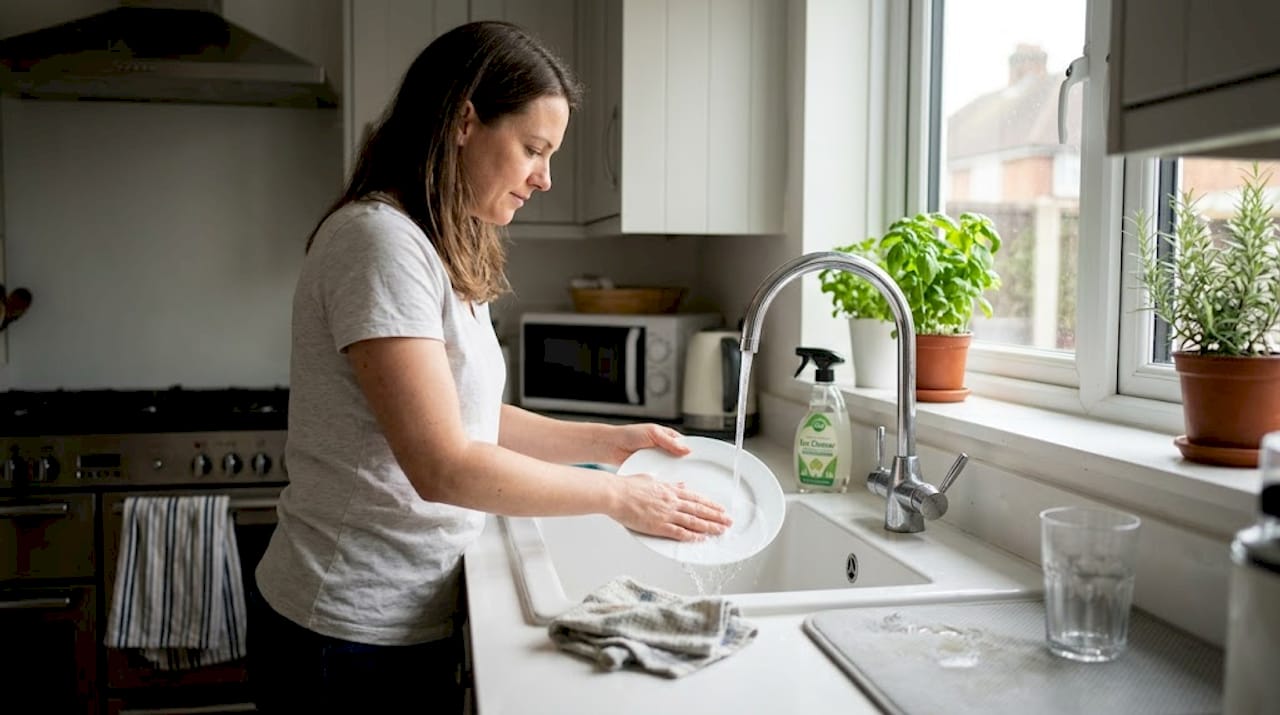
The most damaging things that go down household drains are also the most common. Cooking grease, wet wipes, and hair are the leading causes of serious blockages in UK homes. Avoiding grease, wipes, and hair in your drains directly reduces repair costs and the need for professional intervention. These three items alone account for a significant proportion of blocked drain callouts across Reading every year.
Simple daily habits that protect your plumbing:
- Use drain screens in baths, showers, and kitchen sinks
- Pour cooled cooking fat into a sealed container and bin it, never down the sink
- Run hot water for thirty seconds after each use of the kitchen sink
- Flush only toilet paper, nothing else, regardless of what the packet claims
- Wipe greasy pans with kitchen roll before washing
- Check for safe clogged drain fixes before reaching for chemicals
Small preventative habits cost virtually nothing to adopt but can save Reading homeowners hundreds of pounds a year in avoided repairs, cleared blockages, and emergency callout fees.
Spotting early warning signs is equally valuable. A drain that runs slowly is telling you something. So is a boiler that takes longer than usual to heat water, or a tap that drips when fully closed. These are not minor annoyances. They are the early stages of a larger problem.
The smartest thing you can do is book a plumbing inspection guide to understand the full picture of your home's plumbing health. Acting early on a slow drain costs almost nothing. Ignoring it until it backs up into your kitchen costs considerably more.
Plan and bundle plumbing jobs for better value
Effective everyday habits are key, but there is further opportunity to save if you strategically plan professional work. The way you book and organise plumbing visits has a direct impact on your overall costs. Most homeowners do not realise how much they can save simply by being more organised.
Every professional callout comes with a minimum charge. Whether a plumber spends twenty minutes or two hours on site, you will typically pay for the first hour regardless. Bundling jobs avoids multiple trip fees and makes far better use of the time you are already paying for. One visit to replace a tap, service your boiler, and check your stopcock costs far less than three separate bookings.
| Scenario | Estimated cost |
|---|---|
| Three separate callouts | £180 to £270 |
| All three tasks in one visit | £110 to £160 |
| Potential saving | £70 to £110 |
How to organise plumbing work effectively:
- Keep a running list of small jobs and observations throughout the year
- Book off-peak appointments, typically mid-week mornings in winter, for better rates
- Share your full list with the plumber when booking so they can allocate enough time
- Ask about transparent plumbing pricing before confirming any booking
- Request a written quote for larger jobs so there are no surprises on completion
Pro Tip: When speaking with a plumber, be clear about everything you want assessed, not just the obvious fault. Ask what else they notice while on site. A good engineer will flag potential problems at no extra charge, saving you from a future emergency.
Building a good working relationship with a reliable local plumber pays dividends. They get to know your property, its quirks, and its age. That familiarity reduces diagnosis time and improves the accuracy of quotes. Review the questions for your plumber to make every visit as productive as possible.
Smart decisions when away from home
Even with careful planning at home, many costly problems arise unexpectedly while homeowners are away. A slow drip left unattended for a fortnight can cause thousands of pounds worth of water damage. The steps you take before leaving home are some of the most cost-effective actions you can take all year.
Pre-holiday plumbing checklist:
- Turn off the main water supply if you are away for more than two or three days
- Check all exposed pipework for small drips or damp patches before leaving
- Ask a trusted neighbour or friend to check the property regularly
- Set your heating to frost protection mode in colder months to prevent frozen pipes
- Drain garden hosepipes and outdoor taps before a prolonged absence in winter
Turning off the main water when away is the single most effective step against catastrophic leaks. Annual testing of shutoff valves ensures they actually close fully when needed. Many homeowners discover their valve is stiff or ineffective only during an emergency, which is precisely the worst time to find out.
Statistic: A burst pipe left undetected for 24 hours can release over 1,000 litres of water, causing damage that costs an average of £8,000 to £12,000 to put right. Turning off your stopcock before a holiday costs nothing.
Your home insurance policy may also be affected by plumbing failures during absence. Many policies require you to take reasonable precautions, and failing to do so can affect a claim. Familiarise yourself with your policy terms and, if needed, seek advice from your emergency plumber preparation resources before travelling.
For older properties, knowing the condition of your pipes before you leave is especially important. Guidance on safe pipe replacements is worth reviewing if your home has pipework that is overdue for attention.
The overlooked ingredient: mindset and planning outshine quick fixes
With all the strategies above, it is worth stepping back to consider what actually drives the biggest savings. Most plumbing guides focus on tactics. This one does too. But the honest truth is that the homeowners who spend least on plumbing over a ten or twenty year period are not the ones who found the cheapest tradesperson. They are the ones who watched their home closely and acted early.
A prevention-first mindset is not glamorous, but it is remarkably effective. A dripping tap ignored for six months wastes thousands of litres and strains the fitting further. A slow drain dismissed as a minor nuisance becomes a blocked sewer line. The cost difference between early action and delayed response is rarely small.
The contrarian view we would offer here is this: chasing the cheapest repair is often the most expensive long-term strategy. If a symptom keeps returning, the cheap fix is not fixing it. Spend a little more to diagnose the root cause properly and you will avoid paying for the same problem twice or three times over.
Building a simple log of your plumbing work, observations, and service dates takes five minutes a year but gives you invaluable context when something goes wrong. Pair that habit with insight from an expert plumber and you have a genuinely robust approach to home plumbing management.
Connect with local experts for peace of mind
Everything in this guide becomes easier when you have a reliable local plumber who knows your property and your priorities. Preventing small issues from escalating is far simpler with a trusted professional in your corner, someone who can spot what you might miss during a routine visit.
At Your Local Plumber, we work with Reading homeowners to deliver fast, honest, and fairly priced plumbing support across the full range of home needs. Whether you need a bundled maintenance visit or a rapid response to an unexpected problem, we are ready to help. Browse our project gallery to see the work we have completed for homeowners across the region. If you are based in a neighbouring area, our local plumber in Swindon service is also available to support you with the same reliable standard of care.
Frequently asked questions
What is the cheapest way to clear a clogged drain safely?
Use a plunger or drain snake for minor blockages. Chemical cleaners corrode pipework over time, so enzymatic or natural alternatives are far safer and nearly as effective for everyday use.
How often should plumbing be inspected to prevent costly repairs?
A professional inspection every two years is a sensible baseline, combined with your own annual checks of visible pipework, shutoff valves, and any areas prone to damp.
How do I avoid callout fees for minor plumbing jobs?
Bundling multiple tasks into a single visit and booking during off-peak periods such as mid-week mornings reduces both trip charges and labour costs significantly.
What should I do to prevent plumbing leaks while on holiday?
Turn off the main water supply before leaving, close all taps fully, and arrange for someone to check the property every few days while you are away.