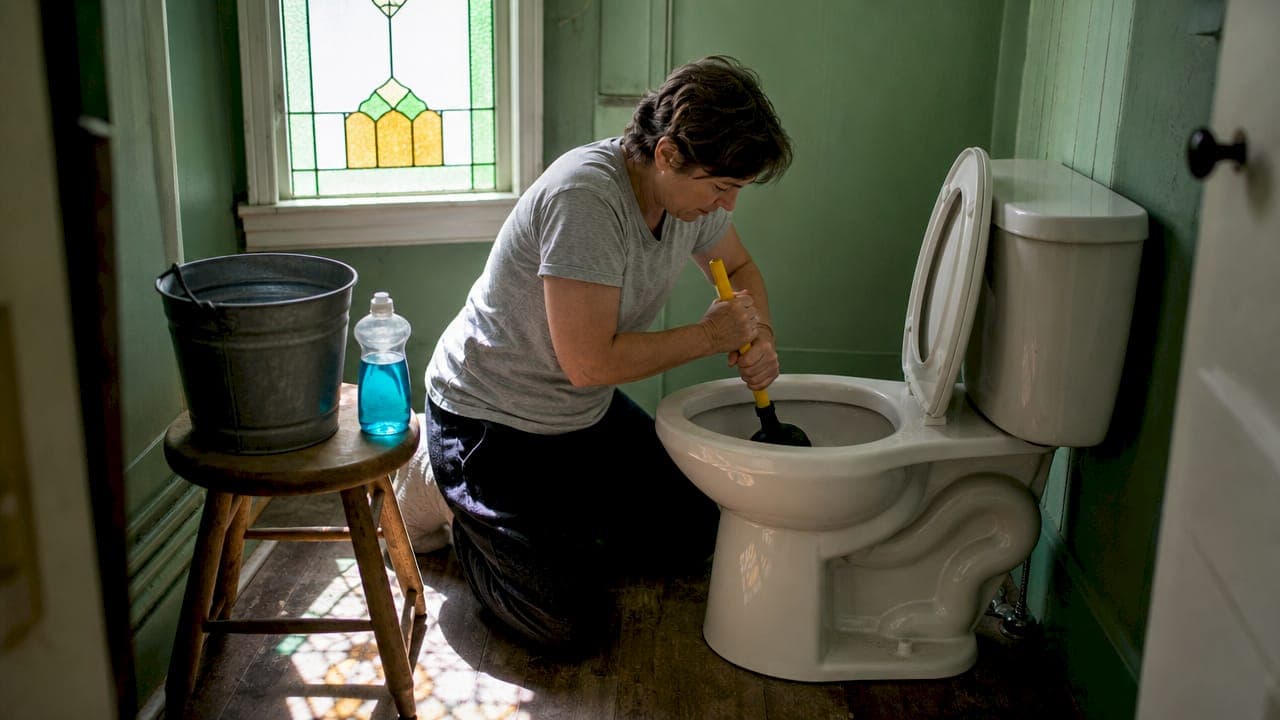
TL;DR:
- Unclogging a toilet with human waste often involves simple tools like a flange plunger, dish soap, hot tap water, and patience. Proper technique and timing are crucial, and chemical cleaners should be avoided to prevent damage and hazards. If multiple attempts fail or other fixtures are affected, professional plumbing help is necessary.
Unclogging a toilet blocked with human waste is a problem most households face at some point, and the fix is almost always within reach using items you already own. The technical term plumbers use is a "solid organic blockage," and the good news is that this type of clog responds well to targeted methods like dish soap lubrication, hot tap water, and correct plunger technique. Brands like Fairy washing-up liquid work just as effectively as specialist products. Knowing what to do, in the right order, is what separates a five-minute fix from a flooded bathroom floor.
What tools do you need to unclog a toilet clogged with poop?
Gathering the right equipment before you start saves time and reduces the risk of making the blockage worse. The items below cover the vast majority of solid organic clogs without requiring a plumber.
Core equipment:
- Flange plunger. A flange plunger creates a tighter seal inside the toilet drain than a flat cup plunger, which is designed for sinks. The extended rubber lip fits snugly into the toilet outlet, giving you the suction needed to shift a solid blockage.
- Rubber gloves. Thick, elbow-length gloves are far preferable to standard washing-up gloves. Contaminated splash-back is a real risk, and longer gloves protect your forearms.
- Dish soap. Fairy, Ecover, or any standard washing-up liquid will do. You need between a quarter and half a cup.
- Bucket. Useful for removing excess water from the bowl before plunging, and for carrying hot water from the tap.
- Toilet auger. Also called a closet auger or drain snake, this is a flexible cable tool that reaches around the toilet's internal trap to break up or retrieve stubborn blockages. You can buy one from B&Q or Screwfix for under £20.
Plunger comparison:
| Plunger type | Best use | Seal quality |
|---|---|---|
| Flange plunger | Toilets | Excellent |
| Flat cup plunger | Sinks and baths | Poor for toilets |
| Accordion plunger | Toilets (heavy duty) | Very good |
Pro Tip: Warm your flange plunger in hot water for 60 seconds before use. A warm, pliable rubber cup moulds to the drain opening more effectively than a cold, stiff one.
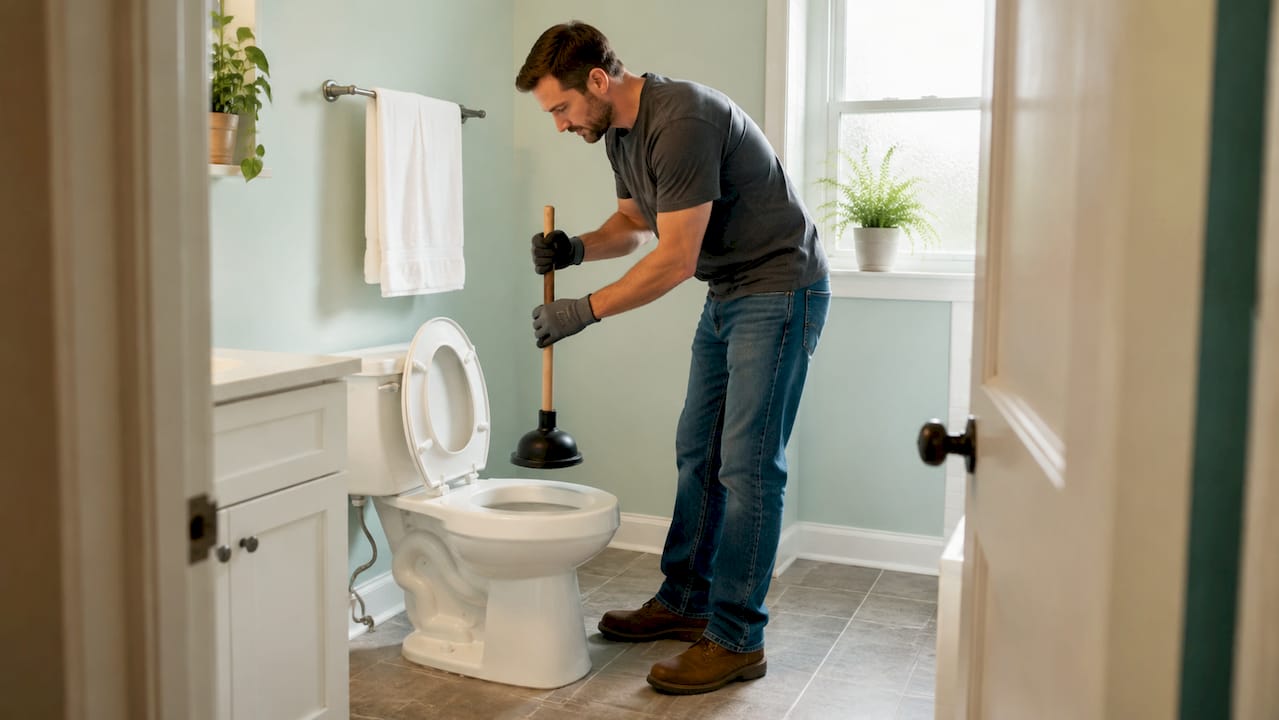
One safety point worth stating clearly: boiling water risks cracking porcelain. Stick to hot tap water throughout. Similarly, avoid bleach-based or chemical drain cleaners. They can damage porcelain and pipe seals and produce hazardous fumes in an enclosed bathroom.
How to unclog a toilet with poop: step-by-step
Follow these steps in order. Skipping ahead, particularly the waiting time in step two, is the most common reason DIY attempts fail.
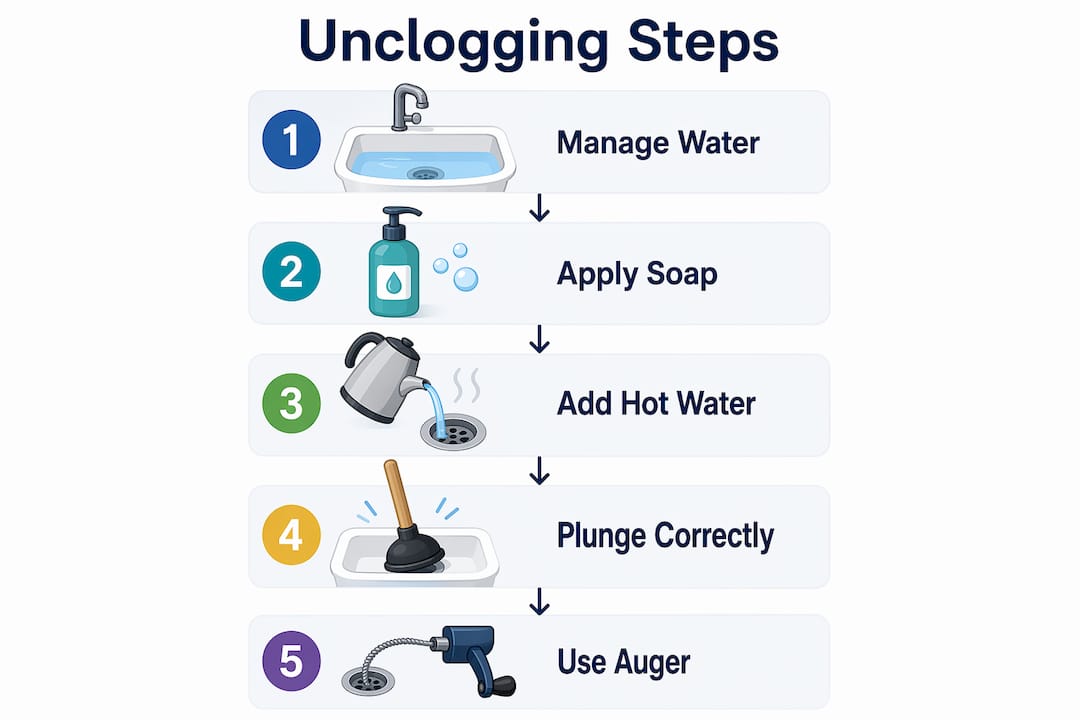
Step 1: Manage the water level
Check whether the bowl is close to overflowing. If it is, bail out excess water using a bucket until the level sits roughly halfway up the bowl. This does two things: it prevents overflow when you add more liquid, and it improves the plunger's air seal. Do not flush again at this stage.
Step 2: Apply dish soap
Pour a quarter to half a cup of washing-up liquid directly into the bowl. Fairy is a reliable choice, but any dish soap works. The soap acts as a lubricant, coating the waste and the pipe walls to help the blockage slide through. Allow it to sink to the bottom of the bowl for at least five minutes before moving to step three.
Step 3: Add hot tap water
Fill your bucket with the hottest water your tap produces. Pour it into the bowl from roughly waist height. The height creates a small amount of pressure that helps push the soap and water down into the blockage. The hot water and dish soap method resolves around 70% of organic clogs when given 20 to 30 minutes to work. Set a timer and wait. This is the step most people rush, and it is the one that matters most.
Step 4: Plunge with correct technique
Place the flange plunger over the drain opening so the rubber lip seats fully inside the outlet. Push down slowly to expel air, then use long, steady, controlled strokes. Gentle, steady plunging outperforms aggressive, jerking motions, which break the vacuum seal and risk cracking the porcelain. Aim for 15 to 20 strokes, then pull the plunger away sharply to create a final suction burst. Repeat two or three times if needed.
Pro Tip: Cover the overflow hole at the back of the bowl with a damp cloth held by a second person if you have one. This maintains pressure in the drain and makes each plunging stroke more effective.
Step 5: Use a toilet auger for persistent blockages
If plunging has not cleared the blockage after three rounds, feed a toilet auger into the drain. Rotate the handle clockwise as you push the cable forward. When you feel resistance, continue rotating to either break up the blockage or hook it so you can pull it back out. Withdraw the cable slowly and dispose of any retrieved material hygienically.
Common errors to avoid during this process:
- Flushing repeatedly when the bowl is already full
- Using a flat cup plunger instead of a flange plunger
- Pouring boiling water directly into the bowl
- Giving up after one round of plunging before the soap has had time to work
What home remedies work when plunging fails?
Some blockages resist plunging, particularly if the waste has compacted or if there is a partial obstruction further down the pipe. These methods address stubborn clogs without reaching for chemical cleaners.
Baking soda and white vinegar
Pour one cup of bicarbonate of soda into the bowl, followed by one cup of white vinegar. The reaction produces carbon dioxide, which creates fizzing pressure inside the drain. Leave it for 30 minutes, then follow with a bucket of hot tap water. This method works best on partially softened blockages rather than fully solid ones.
Enzyme-based cleaners
Products like Bio-D or similar enzyme drain treatments digest organic waste gradually. Enzyme cleaners work best when left overnight, making them ideal if you have a second toilet available. They are safe for pipes and septic systems, and they leave no chemical residue.
Wire coat hanger drain snake
Unwind a wire coat hanger and wrap one end in a cloth secured with tape to protect the porcelain. Feed the wrapped end into the drain and rotate gently to break up or dislodge the blockage. This is a short-reach tool, effective only for clogs sitting just inside the trap.
Home remedy comparison:
| Method | Best for | Wait time |
|---|---|---|
| Dish soap and hot water | Fresh organic clogs | 20 to 30 minutes |
| Bicarbonate of soda and vinegar | Partially softened blockages | 30 minutes |
| Enzyme cleaner | Stubborn organic waste | Overnight |
| Wire coat hanger | Shallow trap blockages | Immediate |
For broader DIY guidance on blocked drain fixes, the Your-local-plumber blog covers additional techniques suited to different household situations. It is also worth reviewing common plumbing myths before attempting any home remedy, as several widely shared tips can cause more harm than good.
Common mistakes to avoid and when to call a plumber
Most DIY unclogging failures come down to a handful of repeated errors. Recognising them early saves you time and protects your plumbing.
"The primary cause of toilet clogs is flushing non-breakdown items or excessive toilet paper." Plumber Robert Schwachenwald, as cited by The Spruce, confirms that prevention is far simpler than the cure.
Mistakes that make blockages worse:
- Flushing repeatedly. Each flush adds water to an already full bowl and risks overflow. Stop flushing the moment you notice a blockage.
- Using boiling water. Water above 60°C can crack the porcelain bowl. Hot tap water is sufficient and safe.
- Reaching for chemical cleaners. Products like Domestos or Mr Muscle drain unblocker are formulated for sink and shower drains, not toilets. They corrode rubber seals and can damage the internal glaze of the bowl.
- Aggressive plunging. Short, sharp, jerky strokes break the vacuum seal and are less effective than slow, controlled pumping. They also increase the risk of contaminated splash-back.
- Ignoring multiple blocked fixtures. If your toilet, bath, and sink are all draining slowly at the same time, the problem is not in the toilet trap. It is in the main drain or sewer line, and no amount of plunging will resolve it.
Signs you need a professional plumber:
Call a plumber when the blockage does not clear after two full rounds of soap, hot water, and plunging. You should also seek professional help if water backs up into other fixtures, if you hear gurgling from nearby drains, or if the toilet has been slow to flush for several weeks before the full blockage occurred. These are indicators of a deeper drainage issue that requires professional equipment such as a CCTV drain survey or high-pressure water jetting. For guidance on managing water levels safely before a plumber arrives, the toilet draining guide from Your-local-plumber is a practical reference.
Key takeaways
Clearing a toilet blocked with human waste requires the right tools, correct technique, and enough patience to let soap and hot water do their work before you reach for the plunger.
| Point | Details |
|---|---|
| Use a flange plunger | A flange plunger seals the toilet drain far more effectively than a flat cup plunger. |
| Dish soap and hot water first | This method clears around 70% of organic clogs when given 20 to 30 minutes to work. |
| Never use boiling water | Water above 60°C risks cracking the porcelain bowl; hot tap water is both safe and effective. |
| Avoid chemical drain cleaners | Chemical products corrode rubber seals and can damage porcelain; use mechanical methods instead. |
| Know when to stop DIY | Multiple blocked fixtures or recurring slow drainage signals a deeper issue requiring a professional. |
What I have learned from years of toilet blockage calls
By Michael
After years of responding to plumbing call-outs, I can tell you that the most common thing I find when I arrive at a toilet blockage is a bowl full of bleach and a frustrated homeowner who has been flushing repeatedly for an hour. Both make the job harder.
The dish soap method genuinely works, and it works better than most people expect, but only if you give it time. Twenty minutes feels like a long time when you are standing in a bathroom with a blocked toilet. Most people give it three minutes and then start plunging. That is why it fails for them.
The other thing I see constantly is the wrong plunger. A flat red cup plunger is almost useless in a toilet. If you only buy one piece of plumbing kit for your home, make it a flange plunger. Keep it under the sink, and you will use it maybe once every few years. Not having one when you need it is an expensive lesson.
Recurring blockages are the real warning sign. A one-off clog after a heavy flush is normal. A toilet that blocks every few weeks, or one where you notice slow drainage between incidents, is telling you something about the condition of your pipes or what is being flushed. Checking your plumbing maintenance habits once a year prevents the majority of emergency call-outs I attend. The fix is rarely dramatic. It is usually just consistency.
— Michael
When DIY is not enough: get professional help fast
If you have worked through the steps above and the blockage is still holding, it is time to bring in a professional. Your-local-plumber provides fast-response toilet and drain unblocking across local areas, with experienced engineers who carry the right equipment to clear even the most stubborn blockages without damaging your toilet or pipework. There is no guesswork, no repeat visits, and no hidden charges. You can book a plumber online or call 07760 547 999 for urgent assistance. For landlords managing rental properties, keeping on top of plumbing issues is part of a broader property maintenance checklist that protects both tenants and the property itself.
FAQ
What is the fastest way to unblock a toilet with poop?
The fastest reliable method is dish soap combined with hot tap water. Pour a quarter to half a cup of washing-up liquid into the bowl, follow with a bucket of hot water, wait 20 to 30 minutes, then plunge with a flange plunger.
Can I use bleach to unblock a toilet blocked with waste?
No. Bleach and chemical drain cleaners are not effective at breaking up solid organic blockages, and they risk corroding rubber seals and damaging the porcelain glaze. Mechanical methods and enzyme cleaners are safer and more effective.
Why does my toilet keep blocking with poop?
Recurring blockages usually indicate a partial obstruction further down the drain, ageing pipework with reduced diameter, or items being flushed that do not break down quickly. Plumber Robert Schwachenwald identifies excessive toilet paper and non-flushable wipes as the leading causes.
Is it safe to use a wire coat hanger to unblock a toilet?
Yes, if you wrap the end in cloth to protect the porcelain. A coat hanger only reaches the first section of the trap, so it works for shallow blockages but will not address clogs further down the pipe.
When should I stop trying to unblock a toilet myself?
Stop DIY attempts and call a plumber if the blockage does not clear after two full rounds of soap, hot water, and plunging, or if water is backing up into other fixtures such as the bath or sink. These signs point to a deeper drainage problem.