TL;DR:
- Blocked drains are a common issue in Reading, which can lead to water damage if left unaddressed. Proper diagnosis, the right tools, and awareness of responsibility are essential before attempting DIY fixes or calling professionals. Recognizing when to seek expert help protects your property and ensures effective, safe drainage solutions.
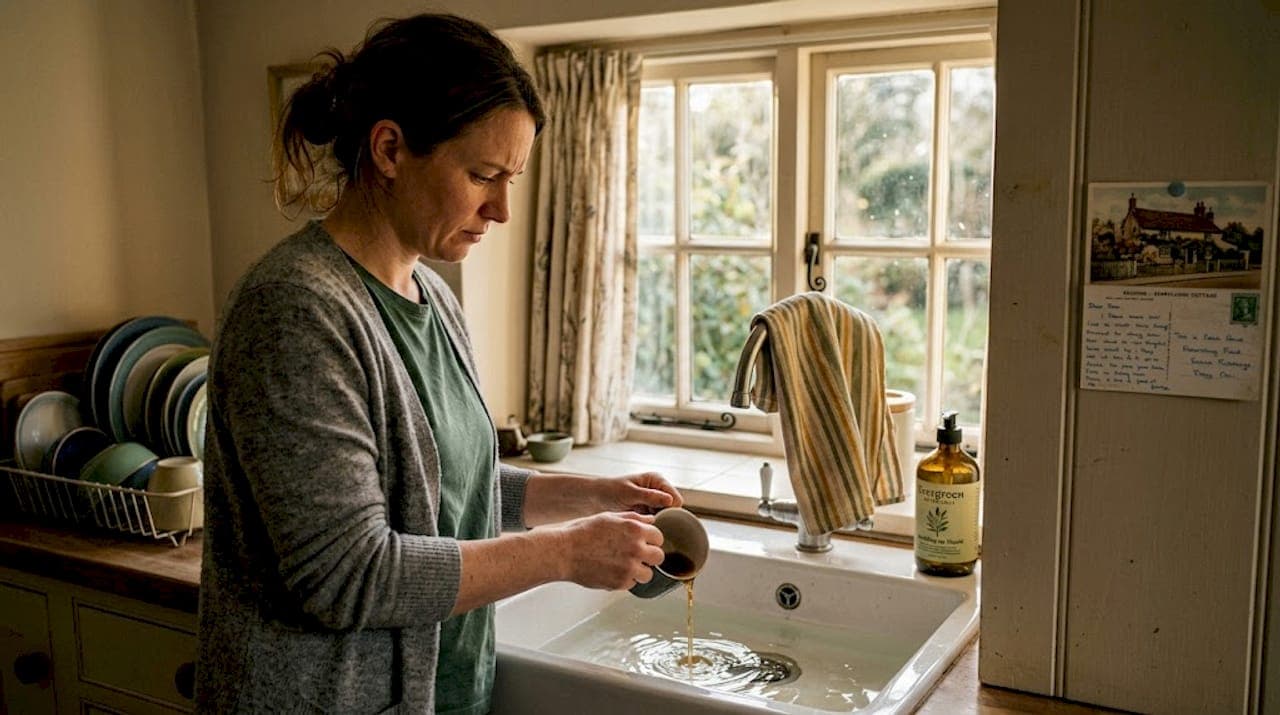
Standing at your kitchen sink watching the water rise instead of drain is one of those small disasters that can ruin your morning. Maybe it's the bath that takes an age to empty, or worse, the toilet backing up at the worst possible moment. Blocked drains are one of the most common plumbing headaches in Reading homes, and if you leave them too long, what starts as a slow drain can quickly turn into overflow, water damage, and a much bigger bill. The good news is that many blockages are completely solvable at home with the right approach and a little patience.
Table of Contents
- How to identify where the blockage is
- Essential tools and preparation for unblocking drains
- Step-by-step: How to clear common household drain blockages
- Prevention tips: How to keep drains clear in Reading homes
- What most DIY guides miss: Knowing when to hand over to the experts
- Need help with a blocked drain in Reading?
- Frequently asked questions
Key Takeaways
| Point | Details |
|---|---|
| Diagnose the issue | Check if one or several fixtures are blocked to pinpoint the source of the problem. |
| Start with safe methods | A plunger and manual clearing should always be your first step before considering chemicals. |
| Know your limits | If DIY solutions fail or neighbours are affected, contact Thames Water or a professional promptly. |
| Prevent future blocks | Be careful what goes down your drains and establish regular maintenance routines. |
How to identify where the blockage is
Before you reach for the plunger, spend two minutes working out exactly where the problem lies. This single step will save you a lot of wasted effort and help you decide whether it's your problem to fix or someone else's.
Start by checking every drain in your home. Turn on taps in the bathroom, kitchen, and utility room, and flush the toilet. If only one fixture is draining slowly or not at all, the blockage is almost certainly local to that pipe. That's the best-case scenario, because it means a relatively simple fix.
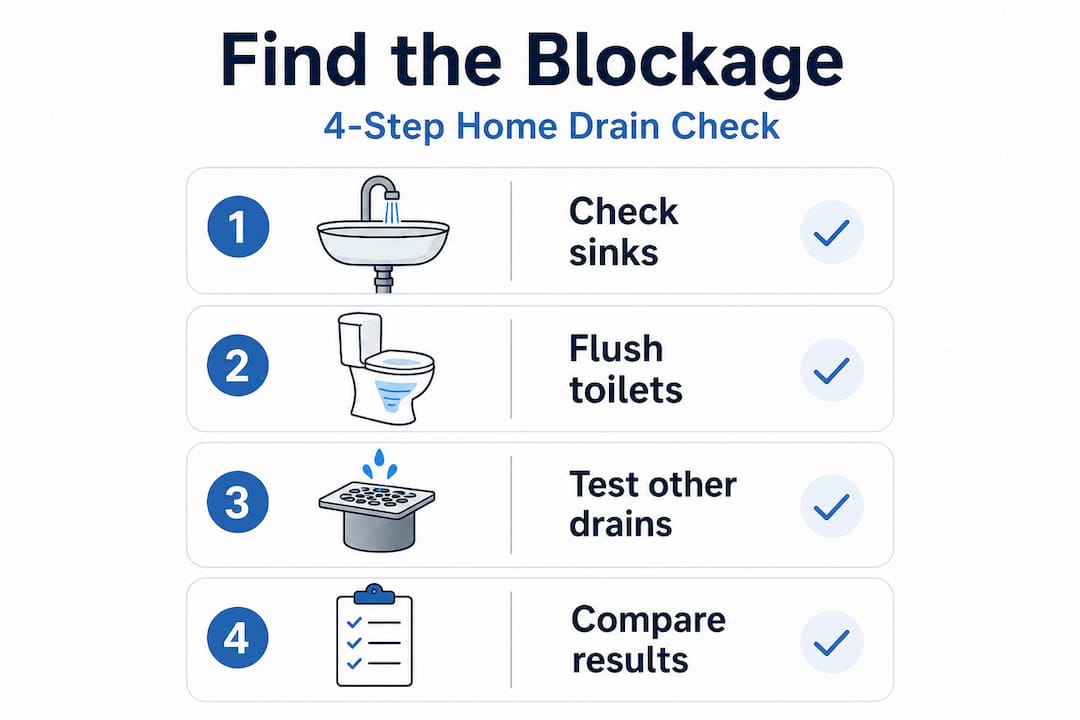
If multiple fixtures are draining poorly at the same time, the picture changes. As any plumber will tell you, when multiple fixtures are affected, the clog is likely in a shared line rather than in any individual fixture. That changes your approach entirely.
| Symptom | Likely location | Who is responsible |
|---|---|---|
| One sink slow to drain | Local pipe or trap | You |
| One toilet gurgling | Local soil pipe | You |
| All fixtures draining slowly | Main drain or shared sewer | Likely you, possibly shared |
| Neighbours also affected | Shared or public sewer | Thames Water |
| Drain manhole overflowing | Main sewer line | Thames Water |
It's worth knowing your legal position here. Reading property owners are responsible for their own pipes, whereas Thames Water covers shared and public drainage. So if your neighbours are also noticing blockages or slow drains, stop your DIY efforts and contact Thames Water directly. Attempting to fix a shared sewer problem yourself can actually make things worse and may even put you in breach of drainage regulations.
Before starting any work, a quick review of your plumbing maintenance checklist can help you understand your pipework better and spot any related issues you might have missed. If you're unsure whether the problem warrants a professional visit, check our guide on the signs you need a plumber in Reading.
Essential tools and preparation for unblocking drains
Now that you know where your blockage is, gather the right equipment and take the necessary precautions before you begin any hands-on work. Rushing in without the right tools is how minor jobs turn into bigger messes.
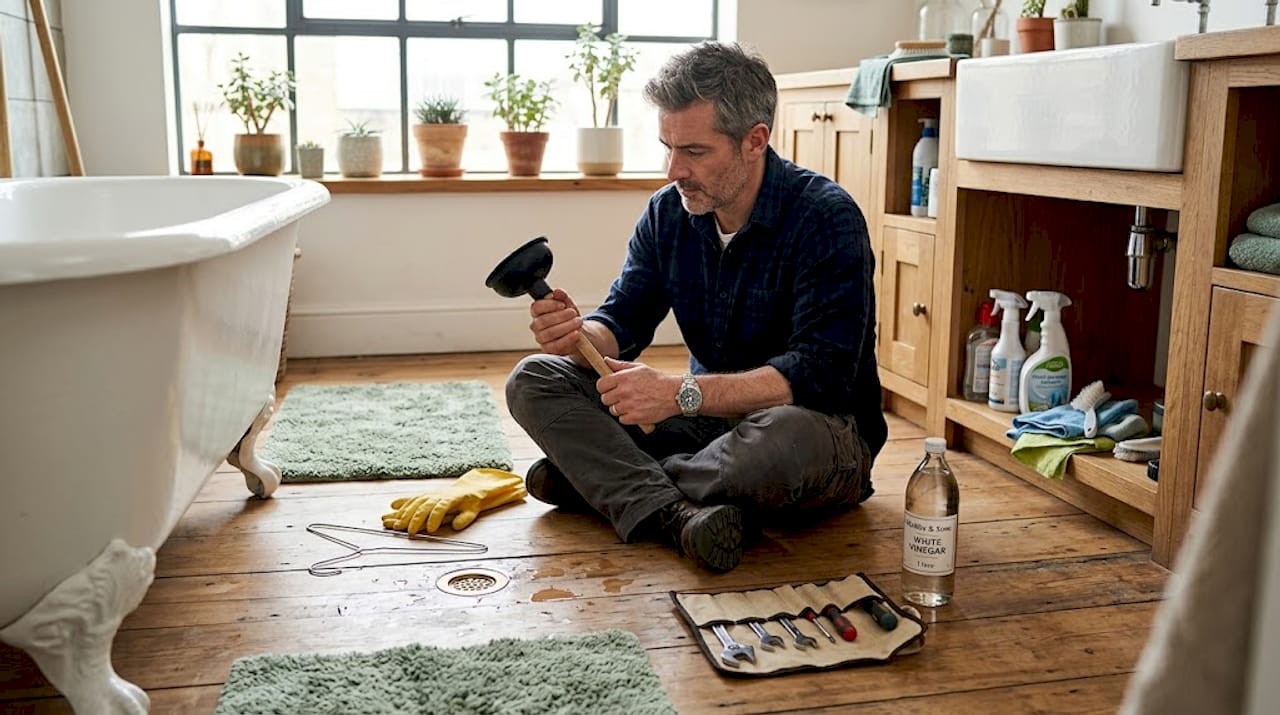
Here's what you'll need within arm's reach before you start:
| Tool or material | Purpose |
|---|---|
| Cup plunger | Clearing sink, bath, and shower clogs |
| Flange plunger | Better seal for toilet blockages |
| Drain snake (hand auger) | Reaching deeper clogs beyond the trap |
| Rubber gloves | Protecting hands from bacteria and chemicals |
| Eye protection | Shielding against splashback |
| Old cloths and towels | Containing mess and overflow |
| Bucket | Catching water when removing traps |
| Washing-up bowl | Collecting debris during cleaning |
| Bicarbonate of soda and white vinegar | Natural, safe cleaning alternative |
Beyond having the right gear, a few safety checks are non-negotiable:
- Always wear rubber gloves and eye protection before working on any drain
- Ensure the room is well ventilated, especially if you're using any cleaning products
- Avoid mixing chemical drain cleaners, even different brands of the same type
- Never use harsh chemical cleaners on PVC pipes without checking the product label, as some formulas can soften or weaken the plastic over time
- Keep children and pets out of the area while you work
- Have a bucket and old towels ready before you open any U-bend or trap
Safety warning: Never mix different chemical drain cleaners together, and do not combine them with bleach or other household chemicals. The reaction can produce toxic gases and cause serious harm. If a chemical cleaner hasn't worked after one application, remove the excess liquid carefully before trying anything else.
Pro Tip: When using a cup plunger on a sink, make sure there's enough water in the basin to fully cover the rubber cup. A dry plunger or one that isn't fully submerged won't create the suction needed to shift the blockage. As a plunger works best with a solid seal and sufficient water, it's your safest and most effective first move for hair, food debris, and soap build-up.
For a broader look at what you can safely tackle yourself, our guide to DIY plumbing fixes for Reading homes is a great starting point.
Step-by-step: How to clear common household drain blockages
Once you're fully prepared, it's time to put practical DIY techniques into action. Follow these steps for the most common household blockages, and know when it's time to move on to the next stage.
Clearing a blocked sink or bath:
- Remove the drain cover or plug if there is one, and pull out any visible hair or debris using gloved fingers or a pair of long-nose pliers.
- Fill the basin or bath with enough water to cover the plunger cup fully.
- Place the plunger firmly over the drain opening, ensuring a good seal, and push down slowly before pulling up sharply. Repeat this 10 to 15 times in a steady rhythm.
- Lift the plunger and check whether water drains away. If it does, run hot (not boiling) water for a minute to flush any remaining debris through.
- If plunging hasn't worked, place a bucket under the U-bend beneath the sink and unscrew the trap by hand or with adjustable grips. Clear any debris from inside, rinse it thoroughly, and refit it securely.
- If the trap is clear but the problem persists, use a drain snake by feeding it gently into the pipe until you feel resistance, then rotating to break up or pull out the clog.
Clearing a blocked toilet:
- Use a flange plunger, not a cup plunger, as the extended rubber lip creates a far better seal in the toilet bowl.
- Ensure there's enough water in the bowl to cover the plunger cup. If it's very low, add some.
- Plunge firmly 15 to 20 times, then check whether the water level drops. A successful clear is usually obvious.
- If plunging fails, a toilet auger (also called a closet auger) can be fed into the pan to break up stubborn blockages without scratching the porcelain.
Dealing with greasy kitchen blockages:
Grease and fat are the number one culprit in kitchen drain blockages. Once cooled fat coats the inside of a pipe, it narrows the channel and traps food particles rapidly. For these blockages, pour a kettle of hot (not boiling) water slowly down the drain, wait five minutes, then try plunging. Always use caution with PVC pipes, as hot water for grease should be warm rather than boiling to avoid warping joints.
| Blockage type | First method | Second method | Escalate if |
|---|---|---|---|
| Hair in bath or shower | Manual removal plus plunger | Drain snake | Clog is deep in the pipe |
| Food debris in kitchen sink | Plunger | U-bend cleaning | Drain remains slow |
| Grease in kitchen pipe | Hot water flush | Bicarbonate and vinegar | Recurring problem |
| Toilet blockage | Flange plunger | Toilet auger | Water backs up severely |
| External drain | Clear visible debris | Jet wash with hose | Multiple properties affected |
Pro Tip: A combination of bicarbonate of soda followed by white vinegar makes a genuinely effective and safe alternative to chemical cleaners for mild blockages. Pour half a cup of bicarbonate down the drain, follow with half a cup of white vinegar, cover the drain for 15 minutes, and flush with hot water. It won't shift a serious clog, but it's excellent for maintenance and mild build-up.
Our DIY drainage cleaning guide goes deeper into techniques for different drain types. And if your blockage turns out to be part of a larger damp or mould issue, it's worth checking when DIY isn't enough to know when to hand over to a specialist.
Prevention tips: How to keep drains clear in Reading homes
Clearing a single blockage is only part of the solution. Consistent prevention ensures your drains stay clear and your home stays safe long-term. The vast majority of callouts we attend could have been avoided with a few simple habits.
Here's what should never go down your drains:
- Kitchen drains: Cooking fat, oils, grease, coffee grounds, pasta, rice, and vegetable peelings
- Bathroom drains: Cotton pads, cotton buds, hair (always use a drain guard), dental floss, and face wipes
- Toilet: Wet wipes (even those labelled "flushable"), period products, nappies, cotton wool, and medication
Thames Water is very clear on this point. Their guidance on blockages states that only pee, poo, and toilet paper should be flushed, and that fats, oils, and grease should always go in the bin. The cost of sewer blockages in the UK runs into hundreds of millions of pounds each year, and a significant proportion is caused by exactly these items being put down domestic drains.
Beyond avoiding problem materials, a few simple habits make a real difference:
- Fit a hair-catcher over every bath and shower drain. These cost very little and are extraordinarily effective.
- Wipe greasy pans with kitchen roll before washing to keep fat out of the sink entirely.
- Run hot water for 30 seconds after washing up to help flush any residue through the pipes.
- Check external drain covers seasonally, especially in autumn when leaf fall can cause external blockages quickly.
Pro Tip: Set a monthly reminder on your phone to pour a kettle of hot water (not boiling if you have PVC pipes) down each kitchen drain and follow it with a bicarbonate and vinegar flush. It takes five minutes and dramatically reduces the build-up that leads to full blockages over time.
For broader advice on protecting your pipework and reducing your environmental impact, our plumbing sustainability tips are worth a read. You'll also find helpful seasonal home care advice that can complement your drain maintenance routine.
What most DIY guides miss: Knowing when to hand over to the experts
Here's the thing most DIY guides won't tell you. They focus almost entirely on technique and tools, and leave out the most important judgement call of all: knowing when to stop and call someone in.
We've seen plenty of situations where a homeowner has tried every trick in the book, including repeated plunging, chemical treatments, and DIY snaking, only to end up with a burst pipe joint, a scratched pan, or a flooded bathroom. Good DIY isn't just about doing the job yourself. It's about knowing your limits and acting on them at the right time.
There are some clear signals that tell you it's time to step back. If you're dealing with a recurring blockage that clears temporarily but returns within a week or two, that's a sign the root cause hasn't been addressed. It could be tree root intrusion, pipe scaling, or a structural defect that no plunger is going to fix. Similarly, a persistent sewage smell, even after clearing the visible blockage, suggests something deeper is going on, possibly a cracked or partially collapsed pipe.
The most overlooked situation is when the problem extends beyond your own property. If neighbours are experiencing similar drainage issues, the blockage is very likely outside your responsibility and related to shared drainage maintained by Thames Water. In that case, contacting Thames Water directly is the right move, not attempting further DIY.
Persistent and unexplained blockages also affect your property's value and habitability over time. A drainage survey using a CCTV camera, carried out by a professional, can pinpoint exactly what's happening inside your pipes and rule out serious structural problems. It's a worthwhile investment if you've had more than two significant blockages in a year.
When you do reach that decision point, know what questions to ask so you get the right service. Our guide on questions to ask your plumber can help you brief your engineer effectively and understand what's being done and why.
Need help with a blocked drain in Reading?
If you've worked through every step in this guide and your drain is still refusing to cooperate, there's no shame in calling for backup. Sometimes a blockage needs professional equipment, local knowledge, and trained hands to resolve it properly.

At Your Local Plumber, we cover Reading and the surrounding area with fast-response drain unblocking and full plumbing services. Whether it's a stubborn kitchen blockage, a backed-up toilet, or a suspected main drain problem, our experienced engineers arrive quickly, diagnose accurately, and fix it right. We offer transparent pricing with no hidden charges, so you always know what you're paying before any work begins. Get in touch today and let us take the stress off your hands.
Frequently asked questions
How do I know if a blocked drain is my responsibility or Thames Water's?
If the blockage affects only your home, it's typically your responsibility to resolve. Shared drains or issues affecting multiple neighbours are usually managed by Thames Water, so contact them directly if that's the case.
What is the safest first DIY method for a blocked kitchen or bathroom sink?
A plunger with enough water to cover the cup fully is the safest and most effective first step. It's effective for minor clogs caused by hair, food debris, and soap build-up without risking any pipe damage.
Can I pour boiling water down PVC pipes to clear grease?
No. Boiling water can soften and warp PVC pipe joints. Use hot but not boiling water instead, and pour it slowly to minimise the risk to your pipework.
What are the main causes of repeat drain blockages in Reading homes?
Flushing wet wipes and period products, and pouring fats or cooking oil down the drain are the leading culprits. Only pee, poo, and paper should be flushed according to Thames Water guidance.
When should I call a plumber instead of trying to fix a blocked drain myself?
Call a plumber if your DIY efforts don't restore flow, if multiple fixtures are blocked at the same time, or if you suspect the issue is in a main or shared sewer line. Recurring blockages also warrant a professional inspection.