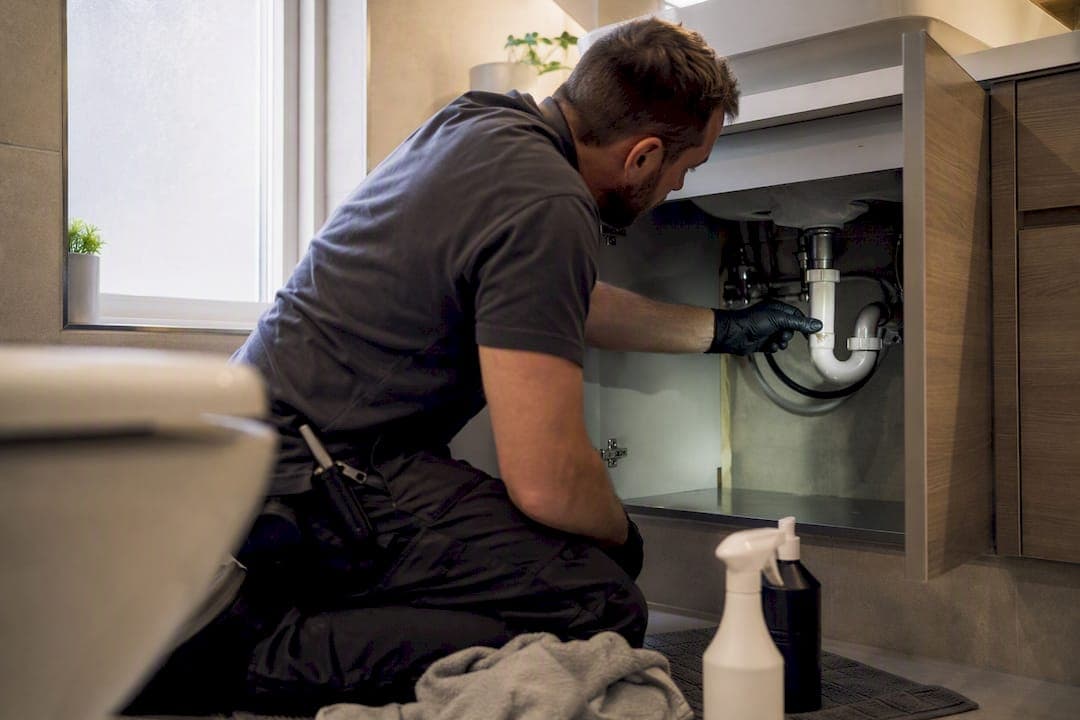
Most sewer smells in a bathroom come down to one of two things: a dried-out trap that's lost its water seal, or a toilet whose base seal has failed. Both let sewer gas drift back up into the room instead of staying trapped where it belongs, and both are usually fixable in minutes, not hours.
Start here, right now:
- Open a window and get some airflow moving through the room.
- Pour water down every plughole and drain in the bathroom, including ones you never use.
- Flush the toilet twice, then pour some water straight into the pan and watch how it drains.
If the smell fades within an hour or two, you've solved it. If it's still strong, or you feel light-headed, nauseous or notice sewage backing up anywhere, stop the DIY approach and treat it as a job for a professional straight away.
TL;DR:
- Re-watering all traps with a litre of water often resolves sewer smells caused by dry traps or failed seals.
- Isolating fixtures through plughokes and individual testing helps identify whether a single trap or a venting issue is to blame.
- Gurgling sounds in multiple fixtures indicate a shared drain or venting problem, not a simple trap failure.
- Persistent, strong odours accompanied by health symptoms or sewage backup require immediate professional intervention.
- When DIY solutions fail, CCTV drain surveys and smoke testing by specialists quickly locate hidden leaks or blockages.
Table of Contents
- What causes a sewage smell in a bathroom?
- How do you get rid of a smelly bathroom drain yourself?
- How do you work out which fixture is causing the smell?
- Is a sewer smell in the bathroom dangerous?
- What professional diagnostics and repairs are used for sewer smells?
- How do you stop sewer smells coming back?
- Could your extractor fan be part of the problem?
- Could mould or mildew be behind the smell instead?
- A plumber's take on triage over guesswork
- Need a plumber to sort it properly?
- Key Takeaways
- Sources
What causes a sewage smell in a bathroom?
A dry P-trap is the single most common culprit, and it's almost always the guest bathroom or the shower nobody's used in three weeks that starts smelling first. Every trap under a sink, bath or shower relies on a small standing pool of water to physically block sewer gas from travelling back up the pipe. Leave a fixture unused for a couple of weeks and that water evaporates, especially in centrally heated homes, and the gas has a clear run into your bathroom.
Slow or partially clogged drains are the second big cause. Hair, soap scum and organic matter build up into a biofilm that traps waste against the pipe walls, and as it breaks down it produces the same sulphurous smell as raw sewage, even when the drain still technically works.
Beyond the obvious, four other faults show up again and again:
- Blocked soil or vent pipe: the vertical stack that lets air escape from your drainage system can clog with debris or bird nests, creating negative pressure that pulls water straight out of nearby traps.
- Failed toilet seal: a worn wax ring or pan connector under the toilet base lets gas leak out around the pan rather than through it, often with a slight rocking motion when you push the toilet.
- Partial sewer-line blockage: if the smell comes with gurgling from multiple fixtures at once, the problem may sit further down the line, not at any single trap.
- Damaged external gully: a cracked or dry gully pot outside can let foul air seep into the subfloor and rise through gaps around pipework.
Dry traps and failed toilet seals account for the clear majority of bathroom sewer smells reported to drainage specialists and home-repair guides, which is exactly why re-watering traps is always the first move, not the last resort.
How do you get rid of a smelly bathroom drain yourself?
Work through these steps in order. Most bathroom odour problems resolve at step one or two.
- Re-water every trap. Pour around a litre of water into each sink, bath, shower and floor drain, plus the toilet. Do this even for fixtures you're sure aren't the source. It costs nothing and rules out the most likely cause immediately.
- Clear visible blockages. Pull the hair trap out of the shower or bath waste and check it by hand. For slow sink drains, try a manual drain hook first, then a mix of hot water, baking soda and vinegar poured down and left for fifteen minutes. Skip harsh chemical drain cleaners where you can. They can damage older pipework and won't touch a dry trap or a failed seal.
- Inspect the toilet base. Gently push the pan from side to side. Any rocking suggests a loose fixing or a failing wax ring or pan connector. Check for damp staining or a musty smell right at the base, which points to a leak rather than gas alone. Resealing the silicone bead around the base is a reasonable DIY job; replacing the wax ring or pan connector itself is trickier and worth leaving to a plumber unless you're confident.
- Check the external gully. If you can safely lift the cover on the gully outside the bathroom wall, look for standing water. A dry or cracked gully lets smells travel indoors.
- Map the smell. Note which room, which fixture and what time of day the odour is strongest. This single piece of information saves a specialist real diagnostic time later.
Pro Tip: Run one fixture at a time and sniff around every other drain in the room while it's running. If a plughole across the bathroom "burps" air when you flush the toilet, that's a venting problem, not a local trap issue, and it changes what a plumber needs to check first.
How do you work out which fixture is causing the smell?
A structured isolation test beats guesswork every time, and it takes about ten minutes.
- Cover every plughole in the bathroom, then flush the toilet and watch for air being pushed back out anywhere. A plughole that "exhales" points to lost venting rather than a cracked pipe.
- Test fixtures one at a time. Run each tap, shower and the toilet individually and note exactly where the smell gets stronger. If it's localised to one basin, that's your trap. If it follows you round the room, look higher up the system.
- Listen for gurgling. A gurgle when another fixture drains is a strong sign of a partial blockage or air displacement somewhere in the shared pipework, not a simple dry trap.
- Check the roof vent, visually only. Blocked vents often show up worst during or just after heavy rain, or at peak household usage times like weekday mornings, when several fixtures drain at once.
- Look at the nearest inspection chamber outside, if you have access. Gurgling or a strong smell rising from the chamber itself usually means the fault sits in the shared drain run, not inside the house.
- Write it all down: which fixtures were affected, what time of day, whether it followed rain, and whether covering plugholes changed anything. That log is exactly what a plumber needs to skip the first twenty minutes of their own investigation.
Is a sewer smell in the bathroom dangerous?
Usually not, but occasionally yes, and it's worth knowing the difference. Sewer gas contains hydrogen sulfide, which produces the classic rotten-egg smell, along with methane in some cases. Brief exposure to a whiff isn't harmful. Prolonged exposure to a strong, sustained smell can cause headaches, nausea and dizziness.
Treat it as an emergency if any of the following apply:
- The smell is strong, constant, and doesn't improve after ventilating and re-watering traps.
- Anyone in the house reports headaches, dizziness or nausea that eases when they leave the room.
- You can see or suspect sewage actually backing up into the bath, shower or toilet.
- You smell gas alongside the sewage odour, in which case avoid naked flames and switches, ventilate immediately, and get everyone out.
In any of those cases, open windows, leave the room, and call an emergency plumber rather than continuing to troubleshoot.
What professional diagnostics and repairs are used for sewer smells?
When re-watering traps and basic checks don't fix it, drainage specialists reach for two main tools. A CCTV drain survey feeds a waterproof camera through the pipework to spot cracks, root ingress, collapsed sections or blockages that no amount of external checking will reveal. Smoke testing pushes a synthetic, non-toxic smoke through the system under gentle pressure; smoke escaping through a wall, floor or around a toilet base marks the exact point of a hidden leak, and it clears within minutes once the test is done.
Repairs and rough costs generally break down like this:
| Repair | Typical scope | Rough timeframe |
|---|---|---|
| Wax ring or pan connector replacement | Reseal toilet base, refit pan | Half a day |
| Soil stack repair | Replace damaged section of vent pipe | One day |
| Sewer jetting | High-pressure clearance of a blocked run | Half a day |
| Gully pot replacement | Replace cracked or displaced external gully | Half a day |
Responsibility matters here too: pipework inside your boundary is your responsibility, while the public sewer beyond it is usually the water company's. Before booking, jot down which fixtures are affected, when the smell is worst, and whether any building or drainage work has happened recently. It genuinely cuts down the number of visits needed.
How do you stop sewer smells coming back?
Prevention is mostly about habit, not equipment. Run water through every sink, bath and shower in the house at least once a week, particularly guest bathrooms and utility rooms, since rarely used traps are the fixtures most likely to dry out and start the whole problem again.
A few other habits worth building in:
- Clear leaves and debris from roof vents and external gullies each autumn and spring.
- Never pour fats, oils or grease down a sink; they set hard and narrow the pipe from the inside.
- In a bathroom that's had repeated odour problems, ask a plumber about a trap primer or a one-way air admittance valve, both of which stop the seal failing in the first place.
- If your property is older or you've had recent building work near the drainage run, a professional inspection is worth booking before problems start rather than after.
Could your extractor fan be part of the problem?
An extractor fan doesn't cause sewer smells directly, but a fan that's clogged, weak or wired to run for too short a cycle lets moisture and odours linger in the room far longer than they should, which makes any drain smell feel worse than it actually is.
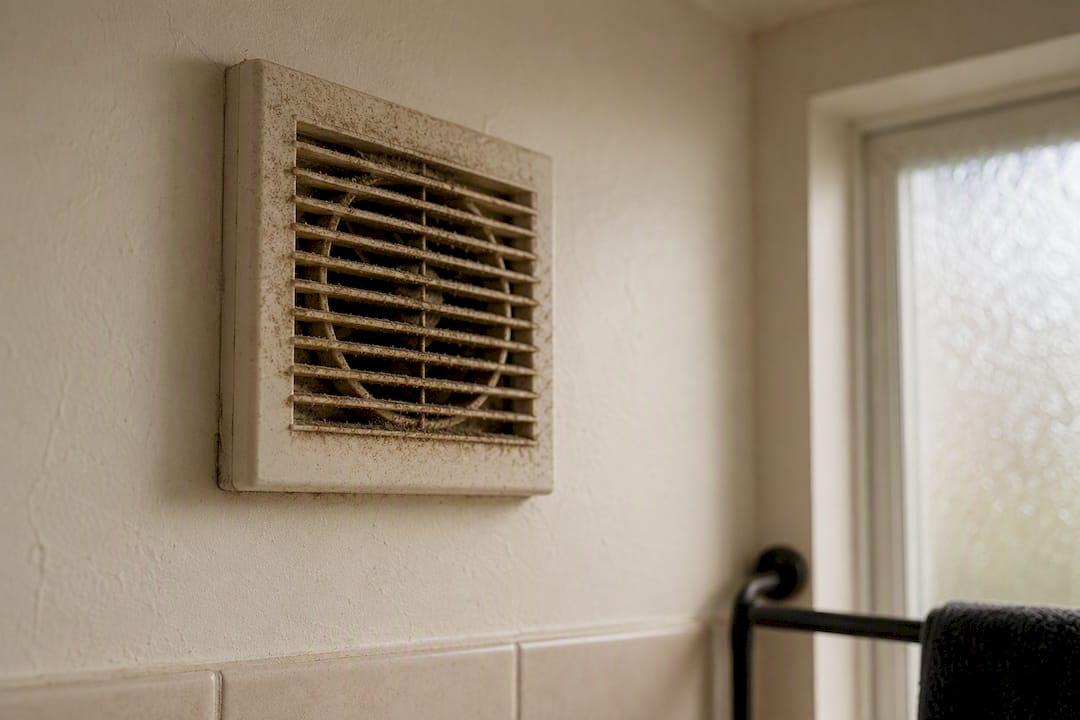
Check the fan cover for a build-up of dust and grease, since a caked filter can cut extraction rates by a noticeable margin without ever stopping the fan turning. Hold a piece of tissue paper against the grille while it runs. If it barely clings, the fan isn't pulling enough air and needs cleaning, or replacing if it's more than eight to ten years old.
Ducting matters as much as the fan itself. A crushed or disconnected duct run to the outside wall or roof means the fan is simply recirculating damp air rather than expelling it, and that trapped humidity feeds mould growth as well as making sewer odours linger. Check that the humidistat or timer, if fitted, is set to run for at least fifteen minutes after a shower rather than switching off the moment the light goes off.
A fan working properly won't fix a dry trap or a failed toilet seal, but it will stop a minor, temporary smell turning into something that seems far worse than it is, and it clears the room faster once you've dealt with the actual cause.
Could mould or mildew be behind the smell instead?
Not every bad smell in a bathroom is sewage, and it's worth ruling this out before you start pulling up floor tiles looking for a cracked pipe. Damp, musty smells that sit low in the room, around grout lines, under the bath panel or behind a shower enclosure, are more often mould and mildew than sewer gas.
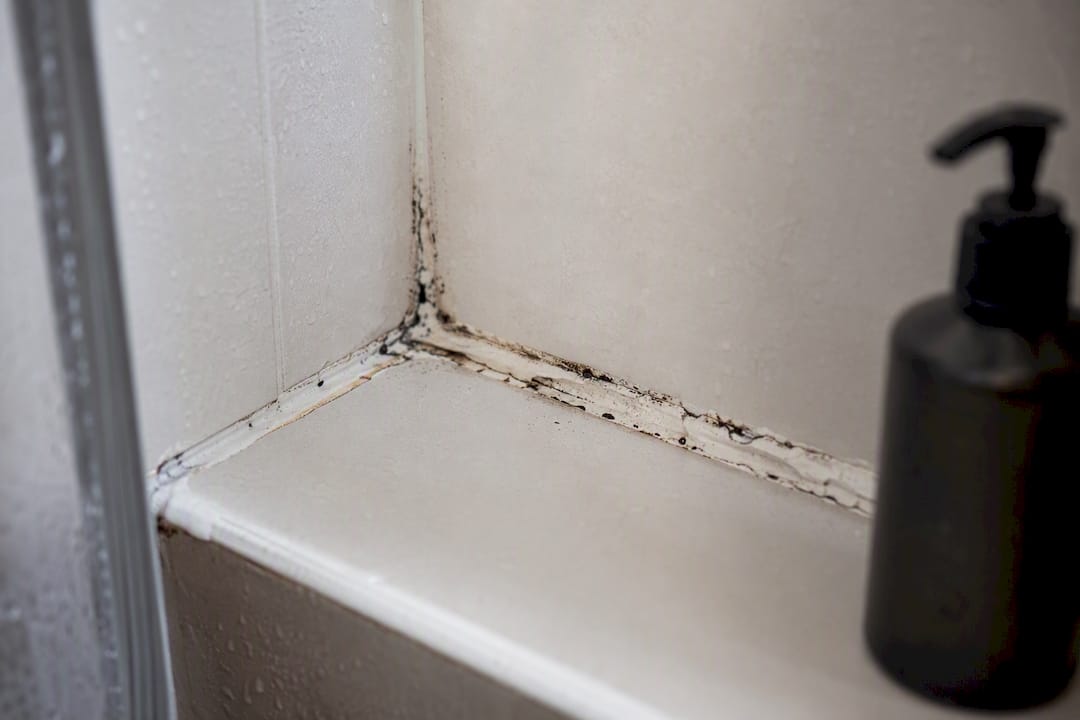
The two smells are genuinely different once you know what to listen for in your own nose. Sewer gas has that distinct rotten-egg sharpness from hydrogen sulphide. Mould and mildew smell earthier and damper, more like a wet basement than a drain.
Common spots to check: silicone sealant around the bath or shower that's gone black or has lifted away from the tile, the underside of a bath panel where splashed water collects and never fully dries, and grout lines on shower walls. Poor ventilation, exactly the fan issue above, is usually what lets mould take hold in the first place, since damp air with nowhere to go condenses on cool surfaces and feeds growth within days.
If you find mould, treat the silicone and grout with a proper mould-specific cleaner rather than a generic bathroom spray, and fix the ventilation problem behind it or it will simply return within weeks. Bleach and air fresheners might mask a smell temporarily, but they don't resolve the underlying moisture problem and can actually make diagnosis harder if you're also trying to track down a genuine drainage fault at the same time.
A plumber's take on triage over guesswork
The homeowners who solve this fastest follow a simple order: re-water every trap first, isolate the fixture second, and only escalate to a professional once those two steps have genuinely been ruled out. Most people skip straight to worrying about a cracked sewer pipe when the real fault is a shower trap that's been dry for a fortnight.
DIY is right for anything that responds to re-watering or a basic seal check. Once gurgling, multiple fixtures, or symptoms of gas exposure enter the picture, that's a drainage specialist's job, not a weekend project.
— Michael
Need a plumber to sort it properly?
If you've re-watered every trap, checked the toilet seal and the smell is still there, or you'd rather skip the troubleshooting altogether, Your-local-plumber runs emergency call-outs specifically for cases like this, with engineers who carry out CCTV drain surveys and smoke testing on the same visit where needed, so you're not waiting on a second appointment to find the actual fault.

Before you call, it helps to have a quick symptom log ready: which fixtures are affected, what time of day it's worst, and whether you've had any building or drainage work done recently. That single bit of information often cuts a job from two visits to one. Every quote is fixed and explained before work starts, so there's no surprise invoice at the end of a job. If the smell in your bathroom hasn't shifted after trying the fixes above, book a visit with Your-local-plumber and get a trap reseal, a wax ring replacement, or a full drain survey sorted properly the first time.
Key Takeaways
A sewer smell in the bathroom is almost always a dry trap or a failed toilet seal, and re-watering every fixture is the fastest way to confirm or rule that out.
| Point | Details |
|---|---|
| Re-water traps first | Pour a litre of water into every sink, bath, shower drain and the toilet before anything else. |
| Isolate before escalating | Cover plugholes and test fixtures one at a time to find exactly where the smell originates. |
| Watch for gurgling | Gurgling across multiple fixtures points to a shared drain or venting fault, not a single dry trap. |
| Know the emergency line | Strong constant odour with headaches, dizziness or visible sewage backup needs urgent professional help. |
| Call a specialist when DIY stalls | Your-local-plumber offers CCTV surveys, smoke testing and fixed-price repairs for faults DIY checks can't resolve. |
Sources
For deeper technical detail on diagnosing sewer odours, see InspectApedia's troubleshooting guide, Healthline's guide to sewer gas exposure, and Sefton Council's guidance on smelly drains. For vent-related odour causes generally, this homeowner's guide offers useful background.
- Bathroom Smell Like Sewage? Possible Causes and Fixes — HowStuffWorks
- All About Sewer Gas Exposure: Causes, Symptoms, Treatment & More — Healthline
- Diagnose and Cure Sewer Gas Smells and Septic Tank Odors — InspectApedia