
TL;DR:
- Hidden water leaks are pipe failures that release water inside walls, floors, or foundations without visible signs. Detecting early clues like water stains, musty smells, and temperature patches helps homeowners avoid costly structural repairs. Professional inspection and simple DIY tests are essential for confirming leaks before they cause significant damage.
Hidden water leaks are pipe failures or joint breaches that release water inside walls, under floors, or beneath foundations without any immediately visible trace. The signs of hidden leaks are often subtle: a creeping water bill, a faint musty smell, or a patch of discolouration on a ceiling. Catching these clues early is the difference between a straightforward repair and a structural overhaul. UK homeowners who act on early warning signs of hidden water leaks consistently avoid the most expensive outcomes. This guide covers every major indicator, explains what each one means, and tells you when to call a professional.
1. Water stains, discolouration, and bubbling surfaces
Brown, yellowish, or copper-coloured stains on walls and ceilings are the most recognisable visual signs of hidden water damage. Visible surface stains indicate a leak that has been active for days or weeks, not hours. The moisture has already saturated the surrounding material before the stain becomes visible.
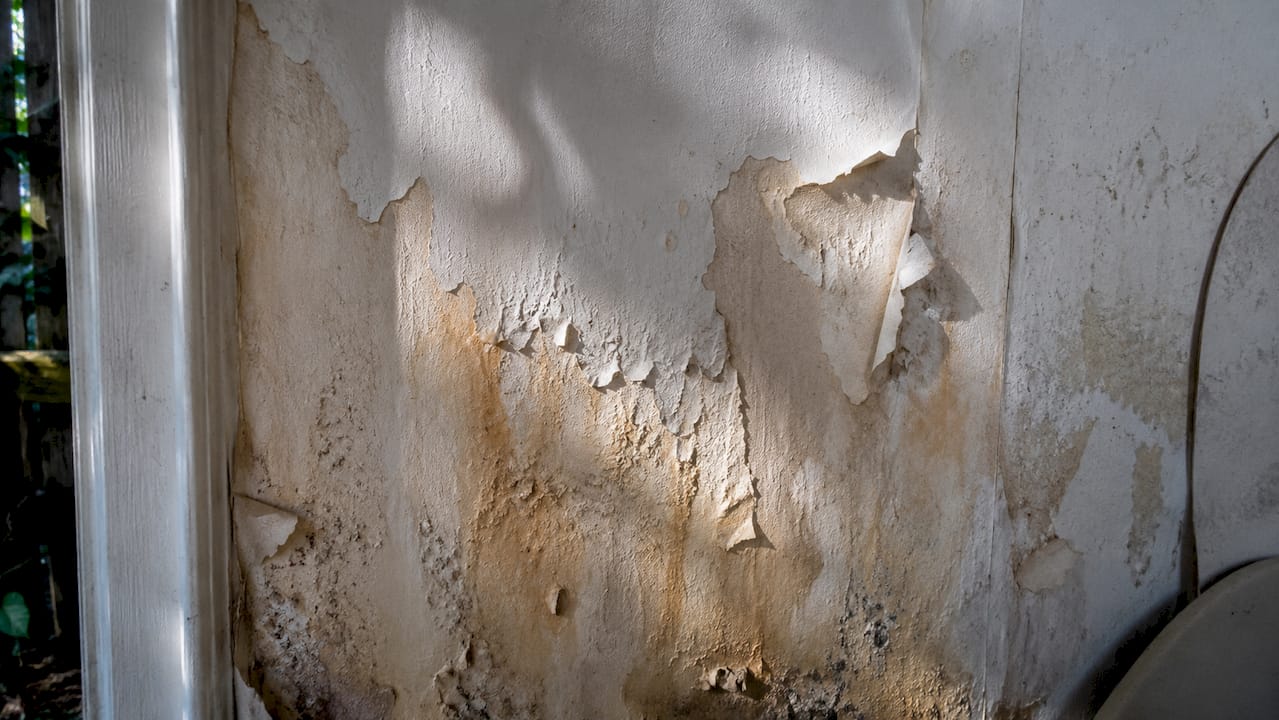
Bubbling or peeling paint and wallpaper follow the same logic. When water gets behind a painted surface, it breaks the adhesion and creates blisters or flaking patches. These spots feel soft or damp to the touch, even when the surface looks dry from a distance.
The location of a stain rarely marks the exact source of the leak. Water migrates along joists and framing before appearing on a surface, sometimes travelling 2–4 feet from the actual breach. A ceiling stain directly below a bathroom does not automatically mean the toilet is the culprit.
Pro Tip: Never paint over a water stain before locating and fixing the source. Painting over it masks an ongoing problem and makes professional diagnosis harder later.
2. Unexplained rises in your water bill
A consistent upward trend in your monthly water bill, with no change in household habits, is a strong indicator of a hidden leak. Small leaks can waste hundreds of gallons per month, and that volume shows up clearly on your bill before it shows up anywhere else in your home.
The most reliable way to confirm a leak is the water meter movement test. Follow these steps:
- Turn off every tap, appliance, and water-using fixture in the house.
- Locate your water meter, usually near the stopcock at the front of the property.
- Record the current meter reading, including the leak indicator dial if your meter has one.
- Wait 30–60 minutes without using any water.
- Check the meter again. Any movement confirms water is flowing somewhere it should not be.
A spinning leak indicator while all fixtures are off is definitive proof of an active hidden leak. This test costs nothing and takes under an hour.
Pro Tip: Check your water bill against the same month from the previous year. Seasonal variation is normal; a year-on-year spike with no obvious cause points directly to a leak.
3. Musty or earthy smells you cannot trace
A persistent musty or earthy odour in a room, with no visible mould and no damp surfaces, is one of the most telling warning signs of water damage. Musty odours often reveal mould already growing inside wall cavities, signalling hidden moisture well before surface signs appear. The smell precedes the stain by days or weeks.
Mould is the cause of the odour, not just a side effect. Mould can colonise drywall within 24–48 hours of sustained moisture exposure. By the time you smell it, the colony is already established inside the wall.
"Odour often precedes visible mould and indicates an established internal moisture source. Homeowners who act on smell alone, before any staining appears, catch leaks at the cheapest possible stage of repair."
Pay attention to where the smell is strongest. Cupboards built against external walls, under-sink cabinets, and rooms above garages are common hotspots. The smell intensifies in warm weather as moisture evaporates more rapidly from saturated materials.
4. Sounds of running water when nothing is on
Audible clues are among the most underused leak detection methods available to homeowners. A faint hissing sound near a wall typically indicates a high-pressure pinhole leak in a copper supply line. Trickling or gurgling sounds when no fixture is running point to water moving through pipes or cavities where it should not be.
The best time to listen is late at night, when background noise is lowest. Walk slowly through each room and press your ear close to walls near pipe runs, particularly in kitchens, bathrooms, and utility rooms. A hiss that stops when you turn off the stopcock confirms the sound is water-related.
Gurgling from drains when no water has been used recently suggests a different problem: a partial blockage causing air displacement. Both sounds warrant investigation, but hissing near supply lines is the more urgent of the two.
5. Warm or cool patches on floors
Unusual temperature patches on floors are a direct indicator of slab leaks, which are pipe failures beneath a concrete foundation. Hot water leaks radiate heat through slabs, creating warm patches you can feel through socks or bare feet. Cold water leaks produce the opposite effect, leaving noticeably chilled spots on an otherwise room-temperature floor.
Slab leaks are among the most damaging types of hidden leak because they are invisible until the damage is severe. The concrete itself masks the problem. By the time a slab leak causes visible floor warping or damp patches, it has typically been running for weeks.
Walk the ground floor of your home in bare feet on a cool morning. Any patch that feels significantly warmer or cooler than the surrounding floor deserves attention. This is one of the few signs of hidden water leaks that requires no tools and no expertise to detect.
6. Warped flooring, mould in dry areas, and efflorescence
Structural signs of hidden leaks represent the advanced stage of a problem that started with the subtler clues above. Warped, spongy, or cupped timber flooring indicates that the subfloor has absorbed sustained moisture. The boards expand unevenly and lose their flat profile. This damage is expensive to repair and almost always means the leak has been active for a long time.
| Sign | What it indicates | Urgency |
|---|---|---|
| Warped or cupped floorboards | Subfloor saturation from prolonged leak | High |
| Mould in cupboards or cabinetry | Chronic hidden moisture inside walls or under floors | High |
| White chalky efflorescence on walls | Water evaporating through masonry, threatening foundations | Medium to high |
| Foundation cracks or sticking doors | Soil erosion from long-term water intrusion | Very high |
Efflorescence is a white, chalky deposit that forms on masonry when water carries dissolved minerals to the surface and evaporates. It is a relatively under-recognised warning sign, but it reflects long-term water exposure that threatens foundation integrity. If you see it on a basement wall or external brickwork, the source needs identifying promptly.
Persistent mould growth in normally dry areas, such as inside wardrobes or under kitchen units, strongly signals chronic hidden leaks and advanced moisture intrusion. Mould in these locations does not appear by accident.
7. Low water pressure across multiple fixtures
Slow leaks cause low water pressure by allowing water to escape the supply line before it reaches your taps. If pressure drops at a single tap, the cause is usually local. If pressure is low across multiple fixtures simultaneously, a supply line breach is the more likely explanation.
A basic pressure gauge, available for under £15, connects to an outdoor tap or washing machine inlet and gives you a reading in bar or psi. Normal domestic supply pressure in the UK sits between 1 and 3 bar. A reading below 1 bar with no known supply interruption points to water loss somewhere in the system.
Low pressure combined with any of the other signs in this list, such as a rising bill or unexplained sounds, makes a hidden leak the most probable cause. Do not wait for the pressure to drop further before investigating.
8. DIY detection steps and when to call a professional
Homeowners can carry out several practical checks before calling a plumber. These steps help confirm whether a leak is present and narrow down its location.
- Perform the water meter movement test described above.
- Check under every sink, behind the toilet cistern, and around the base of the bath for damp patches or mineral deposits.
- Use a pressure gauge on an outdoor tap to measure supply pressure.
- Walk the ground floor in bare feet to check for temperature anomalies.
- Inspect the loft for damp insulation or staining on rafters, particularly after rain.
The limitations of DIY detection are real. You can confirm that a leak exists, but locating it precisely inside a wall or beneath a slab requires specialist leak detection equipment, such as acoustic listening devices or thermal imaging cameras. Attempting to open walls or lift floors without a confirmed location wastes time and causes unnecessary damage.
Call a professional when the meter test confirms a leak but you cannot find any visible source, when you detect floor temperature anomalies suggesting a slab leak, or when mould is present in multiple locations. These scenarios require tools and expertise that go beyond what a homeowner can reasonably deploy.
Pro Tip: Take photographs of every stain, patch, and reading before calling a plumber. A visual record helps the engineer diagnose the problem faster and reduces call-out time.
Key takeaways
Catching the signs of hidden water leaks early is the single most effective way to avoid structural damage and costly repairs.
| Point | Details |
|---|---|
| Stains signal ongoing leaks | Brown or yellowish stains on walls and ceilings indicate a leak active for days or weeks, not hours. |
| The meter test confirms leaks | Record your meter reading with all water off, wait an hour, and recheck to confirm hidden water loss. |
| Smell precedes visible damage | Musty odours indicate mould already growing inside walls, often before any stain appears. |
| Floor temperature reveals slab leaks | Warm or cool patches on ground floors indicate pipe failures beneath the concrete foundation. |
| Efflorescence warns of foundation risk | White chalky deposits on masonry reflect long-term water exposure threatening structural integrity. |
Why I always tell homeowners to trust their senses first
Most homeowners wait for a visible stain before they take action. That is the wrong instinct. By the time a stain appears, the leak has already been running long enough to saturate the surrounding structure. The real opportunity for early detection lies in the sensory clues: the smell, the sound, the feel of the floor underfoot.
I have seen properties where a faint musty smell in a hallway cupboard was the only warning sign for six months before a wall cavity was found to be completely saturated. The homeowner had noticed the smell but assumed it was the cupboard itself. It was not. A simple meter test and a call to a plumber would have caught it at a fraction of the eventual repair cost.
The other mistake I see regularly is painting over stains. Homeowners redecorate and the stain disappears visually, but the leak continues. When the stain returns, which it always does, the damage is worse and the repair bill is higher. A stain is information. Covering it destroys that information.
My advice is to build a simple monthly habit: check your water meter reading, walk the ground floor in bare feet, and open the under-sink cupboards for a quick look and a sniff. These three checks take five minutes and catch the majority of hidden leaks at the earliest possible stage. If anything seems off, act on it. The cost of a professional inspection is always less than the cost of ignoring the signs.
For further reading on preventing hidden leaks and understanding how minor pipe issues escalate, the Your-local-plumber blog covers both topics in detail.
— Michael
Spotted a warning sign? Your-local-plumber can help
Water leaks do not wait for a convenient moment. If you have noticed any of the signs described here, getting a professional assessment quickly is the most cost-effective decision you can make.

Your-local-plumber provides expert leak detection across the UK, carried out by experienced engineers using specialist equipment. Whether you need a meter test confirmed, a slab leak located, or a full property inspection, the team responds quickly and prices transparently. Booking an assessment is straightforward via the website, and there are no hidden call-out fees. Do not let a small leak become a structural problem.
FAQ
What are the first signs of a hidden water leak?
The earliest signs are an unexplained rise in your water bill and a musty smell in rooms with no visible damp. Both indicate active moisture before any staining or structural damage appears.
How do I test for a hidden leak myself?
Turn off all water fixtures, record your meter reading, wait 30–60 minutes, and check the meter again. Any movement confirms an active hidden leak somewhere in the system.
Can a hidden leak cause mould inside walls?
Yes. Mould colonises drywall within 24–48 hours of sustained moisture exposure. A hidden leak running for even a short period creates ideal conditions for mould growth inside wall cavities.
What does efflorescence on a wall mean?
Efflorescence is a white chalky deposit left when water evaporates through masonry. It indicates long-term water exposure and warns of potential foundation damage if the moisture source is not addressed.
When should I call a plumber for a suspected leak?
Call a plumber when your meter confirms water loss but you cannot locate the source, when you feel temperature anomalies on ground floors, or when mould appears in multiple dry areas of the property.