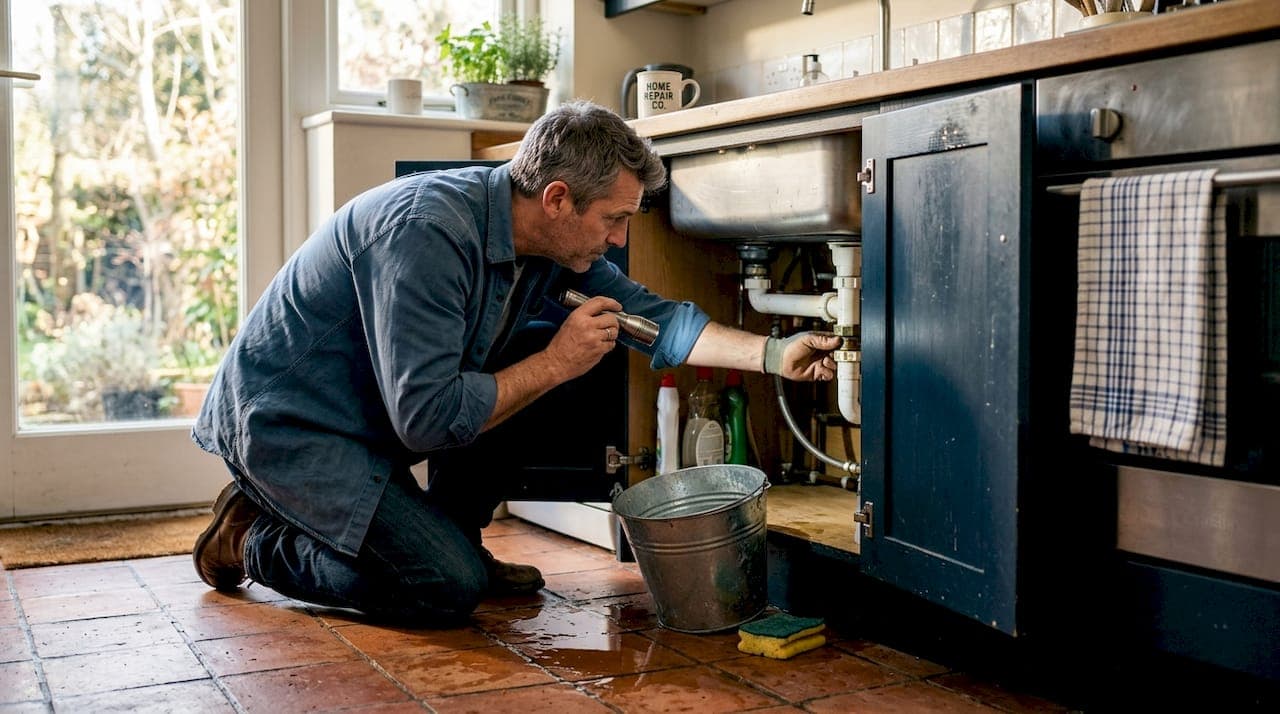
TL;DR:
- Hidden pipe leaks can cause significant water waste and structural damage over time.
- Prevention through regular maintenance and early detection is more cost-effective than emergency repairs.
- Proper diagnosis and professional repairs are essential for lasting prevention and insurance protection.
A single dripping tap might seem trivial, but even minor pipe leaks can waste thousands of gallons annually and push your water bills upward before you notice anything is wrong. For homeowners in Reading and the surrounding area, this is far from a minor inconvenience. Leaks inside walls, under floors, or beneath the garden can silently erode your home's structure over months. This article will help you understand where leaks come from, what they truly cost, and how to take practical steps to protect your property before a drip becomes a disaster.
Table of Contents
- Hidden costs and risks of pipe leaks
- Why prevention is smarter than reaction
- Insurance and maintenance: What homeowners should know
- Practical steps: Preventing pipe leaks at home
- Why temporary fixes aren't enough: A plumber's view
- Solve pipe leaks with trusted local support
- Frequently asked questions
Key Takeaways
| Point | Details |
|---|---|
| Intervene early | Fixing leaks as soon as they appear prevents hidden damage and costly repairs. |
| Hidden costs | Even small leaks quickly add up to high water bills and more significant property damage. |
| Routine checks | Regular inspection and maintenance reduce insurance risks and ensure peace of mind. |
| Professional help | Temporary fixes are unreliable; rely on trusted local experts for lasting results. |
Hidden costs and risks of pipe leaks
Most homeowners picture a pipe leak as a visible puddle under the sink or a dripping tap. The reality is far more troubling. Many leaks are completely hidden, tucked inside wall cavities, beneath concrete floors, or running through the loft. By the time you notice damp patches or peeling wallpaper, the damage may already be significant.
The scale of the problem
The financial and structural risks of pipe leaks are often underestimated. Consider how quickly small drips add up:
| Leak type | Estimated water wasted per year | Approximate additional cost |
|---|---|---|
| Dripping tap (1 drip/sec) | Over 3,000 gallons | £50 to £150 extra annually |
| Slow pipe leak (pipe joint) | 1,500 to 2,500 gallons | £40 to £120 extra annually |
| Running toilet leak | Up to 73,000 gallons | £200 to £500 extra annually |
| Hidden wall/floor leak | Variable, often very high | Structural damage costs vary |
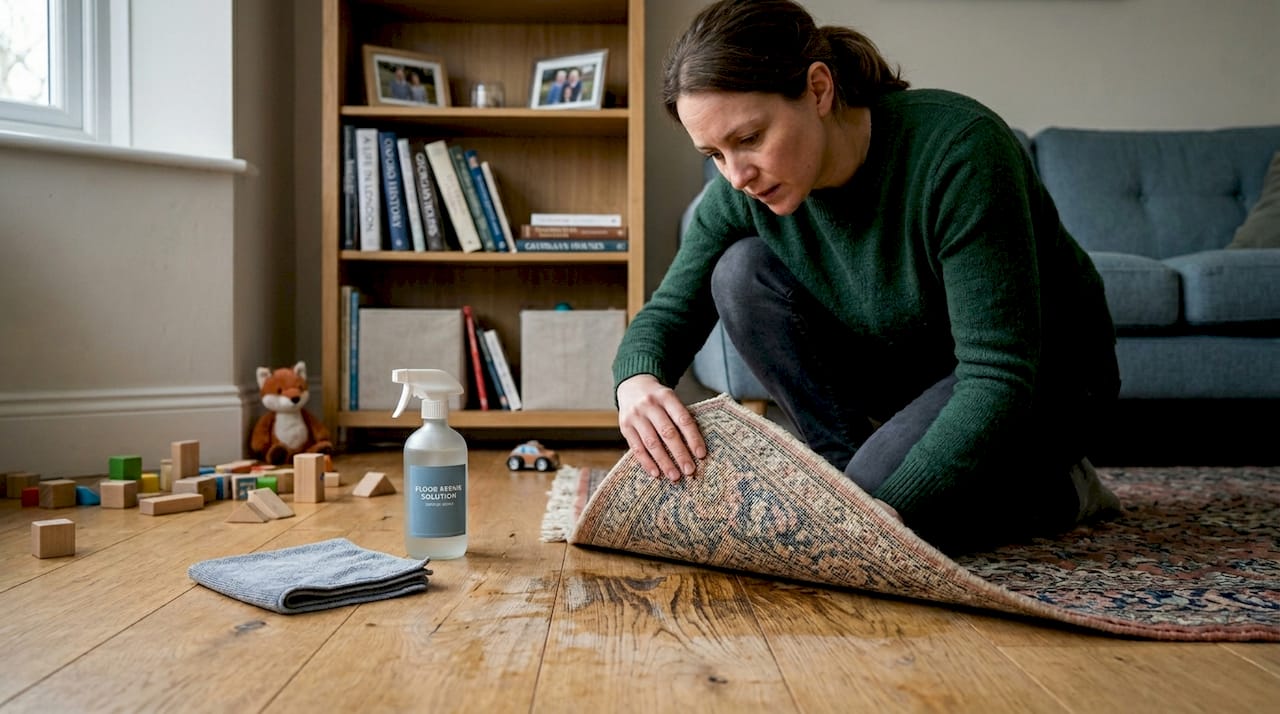
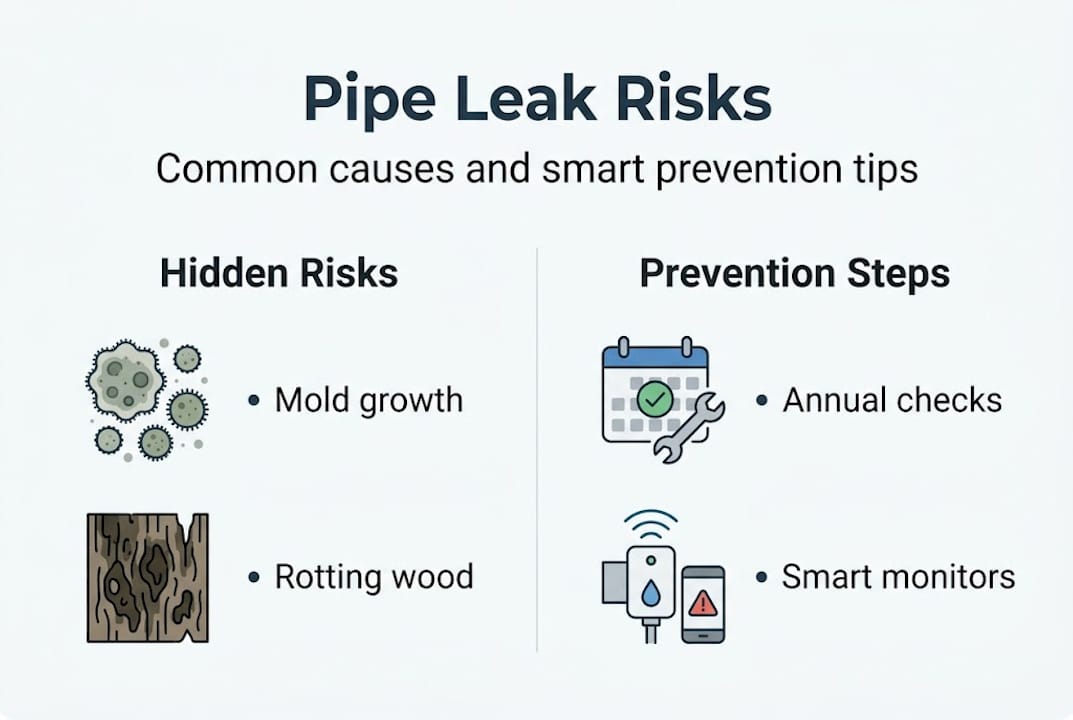
Beyond the water bill, the true cost lies in what water does to your home over time. Moisture inside walls encourages mould growth, which poses genuine health risks, particularly for young children, the elderly, or anyone with respiratory conditions. Left untreated, damp and rot can spread to timber joists, plasterboard, and even the foundations of your home.
The hidden damage cycle
Here is the pattern we see repeatedly with Reading homeowners who contact us after a leak has gone undetected:
- Initial stage: A small joint failure or pipe corrosion begins. No visible signs.
- Weeks two to four: Moisture saturates insulation, timber, or concrete behind finished surfaces.
- Month two onwards: Mould begins growing inside wall cavities. Paint starts to bubble.
- Month three or later: A stain appears on the ceiling or wall. The homeowner notices the problem.
By month three, what started as a £150 repair has often grown into a job costing several thousand pounds, once mould remediation, replastering, and possibly floor or ceiling replacement are factored in.
Early detection and repair are far more cost-effective than reactive cleanup, because water can begin causing hidden damage well before it becomes visible to you. Understanding plumbing pricing insights before you need emergency work helps you act quickly without being caught off guard by costs.
"The danger with pipe leaks is not just what you see. It's the weeks of invisible damage before you ever notice a stain or smell damp. Catching it early is always the smarter, cheaper move." — Plumbing industry guidance, aligned with DEP leak guidance
Knowing how plumbing emergency protection works before something goes wrong is equally valuable. Being prepared means faster action when it matters most.
Why prevention is smarter than reaction
Understanding the high costs of a leak, it becomes clear that preventing leaks in the first place is always the wiser move than scrambling to deal with an emergency. The comparison between proactive and reactive approaches tells a stark story.
The cost comparison
| Approach | Typical cost | Outcome |
|---|---|---|
| Annual plumbing inspection | £80 to £150 | Problems identified early |
| Sealing a minor joint before failure | £100 to £300 | Damage prevented entirely |
| Emergency call-out for burst pipe | £250 to £600 | Immediate repair, no guarantees |
| Water damage restoration (walls/floors) | £1,000 to £10,000+ | Extensive works needed |
| Mould remediation | £500 to £3,000 | Health risk resolved late |
The numbers make the case clearly. Spending a modest amount each year on inspections and minor maintenance can save you from costs that run into thousands. Early detection removes the element of surprise that makes emergency plumbing so expensive, both financially and emotionally.
Steps to prevent pipe leaks at home
- Schedule an annual plumbing inspection. A professional will check joints, fittings, seals, and pipe condition throughout your home, including areas you cannot easily access.
- Monitor your water meter regularly. Turn off all water appliances, note the meter reading, wait two hours, and check again. Any movement suggests a leak somewhere in the system.
- Insulate exposed pipes before winter. Pipes in lofts, garages, and external walls are vulnerable to freezing. Frozen pipes expand and crack, leading to leaks when they thaw.
- Check under sinks and around appliances monthly. A quick visual check of washing machine hoses, dishwasher connections, and under-sink pipework takes minutes and can catch problems early.
- Address drips and slow taps immediately. A dripping tap is not a minor nuisance. It is your plumbing system telling you a washer, seal, or fitting needs attention.
Our detailed leak detection methods guide covers how professionals use acoustic sensors, thermal imaging, and pressure testing to find leaks that homeowners simply cannot spot themselves. These tools have transformed what is possible in early detection.
Pro Tip: Smart water monitors, which attach to your mains supply and alert you via an app when unusual flow is detected, are increasingly affordable. Some models can automatically shut off your water supply if a major leak is detected, limiting damage even when you are away from home.
From an insurance perspective, the distinction between a leak caught early and one that caused visible structural damage is enormous. Insurers often look at whether reasonable maintenance steps were taken. Proactive prevention is your best argument if you ever need to make a claim. Following a solid plumbing maintenance checklist throughout the year puts you in a far stronger position.
Insurance and maintenance: What homeowners should know
Beyond prevention, knowing what your home insurance covers and where it falls short is essential for genuine peace of mind. Many Reading homeowners are surprised to discover that their policy does not cover everything they assumed.
What insurers typically check
When you make a claim for pipe or water damage, your insurer will assess several key factors before deciding whether to pay out:
- Evidence of regular maintenance. Insurers look for records showing that your plumbing has been inspected and serviced over time.
- How long the leak was present. A sudden burst is treated differently from a slow, gradual leak that has been present for months.
- Whether early warning signs were ignored. If a surveyor finds signs that damp had been developing long before the claim, this can reduce or eliminate the payout.
- Age and condition of pipework. Older homes with outdated pipework may face higher scrutiny.
- Whether repairs were carried out promptly. Delaying a known repair weakens your claim significantly.
Coverage depends heavily on whether reasonable maintenance steps were taken. Pipe repair or replacement is often not covered if the insurer concludes that neglect contributed to the damage. This is a critical point that many homeowners overlook until it is too late.
Keeping records that protect you
Pro Tip: Keep a simple home maintenance log. Note every plumbing inspection, repair, or check you carry out, including dates, the name of the engineer, and any work done. Photographs of pipework before and after repairs are also worth saving. This documentation can be the difference between a successful claim and a rejection.
A proper plumbing inspection guide can help you understand exactly what a thorough inspection covers, so you know what to ask your engineer and what records to request from them. Understanding emergency plumbing essentials in advance also means you respond correctly and quickly when something does go wrong, which in turn supports any insurance process.
It is also worth knowing the questions to ask your plumber before work begins. Asking for written confirmation of the diagnosis, proposed repair method, and materials used creates a paper trail that is valuable both practically and for insurance purposes.
Considering pipe insurance guidelines carefully before you need them means you will not be making rushed decisions in the middle of an emergency. Read your policy now, whilst everything is calm, and address any gaps before they matter.
Practical steps: Preventing pipe leaks at home
Armed with an understanding of the risks and insurance implications, it is time to look at what you can actually do right now to prevent leaks in your Reading home. Prevention does not require specialist knowledge. It requires consistency.
Your step-by-step routine
- Inspect visible pipework every three months. Look for signs of corrosion, discolouration, or moisture around joints.
- Test your water pressure. Very high water pressure strains joints and seals over time. Fit a pressure reducing valve if your pressure regularly exceeds 3 bar.
- Check washing machine and dishwasher hoses annually. Replace rubber hoses every five years regardless of apparent condition. They degrade from the inside out.
- Look at your boiler's pressure gauge monthly. Consistently low pressure can indicate a hidden system leak.
- Clear gutters and drains seasonally. Blocked drains force water back towards foundations and can contribute to damp and pipe stress in older homes.
- Book a professional plumbing inspection each year. This is the single most effective step you can take to catch issues before they escalate.
Early warning signs every homeowner should recognise
- An unexplained water bill spike that has no obvious cause
- A persistent musty smell in rooms, particularly near walls or under floors
- Damp patches, discolouration, or bubbling paint on ceilings or walls
- The sound of running water when no taps or appliances are on
- Soft or spongy areas in wooden floors
- Visible rust or green staining around pipe joints
Pro Tip: If your water meter is still moving after you have turned off every tap and appliance in your home, you almost certainly have a leak somewhere in your supply pipes. Call a local plumber before investigating further, as DIY investigation can sometimes make a hidden leak worse.
Reviewing your full maintenance checklist regularly gives you a structure to follow rather than relying on memory. If you are unsure whether your home's plumbing meets current standards, checking the latest plumbing regulations 2026 is a sensible step that many Reading homeowners overlook until they are selling or renovating.
Why temporary fixes aren't enough: A plumber's view
Over the years, we have seen the same pattern repeat itself: a homeowner notices a small leak, wraps a cloth around the pipe, uses a temporary repair tape, or tightens a fitting by hand, and tells themselves they will sort it out properly later. Later rarely comes until the damage is far worse.
Temporary fixes may stop or slow a leak briefly, but they rarely address the root cause. Corrosion does not stop because you have taped over it. A degraded seal continues to fail. Pressure imbalances that caused the original joint to weaken will stress the next weak point in the system. The leak moves or returns. Often, the temporary patch creates a false sense of security that delays proper repair by weeks or months, during which hidden damage continues.
What we consistently find is that by the time a homeowner calls us after a failed temporary repair, there are secondary problems that would not have existed had they called a professional at the first sign of trouble. Proper diagnosis, not just patching, is what lasting prevention requires. We work across Reading and nearby areas, including supporting plumbers in Tilehurst homes, and the pattern is universal. Get it checked. Get it fixed properly. It is always the cheaper decision in the long run.
Solve pipe leaks with trusted local support
Prevention and preparation go a long way, but sometimes you need a professional to step in quickly.

At Your Local Plumber, we provide fast, reliable leak detection and repair across Reading and the surrounding area. Whether you have spotted an early warning sign or you are dealing with something more urgent, our experienced engineers are available around the clock. You can review our plumbing success stories to see the kind of work we carry out for local homeowners every day. We also support homeowners in nearby areas, including those looking for a local plumber in Swindon. For trusted local support across the region, Your Local Plumber is ready to help you protect your home before a small problem becomes a serious one.
Frequently asked questions
How much water can a small pipe leak waste?
A faucet dripping once per second can waste over 3,000 gallons per year, which translates directly into higher water bills and unnecessary expense.
Will home insurance cover damage from pipe leaks?
Insurance often covers sudden pipe damage, but gradual or neglected leaks may not be covered if the insurer determines that reasonable maintenance was not carried out.
What are early signs of a pipe leak?
Look for unexplained water bill spikes, damp patches on walls or ceilings, a musty smell, and soft spots in flooring, as these are the most common early indicators.
Is a temporary fix for a pipe leak enough?
Temporary fixes rarely address the root cause, such as corrosion or pressure imbalances, meaning the leak will likely return, so professional repair is needed for a lasting result.