TL;DR:
- Hidden leaks are slow, undetected water escapes within walls, floors, and ceilings that can cause severe structural damage over time. Early detection through monitoring water bills, moisture tests, and alarms prevents costly repairs and maintains property value. Regular plumbing inspections and pressure management are essential to avoiding hidden leak damage and safeguarding health and home integrity.
Hidden leaks are slow, undetected water escapes inside walls, floors, and ceilings that silently degrade your home's structure long before you notice any visible damage. Understanding why prevent hidden leaks matters is straightforward: the longer a leak goes undetected, the more expensive and dangerous the consequences become. Mould growth can begin within 24–48 hours of a leak starting, saturating drywall and insulation almost immediately. Water heaters, which typically last 8–12 years, can release 40–80 gallons of water upon failure, turning a slow drip into a flood. Early detection is not optional. It is the difference between a minor repair bill and a structural rebuild.
Why prevent hidden leaks before they escalate
The term "hidden leak" is the everyday description most homeowners use. Plumbers refer to these as concealed or non-visible leaks, meaning any water escape that occurs inside building fabric rather than at an exposed fitting or tap. The distinction matters because concealed leaks follow structural pathways, travelling along timber framing, pipe routes, and insulation batts far from their source. By the time a damp patch appears on your ceiling or a floorboard warps, the leak has often been active for weeks.
The financial case for prevention is clear. Deferred maintenance resulting in water damage can lead to claim denials by insurers, leaving you to cover repair costs entirely. A leak caught early by a plumber costs a fraction of what structural remediation, mould treatment, and insulation replacement will set you back combined.
What are the signs of hidden leaks in a home?
Spotting a concealed leak early requires knowing what to look for beyond the obvious puddle. The signs are often subtle and easy to dismiss as normal household wear.
Watch for these indicators:
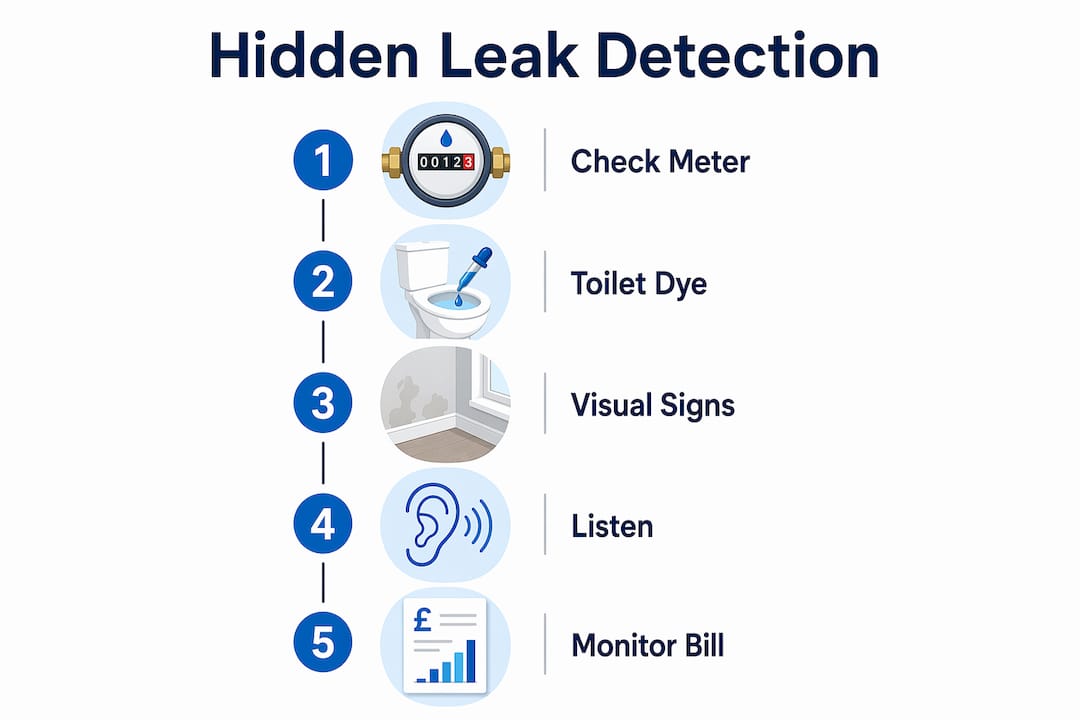
- Unexpectedly high water bills. If your usage has not changed but your bill has risen, water is escaping somewhere in your system.
- Damp patches, peeling paint, or bubbling wallpaper. Moisture migrating through walls causes surface finishes to lift and discolour.
- Musty or earthy odours. This is often the first sign of mould growth behind plasterboard or under flooring.
- Warped or springy floorboards. Timber absorbs moisture and swells, causing boards to lift or feel soft underfoot.
- Sticky doors and windows. Frames expand when the surrounding structure absorbs water, making them difficult to open or close cleanly.
- A running water meter with all taps off. Turn off every tap and appliance, then check your meter. If the dial still moves, you have a leak somewhere in the system.
Two reliable DIY tests are worth knowing. The toilet dye test involves dropping food colouring into the cistern and waiting 15 minutes without flushing. If colour appears in the bowl, the flapper valve is leaking. Moisture scanning, carried out by a professional using a thermal imaging camera or a pin-type moisture metre, can locate water behind walls without any destructive investigation.
Pro Tip: Check your water metre reading before bed and again first thing in the morning without using any water overnight. A change in the reading confirms an active leak somewhere in your home.
How do hidden leaks damage your home?
Slow leaks cause more structural damage than burst pipes. That claim surprises most homeowners, but the reasoning is straightforward. A burst pipe forces an immediate response. A hidden leak feeds moisture into your structure continuously for weeks or months, and nobody acts because nobody knows it is there.
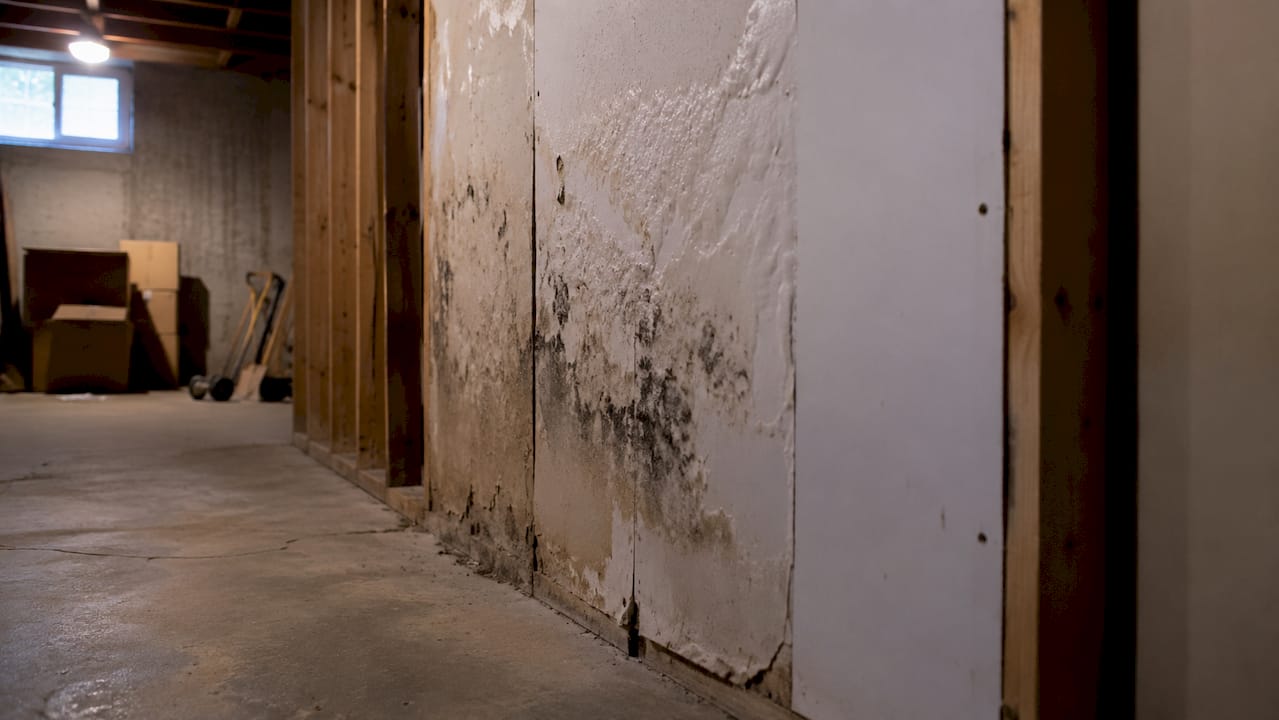
Within 24–48 hours of a leak beginning, drywall and insulation become saturated. Saturated insulation loses its thermal performance, raising your heating bills even before you discover the leak itself. Timber framing begins to swell and soften. Adhesives that hold structural panels together start to fail. Water migrates along structural elements well beyond the leak point, meaning the visible damage you eventually find represents only part of the affected area.
In colder parts of the UK, freeze-thaw cycling causes cumulative pipe stress, creating microcracks that widen gradually over years. These are the leaks most likely to go undetected because the initial water loss is minimal.
| Factor | Burst Pipe | Hidden Leak |
|---|---|---|
| Detection speed | Immediate | Weeks to months |
| Initial water volume | High | Low |
| Structural damage over time | Moderate | Severe |
| Mould risk | Lower (fast response) | High (prolonged moisture) |
| Repair complexity | Pipe replacement | Pipe plus structural remediation |
"A hidden leak's water damage is often far more extensive than visible signs suggest, as water migrates along structural elements well beyond the leak itself." — Rick's Plumbing Service
The comparison above makes the case plainly. Burst pipes are dramatic but manageable. Concealed leaks are quiet and catastrophic if left alone. Understanding why fix a water leak promptly is not just about the immediate repair. It is about stopping a process that compounds every day it continues.
What practical methods prevent hidden leaks?
Preventing water damage from concealed leaks does not require expensive technology. Most of the most effective measures cost very little and take under an hour to implement.
-
Schedule annual plumbing inspections. A qualified engineer can identify early signs of pipe corrosion, joint failure, and pressure irregularities before they develop into leaks. This is the single highest-value preventive step you can take.
-
Maintain water pressure between 45–65 PSI. Residential water pressure above 65 PSI stresses pipe joints and fittings, accelerating wear. Fit a pressure-reducing valve if your supply pressure runs high. You can check your home plumbing pressure with an inexpensive gauge from any hardware shop.
-
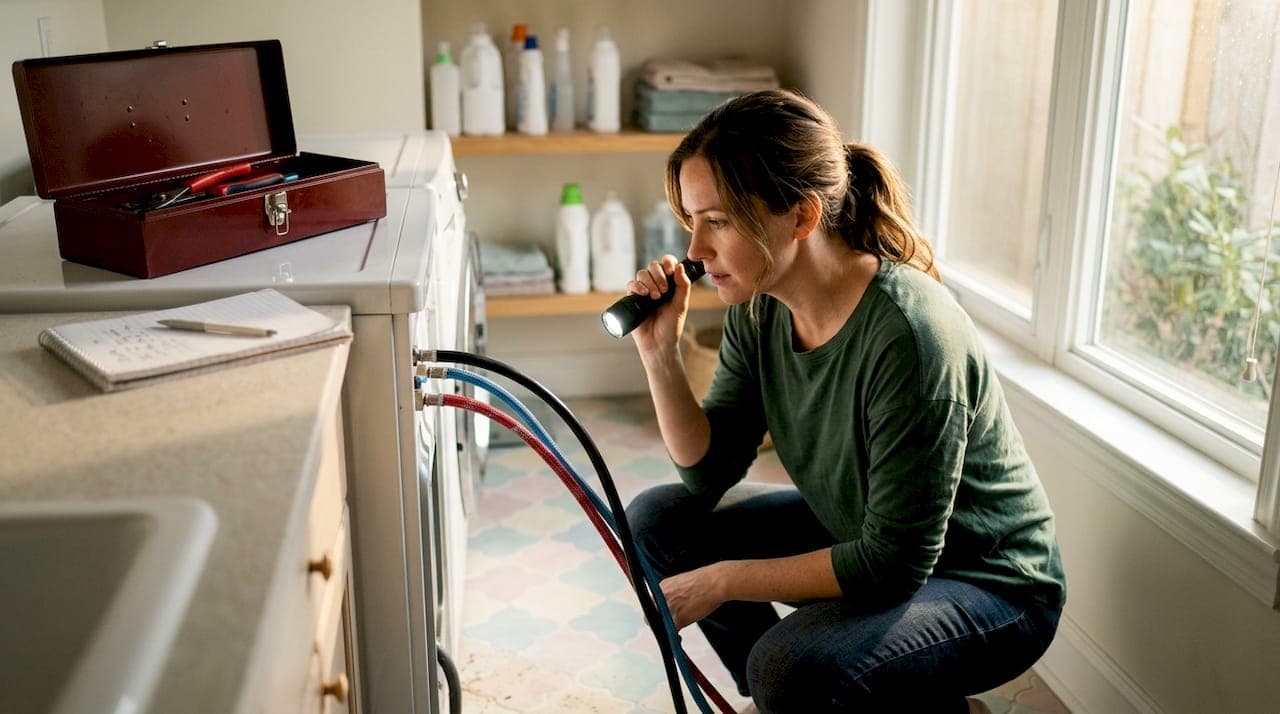
Install leak detection alarms near vulnerable appliances. Battery-powered detectors cost £10–£30 and sound an alarm the moment they contact water. Place them beneath the washing machine, dishwasher, water heater, and under bathroom sink cabinets. You can read more about how leak detectors work and where to position them for maximum coverage.
-
Replace rubber washing machine hoses with braided stainless steel. Rubber hoses are a leading cause of indoor flooding. Braided stainless steel replacements cost £15–£20 and are far more resistant to splitting and pressure fatigue.
-
Clean gutters twice a year and extend downspouts. Extending downspouts 4–6 feet from your foundation directs water away from the building envelope. Blocked gutters cause water to pool against fascia boards and eventually penetrate the roof structure.
-
Monitor your water heater's age. A heater approaching or past 12 years old is a significant risk. Plan its replacement proactively rather than waiting for failure.
Pro Tip: Set a calendar reminder every six months to check under sinks, behind the washing machine, and around the base of the water heater. A two-minute visual check twice a year catches the majority of early-stage leaks.
How does preventing leaks protect property value and health?
The importance of leak detection goes well beyond avoiding a repair bill. Concealed moisture affects your home's value, your family's health, and your ability to make a successful insurance claim.
Key reasons to stay ahead of hidden leaks in homes:
- Insurance claim validity. Deferred maintenance leading to water damage is a common basis for claim denial. Insurers expect homeowners to take reasonable steps to prevent damage. Documented inspections and maintenance records support your position if a claim is ever disputed.
- Mould and respiratory health. Persistent moisture feeds mould colonies inside wall cavities and under floors. Mould spores circulate through your home's air, aggravating asthma, allergies, and respiratory conditions. Children and elderly residents are most vulnerable.
- Insulation performance. Saturated insulation loses its thermal resistance. Your boiler works harder, your energy bills rise, and the insulation itself may need full replacement once wet.
- Foundation integrity. Leaks that reach the ground floor or external walls can cause soil erosion and expansion around your foundations. Over time, this leads to subsidence, which is one of the most expensive structural problems a homeowner can face.
- Property sale value. Buyers and surveyors identify water damage quickly. Evidence of past leaks, mould staining, or structural movement will reduce your property's value and complicate any sale.
Proactive inspection is the only reliable way to maintain long-term home value, given that water intrusion in foundations and structures is effectively inevitable over a building's lifetime. The question is not whether your home will face moisture challenges. It is whether you catch them early enough to manage them cheaply.
Key takeaways
Preventing hidden leaks is the most cost-effective way to protect your home's structure, value, and indoor air quality before damage becomes irreversible.
| Point | Details |
|---|---|
| Act within 48 hours | Mould growth begins within 24–48 hours of a leak starting, so speed of detection matters. |
| Slow leaks cause most damage | Concealed leaks cause more structural harm than burst pipes due to prolonged, undetected moisture. |
| Pressure management prevents leaks | Keep water pressure between 45–65 PSI to reduce stress on pipe joints and fittings. |
| Low-cost tools make a difference | Leak detection alarms at £10–£30 and braided steel hoses at £15–£20 are highly effective upgrades. |
| Prevention protects insurance cover | Documented maintenance reduces the risk of claim denial if water damage does occur. |
The silent threat most homeowners underestimate
I have seen the aftermath of concealed leaks in homes where the owners had no idea anything was wrong. A slow drip behind a kitchen unit, active for three months, had rotted the base cabinet, saturated the subfloor, and started working into the timber sole plate. The visible damage took an afternoon to find. The repair took two weeks and cost several thousand pounds.
What strikes me every time is how preventable it was. A £15 leak alarm under the sink would have caught it within days. An annual check by a competent engineer would have spotted the failing compression fitting before it ever started weeping. The homeowners were not negligent. They simply did not know what to look for or how quickly things could deteriorate.
The plumbing industry has genuinely improved its detection tools in recent years. Thermal imaging cameras, acoustic leak detectors, and tracer gas systems can now locate concealed leaks without opening a single wall. These are not exotic technologies. Your-local-plumber uses them as standard. The barrier to early detection is no longer technical. It is awareness.
My honest advice: treat your plumbing the way you treat your boiler. Service it regularly, know the age of your key components, and fit basic alarms near the appliances most likely to fail. The best plumbing practices for 2026 are not complicated. They are consistent. The homes that avoid serious water damage are not lucky. They are maintained.
— Michael
Protect your home with professional leak detection
Hidden leaks rarely announce themselves. By the time you see the damage, the repair bill is already climbing. Your-local-plumber provides professional leak detection services for homeowners across the UK, using thermal imaging and acoustic detection to locate concealed leaks without unnecessary disruption to your property.

Whether you have noticed a suspicious rise in your water bill, a damp smell you cannot trace, or you simply want peace of mind before winter, Your-local-plumber's experienced engineers can carry out a full plumbing inspection and advise on the right prevention measures for your home. Transparent pricing, fast response times, and no call-out surprises. Book your inspection today at your-local-plumber.co.uk.
FAQ
What causes hidden leaks in homes?
Hidden leaks most commonly result from corroded pipe joints, failed rubber hose connections, high water pressure above 65 PSI, and freeze-thaw stress on pipes in colder climates. Ageing water heaters are also a significant source of concealed water loss.
How quickly does a hidden leak cause serious damage?
Mould growth begins within 24–48 hours of a leak starting, and drywall and insulation saturate in the same timeframe. Structural damage to timber framing accumulates over weeks and months if the leak remains undetected.
Can i detect a hidden leak myself?
Yes. Check your water metre with all taps off, use the toilet dye test to identify cistern leaks, and look for damp patches, peeling paint, or musty odours. For leaks inside walls or under floors, a professional with a moisture metre or thermal imaging camera will give you a definitive answer.
Do hidden leaks affect my home insurance?
Deferred maintenance leading to water damage can result in insurers denying claims. Keeping records of inspections and repairs demonstrates reasonable upkeep and strengthens your position if you need to make a claim.
Are leak detection alarms worth fitting?
Battery-powered leak alarms cost £10–£30 and provide immediate warning when water contacts the sensor. Placed near washing machines, dishwashers, and water heaters, they are one of the most cost-effective ways to catch a developing leak before it causes serious damage.