TL;DR:
- Smart plumbing systems use sensors and automation to detect leaks and reduce water damage risk.
- UK homeowners are adopting proactive maintenance tools like leak detectors, shut-off valves, and smart meters.
Smart plumbing technologies are automated, sensor-driven systems that monitor, detect, and control water usage and leaks to protect homes and cut costs. For UK homeowners and property managers, these devices represent a shift from reactive repairs to proactive maintenance. The average UK home water damage claim costs £3,200, yet most smart leak detectors cost between £30 and £150. That gap makes the case for adoption clearer than any marketing pitch. This guide covers the most practical and proven entries in the smart plumbing technologies list for 2026.
1. Smart leak detection devices
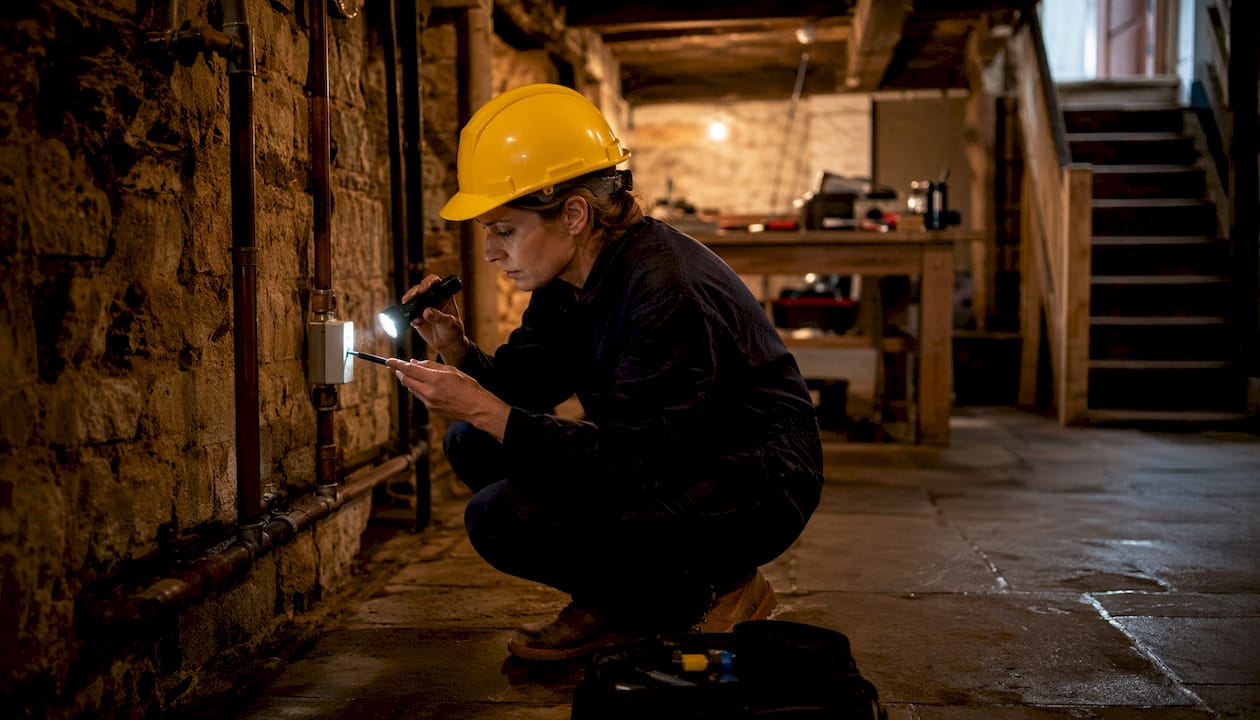
Smart leak detectors are the most accessible entry point in any smart plumbing technologies list. Basic single-point sensors cost £30–£40, while full automatic shut-off systems run £130–£150 plus installation. You place them near washing machines, under sinks, or beside boilers, and they alert your smartphone the moment moisture is detected.
These devices work best as part of a sensor hub network. A hub connects multiple sensors across a property and reports to a single app. That matters in larger homes or managed blocks where a single sensor would miss a leak in a distant bathroom.
Pro Tip: Choose a sensor hub system rather than standalone units if your property has more than three wet rooms. A hub gives you a single dashboard and reduces the risk of missing an alert from a forgotten sensor.
2. Automatic water shut-off valves
An automatic shut-off valve is the logical partner to a leak sensor. Once a sensor triggers, the valve closes the water supply within 30–60 seconds, stopping thousands of litres from flooding your home. Smartphone notifications arrive within 10–30 seconds of detection, so you know what is happening even when you are away.
Shut-off valves fit onto the mains supply pipe and are operated by a motorised actuator. Installation requires a qualified plumber, but the device itself is compact. For property managers overseeing multiple units, remote shut-off capability removes the need for an emergency site visit before damage escalates.
Combining moisture sensing with flow-anomaly detection gives you multi-layered leak defence. The system can isolate a specific zone rather than cutting water to the entire building, which is far less disruptive for occupied properties.
3. LoRaWAN-connected sensor systems
Most smart home devices rely on Wi-Fi, but Wi-Fi struggles through thick masonry walls common in UK Victorian and Edwardian properties. LoRaWAN radio technology solves this. It offers up to 10 years of battery life and penetrates dense walls without new cabling, making it the preferred protocol for retrofitting older buildings.
LoRaWAN sensors transmit small data packets over long distances using very little power. That means a sensor installed in a basement plant room can report to a cloud platform without a Wi-Fi extender or new wiring run. For property managers retrofitting a Victorian terrace or a period commercial building, this removes the biggest installation barrier.
The technology is already mainstream in smart water management systems across UK social housing and commercial estates. Its adoption in residential properties is growing quickly as the hardware cost falls.
4. Ultrasonic clamp-on flow meters
Ultrasonic clamp-on flow meters measure water usage on live pipes without cutting into them. They fit pipes from DN8 to DN100 and measure bi-directional flow with no shutdowns required. That makes them the go-to choice for occupied buildings where disruption is not acceptable.
The meters work by sending ultrasonic pulses through the pipe wall and calculating flow rate from the signal transit time. No part of the meter touches the water. Installation takes minutes compared to the hours needed for an inline meter replacement.
For property managers, clamp-on meters enable fair billing by sub-metering individual flats or commercial units. They also feed anomaly detection platforms that flag unusual consumption patterns, catching slow leaks that sensors might miss.
| Feature | Clamp-on ultrasonic meter | Standard inline meter |
|---|---|---|
| Installation disruption | None, fits live pipe | Requires pipe cut and shutdown |
| Pipe size range | DN8–DN100 | Varies by model |
| Bi-directional flow | Yes | Typically no |
| Retrofit suitability | High | Low |
5. MID-approved sub-metering for tenant billing
Clamp-on meters are excellent for monitoring, but MID approval is mandatory for any meter used to bill tenants. MID stands for the Measuring Instruments Directive, the EU-derived standard retained in UK law. Non-MID devices are unlawful for billing water usage to tenants.
The practical rule is straightforward. Use clamp-on meters for operational monitoring and anomaly detection. Pair them with MID-certified inline meters installed at each individual demise for legal recharging. This two-tier approach gives you the retrofit convenience of clamp-on technology alongside full legal compliance.
Property managers who ignore this distinction risk billing disputes and potential regulatory action. Your-local-plumber recommends confirming meter certification before any sub-metering installation.
6. Smart water heaters and heating controls
Smart water heaters connect to Wi-Fi and allow you to set heating schedules, monitor energy consumption, and adjust temperature remotely. The practical benefit is that you stop heating water when nobody is home. For a property manager with multiple units, remote monitoring flags a heater running continuously, which often signals a fault before it becomes a failure.
Automated usage analytics built into these systems track daily consumption patterns. Over weeks, the data reveals whether a property is using significantly more hot water than expected, which can indicate a hidden leak on the hot water circuit.
Smart thermostatic controls also support compliance with efficiency standards. The UK's Part L building regulations require new and replacement heating systems to meet minimum efficiency thresholds. Smart controls make it easier to demonstrate compliance and reduce energy waste simultaneously.
7. Automated Legionella compliance systems
Legionella management is a legal duty for property managers under the Health and Safety at Work Act 1974 and the Approved Code of Practice L8. Manual compliance involves regular temperature checks, flushing logs, and site visits. Automated smart monitoring systems replace manual logbooks with digital records and autonomous flushing, reducing both administrative load and the risk of missed checks.
These systems monitor water temperature continuously and trigger flushing cycles automatically when a tap or outlet has not been used for a set period. Every action is logged with a timestamp and stored in an auditable cloud record. That record is available instantly during an inspection.
For property managers running HMOs, care homes, or commercial buildings, this technology removes one of the most time-consuming compliance tasks. The reduction in site visits alone can justify the installation cost within the first year.
8. Smart water butts and weather-linked irrigation controls
Smart water butts connect to live UK weather forecasts and release stored water before heavy rain arrives. This Weather-Smart mode prevents overflow, reduces surface water runoff, and supports compliance with Sustainable Drainage Systems requirements, known as SuDS.
SuDS compliance is increasingly relevant for new builds and extensions in England and Wales following planning policy updates. A smart water butt that actively manages its own capacity contributes to the drainage calculations that planners require.
For garden irrigation, weather-linked controls prevent watering when rain is forecast, cutting water waste significantly. The system integrates with soil moisture sensors in more advanced setups, so irrigation only runs when the ground actually needs it. You can find more plumbing sustainability tips for UK homeowners that complement these devices well.
9. Smart water management platforms
Individual devices become far more powerful when connected to a central smart water management platform. These platforms aggregate data from leak sensors, flow meters, shut-off valves, and heating controls into a single dashboard. Alerts, usage trends, and compliance records all appear in one place.
Smart water management is becoming a mainstream expectation alongside lighting, heating, and security controls. Property managers who adopt these platforms now are building a competitive advantage in a market where tenants increasingly expect connected building services.
The platforms typically offer tiered access. A homeowner sees their own property data. A property manager sees all units in a portfolio. An engineer gets diagnostic detail for fault-finding. That layered access model makes the technology practical at every scale.
Key takeaways
Smart plumbing technologies deliver the strongest return when leak detection, automatic shut-off, and flow monitoring work together as a connected system rather than as isolated devices.
| Point | Details |
|---|---|
| Leak detectors pay for themselves | Basic sensors cost £30–£150; average UK water damage claims reach £3,200. |
| Shut-off valves stop damage fast | Automatic valves close the water supply within 30–60 seconds of a leak alert. |
| LoRaWAN suits older UK buildings | Up to 10 years of battery life and no new cabling needed through masonry walls. |
| MID approval is a legal requirement | Only MID-certified meters can be used to bill tenants for water usage in the UK. |
| Platforms multiply device value | A central dashboard turns individual sensors into a full property management tool. |
What I've learnt from watching smart plumbing take hold in UK homes
The shift I find most significant is not the technology itself. It is the change in mindset. Homeowners who install a smart leak detector stop thinking about plumbing only when something goes wrong. They start treating water the same way they treat home security: something worth monitoring continuously.
The barrier I hear most often is cost. People see £130 for a shut-off system and compare it to doing nothing. The right comparison is £3,200 for a water damage claim, plus the disruption of living through a repair. When you frame it that way, the maths are obvious. Insurers are starting to agree. Some UK home insurers now offer reduced premiums for properties with certified leak detection installed.
My honest advice is to start with one or two sensors in the highest-risk locations: under the kitchen sink, behind the washing machine, and near the boiler. Get comfortable with the app. Then add a shut-off valve. Do not try to install everything at once. The advantages of smart plumbing compound over time, but only if the system is installed correctly and maintained.
The one thing I would caution against is DIY installation of shut-off valves and flow meters. These devices sit on your mains supply. A poor connection causes the exact problem you are trying to prevent. Professional installation is not an upsell. It is the difference between a system that works and one that fails silently.
— Michael
Your-local-plumber and smart plumbing installations
Smart plumbing devices protect your home, but only when they are fitted correctly and maintained over time. Your-local-plumber installs smart leak detectors, automatic shut-off valves, and flow meters across UK properties, with transparent pricing and experienced engineers who know the specific demands of British housing stock.

Whether you are a homeowner fitting your first sensor system or a property manager rolling out sub-metering across a portfolio, Your-local-plumber provides the technical expertise to get it right. Get in touch through the plumbing services page to discuss your requirements and receive a clear, no-obligation quote.
FAQ
What is the best smart leak detector for a UK home?
The best choice depends on property size. Single-point sensors suit smaller homes, while a sensor hub system covering multiple rooms offers better protection for larger properties or managed blocks.
How quickly does a smart shut-off valve stop a leak?
A smart shut-off valve closes the water supply within 30–60 seconds of a leak being detected, with a smartphone alert arriving in 10–30 seconds.
Do I need MID-approved meters to bill tenants for water?
Yes. MID approval is mandatory for any meter used to recharge tenants for water usage in the UK. Non-MID devices are not lawful for billing purposes.
Can smart plumbing sensors work in older UK buildings?
Yes. LoRaWAN-connected sensors penetrate thick masonry walls and run for up to 10 years on a single battery, making them well suited to Victorian and Edwardian properties without new cabling.
How do I implement smart plumbing in my home?
Start with sensors in high-risk areas such as under the kitchen sink and near the boiler, then add a shut-off valve once you are familiar with the system. Professional installation is strongly recommended for mains-connected devices. The best plumbing practices guide covers the full process in detail.