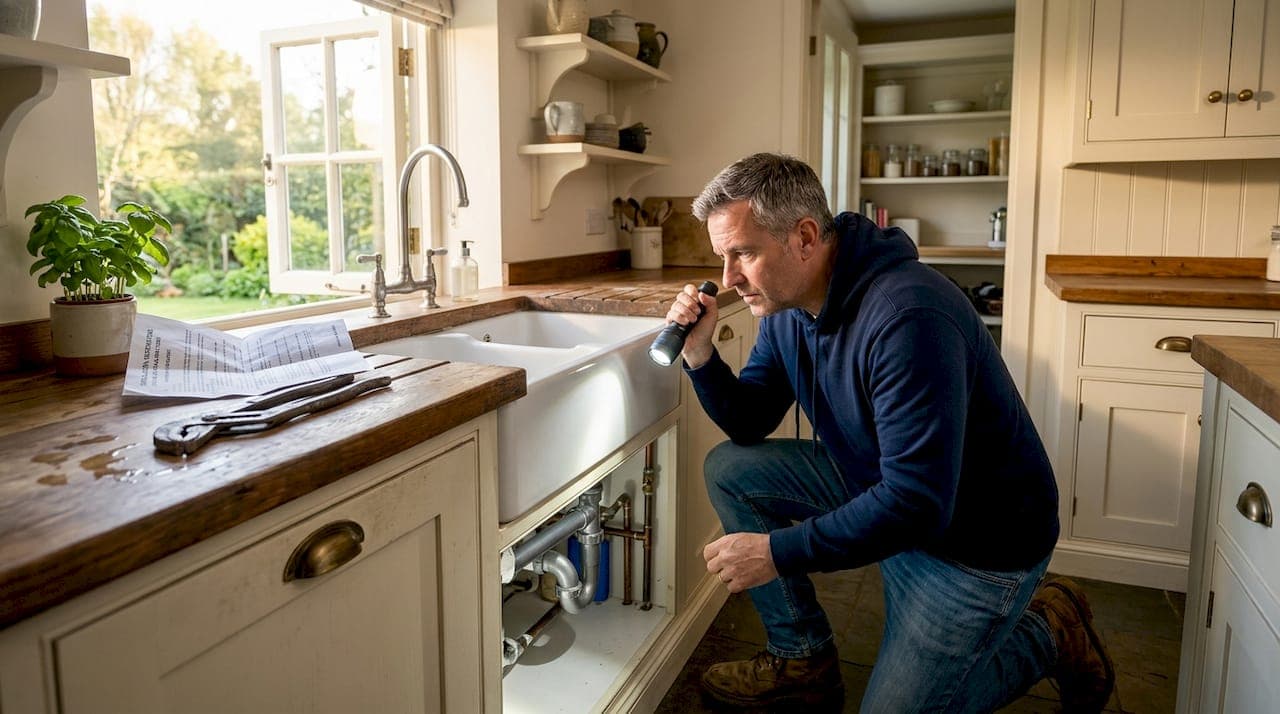
TL;DR:
- Most plumbing emergencies, such as leaks and frozen valves, are entirely preventable with proper maintenance and modern technology.
- Homeowners should regularly check their shut-off valves, conduct leak detection tests, and incorporate smart leak detectors for enhanced protection.
- Following current UK regulations, inspecting and pressure-testing plumbing before concealing and upgrading to reliable valves helps avoid costly repairs and water damage.
Leaking pipes, frozen valves, and unexpected water damage are the kind of plumbing nightmares that catch homeowners completely off guard. The good news? Most of them are entirely preventable. The best plumbing practices 2026 has to offer go well beyond "check for drips." They cover smart technology, modern compliance standards, and maintenance habits that protect your home for years to come. This guide cuts through the noise and gives you exactly what you need to keep your plumbing running efficiently, safely, and in line with current regulations.
Table of Contents
- Key takeaways
- 1. How to choose the best plumbing practices for your home
- 2. Leak detection and repair
- 3. Managing your main water shut-off valve
- 4. Plumbing inspections and pressure testing in 2026
- 5. Smart technology and modern plumbing upgrades for 2026
- What I have learnt after years of emergency plumbing calls
- How Your-local-plumber can help you stay ahead in 2026
- FAQ
Key takeaways
| Point | Details |
|---|---|
| Leak checks save money | Fixing household leaks saves roughly 10% on water bills and prevents structural damage. |
| Know your shut-off valve | Locate, label, and exercise your main shut-off valve twice a year to avoid seizure in emergencies. |
| Inspect before concealing | Plumbing must be inspected and pressure-tested before walls are closed to meet current code requirements. |
| Smart tech adds protection | IoT-enabled leak detectors and automatic shut-off valves are now practical, affordable home additions. |
| Compliance is non-negotiable | UK plumbing regulations in 2026 demand licensed oversight for significant work. DIY has limits. |
1. How to choose the best plumbing practices for your home
Before you start ticking boxes, it helps to have a framework for what "good plumbing practice" actually means. Not every tip applies equally to every home. The criteria below will help you prioritise what matters most.
- Compliance with current standards. The UK plumbing regulations for 2026 set minimum requirements for water pressure, pipe materials, and installation quality. Any work that ignores these creates legal and insurance headaches.
- Water conservation. Effective plumbing methods prioritise efficiency. Low-flow fixtures, proper pressure settings, and leak prevention all reduce both your bills and your environmental footprint.
- New technology. Smart monitoring devices and updated pipe materials have changed what is possible for the average homeowner. Ignoring these is leaving value on the table.
- DIY viability. Some tasks are genuinely safe for enthusiastic homeowners. Others require a licensed plumber. Knowing the difference saves time, money, and risk.
- Long-term cost-effectiveness. A cheap fix that fails in six months costs more than doing it correctly the first time. Sustainable plumbing solutions 2026 style means thinking in years, not weeks.
Pro Tip: Before you do anything else, read through our plumbing maintenance checklist for UK homeowners. It gives you a clear baseline to work from before tackling specific issues.
2. Leak detection and repair
Leaks are the silent budget killers of home ownership. Toilet leaks alone can waste up to 5,000 gallons per day, and a dripping faucet can burn through more than 3,000 gallons a year. Fixing leaks saves approximately 10% on water bills, which adds up fast over a year.
Here is how to approach leak detection methodically:
- Run the water meter test. Switch off every tap, appliance, and valve in your home. Check the meter reading, wait 15 minutes without using any water, then check again. A change in reading points to a leak somewhere in the system.
- Do the toilet dye test. Drop food colouring into your cistern and wait 10 minutes without flushing. If the coloured water appears in the bowl, your flapper seal is leaking and needs replacing. This is a common and inexpensive fix.
- Inspect faucets and showerheads. Drips at the spout usually mean a worn washer. Leaks around the base or handle suggest a failing O-ring. Both are straightforward replacements with basic tools.
- Check under sinks. Slow drips from supply lines or waste pipes leave telltale water stains on cabinet bases. Catching these early prevents mould and structural rot.
- Look at your external tap. Outdoor taps are frequently forgotten. A small, slow drip here can mean the valve body or compression fitting needs attention before winter.
Pro Tip: For a detailed walkthrough of the whole process, the step-by-step leak detection guide from Your-local-plumber walks you through finding and fixing the most common household leaks.
Call a professional if you find evidence of leaks behind walls, under concrete floors, or in your loft. These are not safe or practical DIY territory.
3. Managing your main water shut-off valve
This is the single most important piece of plumbing knowledge any homeowner can have. The main shut-off valve is your first and most powerful defence against catastrophic water damage. In an emergency, you need to be able to reach it and operate it within 30 seconds.
Here is what you should do now, not later:
- Locate it. In most UK homes, the internal stopcock is under the kitchen sink, in a utility cupboard, or near the front door. Your external stop tap is usually under a small cover in the pavement or driveway just outside your property.
- Label it clearly. Stick a tag or label directly on the valve. Take a photo and store it in your phone. Photograph the valve location and share it with anyone else who lives in or regularly visits the property.
- Exercise the valve twice a year. Turn it fully off and back on again every six months. This prevents mineral buildup from seizing the mechanism. Valves left untouched for years can become impossible to operate when you actually need them.
- Upgrade gate valves to ball valves. Older gate valves require multiple rotations and are prone to seizing. A ball valve closes fully with a simple quarter-turn and is far more reliable. If your stopcock is old and stiff, upgrading it is one of the best investments you can make.
- Test it under real conditions. Close the valve fully, then open a tap. Water should stop flowing completely. If it does not, the valve is failing and needs professional attention.
Never try to force a completely seized valve. You risk snapping the stem and making the situation significantly worse. Apply a little penetrating oil and wait, or call a local plumber to handle it safely.
4. Plumbing inspections and pressure testing in 2026
Whether you are renovating, extending, or fixing a repair, understanding modern inspection requirements will save you from the expensive mistake of closing up walls before your plumbing has been properly checked.
| Test type | Method | Standard required |
|---|---|---|
| Water pressure test (supply) | Fill system with water | 10 psi above operating pressure, held 15 minutes |
| Air pressure test (supply) | Pressurise with air | 50 psi held for 15 minutes, no drop |
| Drain/waste/vent water test | 10-foot head water column | Held for 15 minutes, no leakage |
| Drain/waste/vent air test | 5 psi air pressure | Held for 15 minutes, no drop |
The rough-in inspection must happen before any pipes are concealed. Skip this step and you may find yourself reopening walls at considerable expense. Inspectors need to witness pressure tests directly, and systems must be pressurised with a calibrated gauge.
Practical points to get right before inspection:
- Pipe supports must be fitted at the correct intervals. Unsupported pipes vibrate, and vibration creates leaks over time.
- Drainage pipes need the correct fall towards the soil stack, typically 18 to 45 millimetres fall per metre. Too little and waste sits in the pipe. Too much and liquid races ahead of solids.
- All venting must be correctly sized and routed. Poor venting causes slow drainage and syphoned traps.
Pro Tip: Never assume you can close a wall and "get it inspected later." Modern plumbing standards are clear: inspection before concealment is a requirement, not a suggestion.
5. Smart technology and modern plumbing upgrades for 2026
Top plumbing techniques 2026 includes embracing technology that was not practical or affordable for most homeowners just a few years ago. The options now available can genuinely transform how you protect and manage your home's water systems.
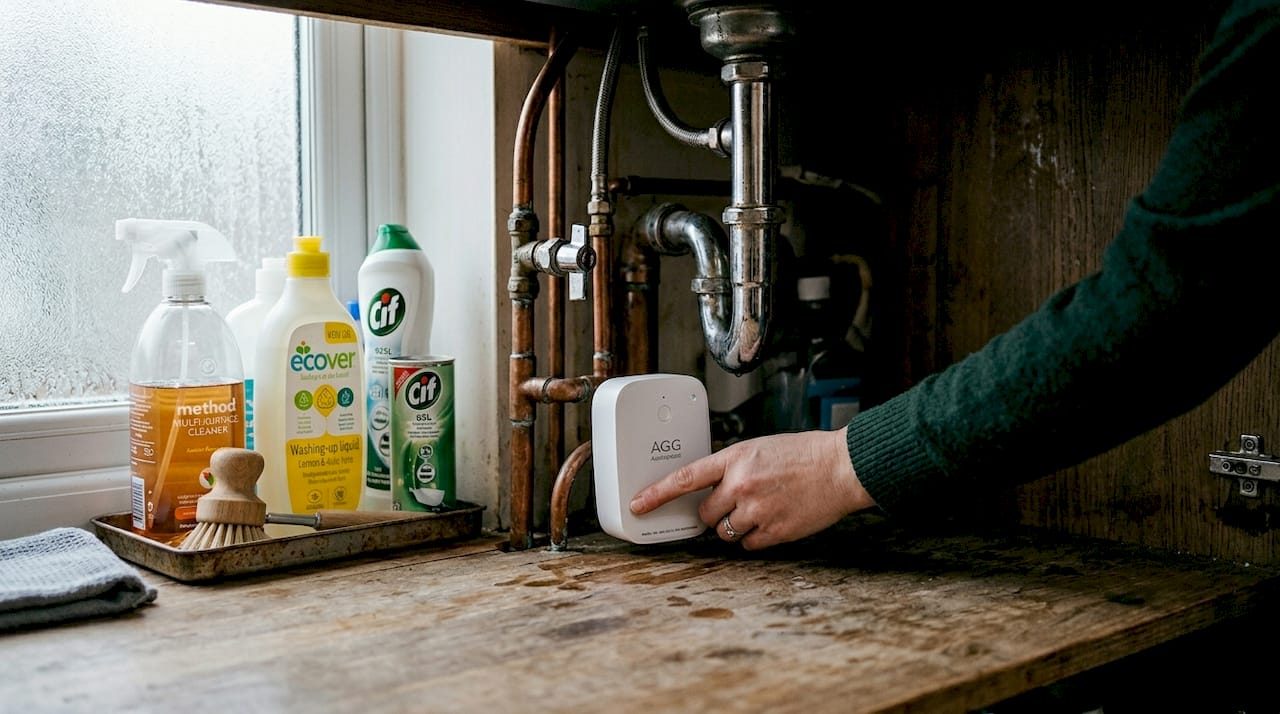
- Smart leak detectors. These small devices sit under sinks, behind appliances, and near boilers. When they detect moisture, they send an alert to your phone. Some IoT-enabled devices go further and automatically trigger a shut-off valve to stop water flow entirely.
- Whole-home water monitors. Devices like flow-based monitors track your household water use in real time. They can identify abnormal consumption patterns and alert you to slow leaks that would otherwise go unnoticed for weeks.
- Pipe insulation upgrades. Modern foam and foil-backed insulation products are simpler to fit than older lagging materials. For homes in colder regions, protecting pipes in loft spaces and garages against frost is still one of the most effective plumbing tips for 2026.
- Automatic shut-off valves. These can be fitted to your main supply and programmed to close if abnormal flow is detected. For second homes, holiday properties, or anyone who travels frequently, this is close to essential.
Combining traditional valve maintenance with smart detectors gives you the most complete level of protection currently available. Neither approach alone is as strong as both together.
What I have learnt after years of emergency plumbing calls
In my experience, the single most underestimated element of home plumbing maintenance is the shut-off valve. I have attended emergency calls where a burst pipe caused tens of thousands of pounds of damage, not because the pipe failed without warning, but because nobody in the house knew where the stopcock was or could operate it when it mattered.
I have also seen the other side. Homeowners who exercise their valves twice a year, keep them labelled, and have fitted a smart leak detector catch problems early. They call us for a quick repair rather than a full restoration. The difference is not luck. It is habit.
What I find frustrating is the false sense of security that comes with newer homes. Modern plumbing does not mean maintenance-free plumbing. Fittings still wear. Pressure still fluctuates. The habits described in this article apply regardless of how new your system is.
My advice is to combine the traditional with the modern. Test your valves manually. Fit a smart detector. Book a plumbing sustainability review every couple of years. These are small investments of time and money that prevent very large, very stressful problems.
— Michael
How Your-local-plumber can help you stay ahead in 2026
If any part of this guide has flagged something in your home that needs attention, Your-local-plumber is here to help. Whether that is a professional leak detection service, a valve upgrade, or a full plumbing inspection ahead of a renovation, the team at Your-local-plumber carries out all work to current UK standards.

Experienced engineers are available for everything from straightforward stopcock replacements to complex pressure testing and compliance inspections. Transparent pricing, local knowledge, and fast response times make it easy to get the right help without the hassle. If you have been putting off a plumbing check because it felt like too much effort, this is your prompt to book it. Catching a small issue now is always easier and cheaper than dealing with an emergency later.
FAQ
How do I improve water efficiency in my home plumbing?
Fix any dripping taps or running toilets first, as these account for the majority of wasted water. Adding aerators to taps and fitting a low-flow showerhead will reduce consumption further without affecting pressure.
When should I call a plumber instead of doing it myself?
Call a professional when you suspect a leak behind walls, under floors, or in your loft, or when working on gas-related plumbing, new supply lines, or any work that requires building regulations sign-off.
How often should I test my main shut-off valve?
Exercise your main shut-off valve at least twice a year by turning it fully off and back on. This prevents mineral deposits from seizing the mechanism and keeps it operational when you need it most.
What is required before concealing plumbing in a renovation?
A rough-in plumbing inspection must be completed and signed off before pipes are enclosed in walls or floors. Pressure tests using either water or air must be witnessed by an approved inspector.
Are smart leak detectors worth the cost for homeowners?
Yes. Affordable smart detectors now provide real-time alerts and some models trigger automatic shut-off valves. For unoccupied properties or homes in cold climates, the cost of one device is a fraction of the damage a single undetected leak can cause.