TL;DR:
- Plumbing valves are essential devices that control, regulate, and protect water flow in a home's piping system. Proper maintenance and correct installation of these valves prevent costly repairs, flooding, and water contamination. Regularly exercising, testing, and labeling valves ensures they function reliably during emergencies.
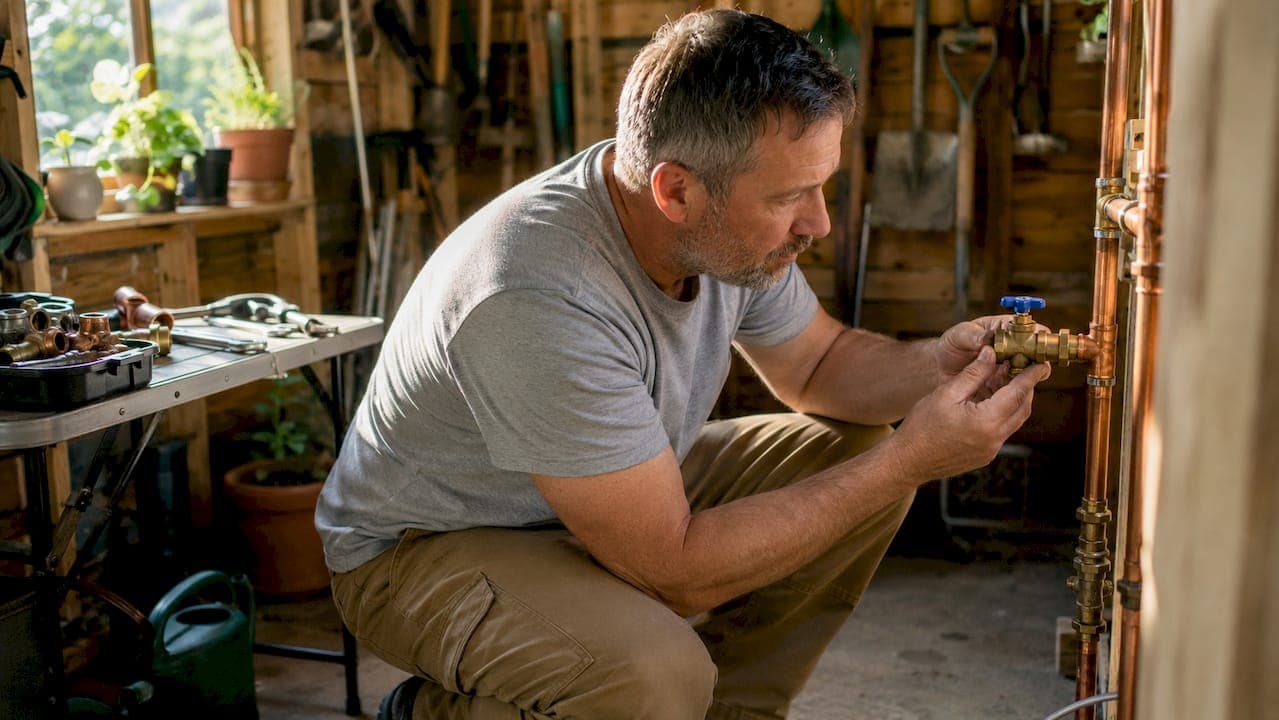
Plumbing valves are devices that start, stop, regulate, and protect water flow throughout your home's piping system. Understanding the role of plumbing valves is not just useful knowledge for DIY projects. It is the difference between a five-minute fix and a flooded kitchen. Every tap, toilet, boiler, and appliance in your home depends on at least one valve to function safely. The types of plumbing valves you have installed determine how well you can isolate, control, and protect your water supply when something goes wrong.
What are the main types of plumbing valves and how do they function?
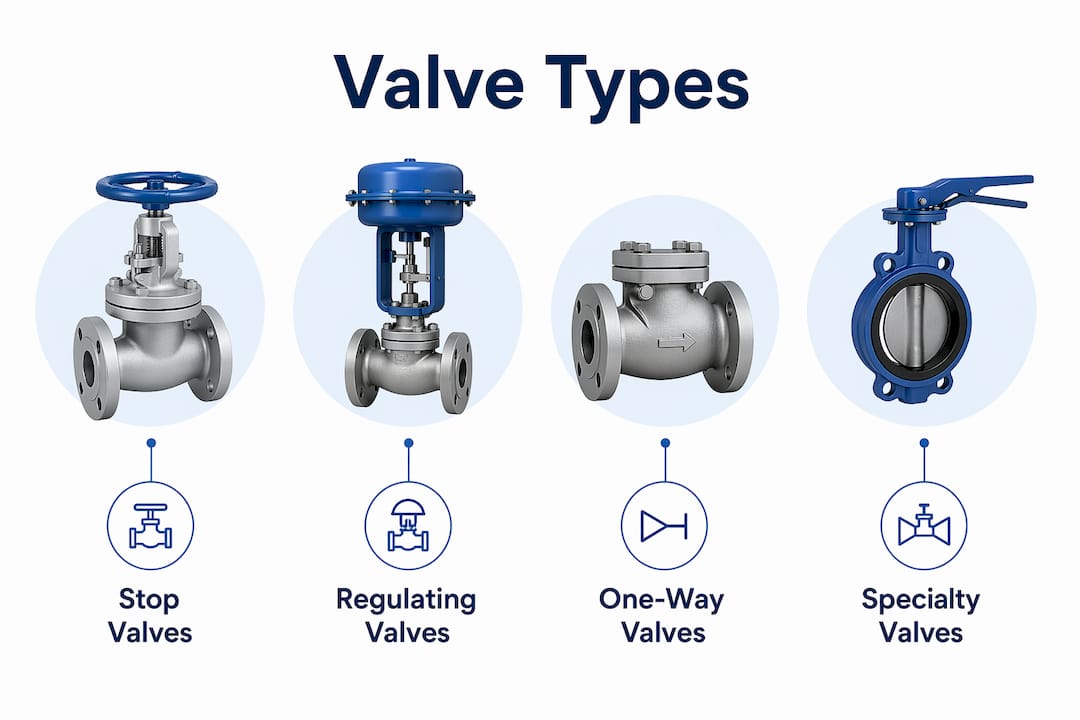
Plumbing valves fall into four functional categories: stop valves, regulating valves, one-way valves, and specialty valves. Each category has a distinct role in your home's water system, and valves serve multiple key functions including on/off control, flow regulation, backflow prevention, and system safety. Knowing which type you have, and where it sits, is the foundation of confident home plumbing.
Stop valves act like a light switch for your water supply. Gate valves and ball valves are the two most common types. A ball valve uses a rotating sphere with a hole through its centre, giving you a full open or full closed position with a quarter turn. Gate valves use a rising wedge to block flow and are more common in older UK properties. Both are designed for isolation rather than flow control, meaning you use them to cut off supply to a fixture or zone entirely.
Regulating valves work more like a dimmer switch. Globe valves, butterfly valves, and pressure reducing valves (PRVs) all control the rate or pressure of flow rather than simply stopping it. A globe valve, for example, uses a disc that moves perpendicular to the flow, allowing fine adjustment. PRVs are factory-set or field-adjustable and sit on your incoming mains supply to bring pressure down to a safe working range.
One-way valves, or check valves, allow water to travel in one direction only. They close automatically when flow reverses, which prevents contaminated water from being drawn back into the clean supply. Specialty valves include pressure relief valves on hot water cylinders and float valves inside toilet cisterns. These are self-regulating: they respond to pressure or water level without any manual input.
| Valve type | Primary function | Common household location |
|---|---|---|
| Ball valve | On/off isolation | Under sinks, at stopcock |
| Gate valve | On/off isolation | Older pipework, heating circuits |
| Globe valve | Flow rate adjustment | Heating systems, irrigation |
| Pressure reducing valve | Pressure regulation | Incoming mains supply |
| Check valve | Backflow prevention | Pumps, sprinkler systems |
| Pressure relief valve | Safety pressure release | Hot water cylinders, boilers |
| Float valve | Water level control | Toilet cisterns, cold water tanks |
How do pressure reducing valves protect home plumbing systems?
A pressure reducing valve is one of the most important, and most overlooked, components in a UK home's plumbing system. Municipal water mains typically deliver water at 80 to 150 PSI. Without a PRV, that pressure enters your home's pipework directly. PRVs automatically reduce this to a safe indoor range of 40 to 60 PSI, which protects taps, washing machine hoses, toilet fill valves, and your boiler from premature wear.
The consequences of a failing PRV are not subtle. Elevated pressure causes dripping taps, running toilets, burst washing machine hoses, and discharge from the pressure relief valve on your hot water cylinder. These symptoms are often misdiagnosed as individual fixture faults when the real culprit is a single failing valve on the incoming supply.
Testing your PRV is a straightforward DIY task. Follow these steps once a year:
- Attach a pressure gauge to an outdoor tap or the cold supply under a kitchen sink.
- Turn off all water-using appliances and taps in the house.
- Read the static pressure on the gauge. A reading above 65 PSI suggests the PRV is not holding correctly.
- Wait five minutes without using any water. If the pressure climbs steadily, the PRV seat is worn and the valve is failing under no-flow conditions.
- If pressure is consistently high, call a plumber to adjust or replace the PRV before fixture damage occurs.
Pro Tip: A PRV may pass a quick test but still fail under no-flow conditions due to a worn internal seat. Monitor pressure creep over time by taking two readings five minutes apart. If the second reading is higher, the valve needs attention.
Why is valve maintenance critical for homeowners?
The main purpose of exercising your shut-off valves is not to fix a stuck valve after it fails. It is to confirm the valve works before you need it in an emergency. Exercising valves twice annually prevents seizing caused by mineral deposits, corrosion, and rubber degradation inside the valve body. A valve that has not been operated in five years may refuse to close when a pipe bursts at midnight.
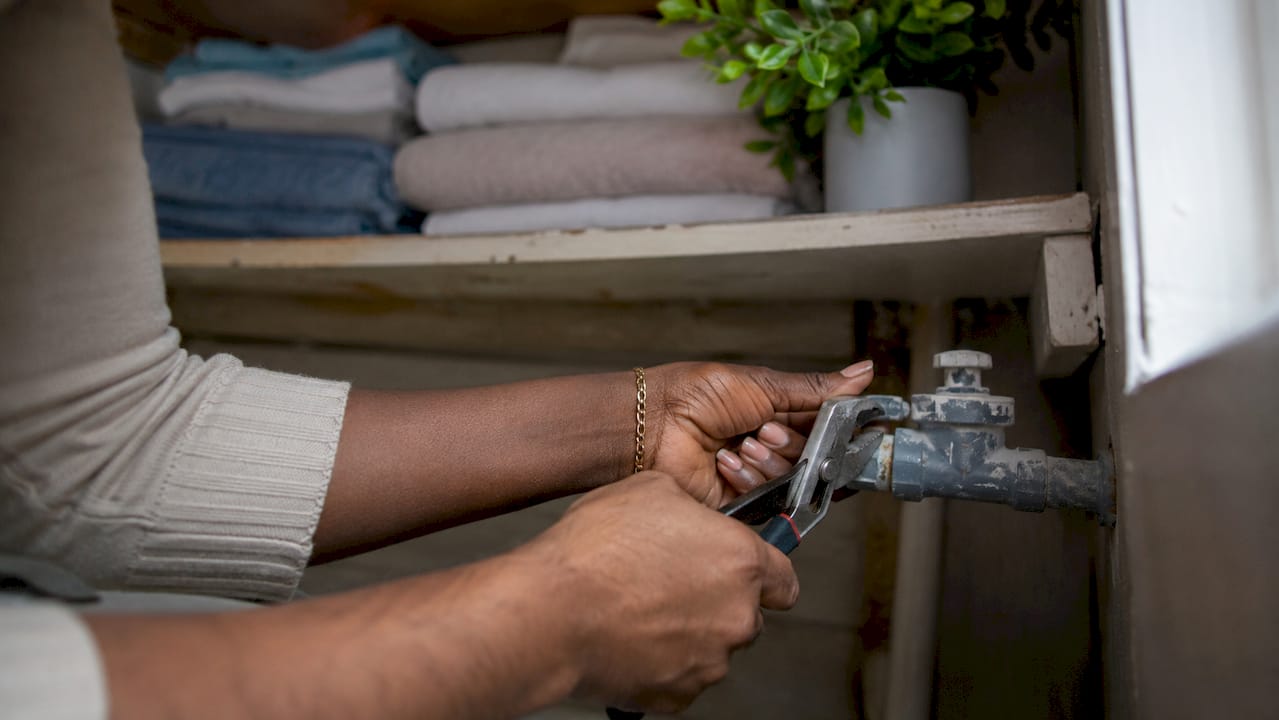
The technique matters as much as the frequency. Ball valves require a simple quarter turn from open to closed and back again. Gate valves need a different approach: close the valve fully, then reopen it by a quarter turn rather than leaving it fully open. Gate valves left fully open are prone to seizing in that position because the gate wedge can bind against the valve seat over time.
If a valve feels stiff, apply a penetrating oil such as WD-40 around the spindle and leave it for 30 minutes before trying again. Never force a stuck valve with a wrench or extended lever. Forcing it risks snapping the spindle or cracking the valve body, which turns a maintenance task into an emergency repair.
Pro Tip: Label every shut-off valve in your home with a waterproof tag indicating which fixture or zone it controls. Many homes lack accessible valves near fixtures, meaning a burst pipe can require a whole-house shutoff while you search for the right valve in a panic.
Common valve maintenance mistakes to avoid:
- Leaving gate valves fully open after exercising them, which accelerates seizing
- Ignoring valves behind bath panels or under floorboards because they are out of sight
- Using excessive force on a stiff valve instead of penetrating oil and patience
- Failing to check valve accessibility before starting any plumbing repair
- Skipping annual maintenance because the valve "seems fine"
How do check valves and backflow preventers safeguard drinking water?
A check valve is a passive, one-way device. It contains a hinged flap or spring-loaded disc that opens under forward flow and snaps shut the moment flow reverses. Check valves permit flow in one direction only, making them the first line of defence against backflow contamination in pumps, garden sprinkler systems, and washing machine outlets.
Backflow preventers are a more complex, code-required version of the same principle. Where a simple check valve uses a single flap, a backflow preventer uses two independent check mechanisms with a relief port between them. One-way valves at individual fixtures do not always satisfy local building regulations for backflow prevention, particularly where there is a high contamination risk such as irrigation systems connected to chemical fertiliser tanks.
Backwater valves, installed in sewer lines, work on the same principle but protect against sewage backup. Backwater valves contain a hinged flapper that closes when sewage attempts to flow back into the basement during a sewer surcharge. They require annual inspection and occasional flapper replacement, and full valve replacement is a licensed plumbing task.
| Device | Mechanism | Typical use | Maintenance |
|---|---|---|---|
| Check valve | Single flap or disc | Pumps, sprinklers, appliances | Inspect annually for debris |
| Backflow preventer | Dual check with relief port | Mains supply, irrigation | Annual test by a plumber |
| Backwater valve | Hinged flapper in sewer line | Basement sewer protection | Annual flapper inspection |
Check valve installation errors such as incorrect orientation cause water hammer, drainage problems, and reverse flow symptoms that are often misdiagnosed as fixture faults. Always confirm the flow-direction arrow on the valve body aligns with the direction of intended flow before commissioning.
Pro Tip: If you notice gurgling drains, water hammer, or slow drainage that appears in multiple fixtures simultaneously, inspect your check valves before assuming the problem lies with the fixtures themselves. A misaligned or failed check valve is a common root cause that gets missed.
Key takeaways
Plumbing valves control, regulate, and protect every water circuit in your home, and their reliability depends entirely on correct installation and regular maintenance.
| Point | Details |
|---|---|
| Four valve categories | Stop, regulating, one-way, and specialty valves each serve a distinct function in home plumbing. |
| PRV protection | Pressure reducing valves bring mains pressure from up to 150 PSI down to a safe 40 to 60 PSI indoors. |
| Exercise valves twice yearly | Cycling shut-off valves every six months prevents seizing and confirms they will work in an emergency. |
| Check valve orientation matters | Installing a check valve in the wrong direction causes water hammer and drainage faults, not just backflow failure. |
| Label your shut-offs | Tagging valves by zone or fixture saves critical time during a leak or burst pipe emergency. |
What I have learned from years of watching homeowners deal with valve failures
The most expensive plumbing call I see is not the burst pipe itself. It is the burst pipe combined with a homeowner who cannot find the shut-off valve, or finds one that will not turn. That combination turns a £200 repair into a £2,000 one once you factor in water damage, drying equipment, and replastering.
What surprises most people is how often valves are missing entirely behind bath panels and under kitchen units. Planning for accessible valves during any renovation is not optional. It is the single most practical thing you can do for long-term plumbing reliability. If you are fitting a new bathroom or kitchen in 2026, insist on an isolation valve for every fixture before the panels go on.
I also think homeowners underestimate the PRV. Most people have never seen theirs, let alone tested it. Yet a failing PRV quietly destroys tap washers, shortens boiler life, and stresses every joint in the system. Testing it once a year with a £10 pressure gauge from a hardware shop is one of the highest-return maintenance tasks available to any homeowner. Pair that with the plumbing maintenance checklist from Your-local-plumber and you have a genuinely solid annual routine.
DIY knowledge is valuable here, but know its limits. Exercising a ball valve or testing your PRV is well within most homeowners' abilities. Replacing a seized gate valve on a live mains supply, or fitting a new backflow preventer to a pressurised system, is not. The line between confident DIY and a flooded hallway is usually one failed compression fitting.
— Michael
Need help with valve repairs or maintenance?

If a valve in your home is seized, leaking, or simply overdue for inspection, Your-local-plumber's experienced engineers can assess, service, or replace it quickly and at a transparent price. From PRV adjustments and isolation valve replacements to full plumbing services covering every fixture in your home, the team handles both routine maintenance and urgent faults. For valve failures that cannot wait, the emergency plumbing service offers a 60-minute response time across the local area. Book online or call 07760 547 999 to arrange a visit at a time that suits you.
FAQ
What is the main role of plumbing valves in a home?
Plumbing valves control water flow by starting, stopping, regulating pressure, and preventing backflow throughout your home's pipework. Without them, you cannot isolate a leaking fixture, protect appliances from high pressure, or prevent contaminated water from re-entering the clean supply.
How do I know if my pressure reducing valve is failing?
Attach a pressure gauge to an outdoor tap and take two readings five minutes apart with no water running. If the pressure exceeds 65 PSI or climbs between readings, the PRV seat is worn and the valve needs adjustment or replacement.
How often should I exercise shut-off valves?
Cycle every shut-off valve in your home fully closed and fully open at least twice a year. This prevents mineral deposits and corrosion from seizing the valve in place, and confirms it will operate correctly during an emergency.
What is the difference between a check valve and a backflow preventer?
A check valve is a single passive device that blocks reverse flow using a flap or disc, suitable for appliances and pumps. A backflow preventer uses two independent check mechanisms with a relief port and is required by building regulations where contamination risk is higher, such as irrigation systems.
Why do some homes have no shut-off valves near fixtures?
Older UK properties were often built without individual isolation valves at each fixture, meaning any repair requires shutting off the whole-house supply. Adding isolation valves during renovations is strongly recommended to simplify future repairs and reduce water damage risk.