
TL;DR:
- Plumbing engineers handle system design, planning, and compliance, unlike standard plumbers who focus on repairs.
- Verify credentials like Gas Safe and NVQ qualifications before hiring to ensure legal and safety standards.
- Complex projects, high-rise buildings, or system upgrades require a plumbing engineer's expertise for proper execution.
When your boiler fails mid-winter or you're planning a major bathroom overhaul, knowing whether to call a plumber or a plumbing engineer can be the difference between a smooth project and a costly mistake. Many UK homeowners use the two terms interchangeably, yet the roles are genuinely distinct. A plumbing engineer brings a higher level of technical expertise, covering system design, regulatory compliance, and advanced diagnostics. In this guide, we'll walk you through exactly what a plumbing engineer does, what qualifications to look for, what it costs in 2026, and when you truly need one for your home.
Table of Contents
- What is a plumbing engineer? Understanding the role
- Plumbing engineer qualifications and certifications you should check
- Plumbing engineer salary and costs: What to expect in 2026
- When to hire a plumbing engineer for your home project
- Why choosing the right plumbing engineer matters more than ever
- How to book a trusted plumbing engineer for your home
- Frequently asked questions
Key Takeaways
| Point | Details |
|---|---|
| Specialised expertise | A plumbing engineer designs, plans, and certifies plumbing systems—beyond standard repairs. |
| Mandatory certifications | Always verify Gas Safe and water safety credentials to stay compliant and safe. |
| Budget expectations | Plumbing engineer salaries average £25,000 with higher costs for skills or emergencies. |
| Best for complex projects | Hire a plumbing engineer for major upgrades, non-standard layouts or specialist requirements. |
What is a plumbing engineer? Understanding the role
A plumbing engineer is not simply a plumber with a fancier job title. The role involves designing, planning, and implementing entire plumbing systems rather than just fixing what's already there. Think of it this way: a standard plumber installs a tap or repairs a leaking pipe, while a plumbing engineer decides where every pipe in a new build should run, what diameter it needs to be, and how the whole system meets building regulations.
The core distinction lies in scope. Standard plumber roles in domestic homes typically cover repairs, replacements, and straightforward installations. A plumbing engineer, by contrast, takes responsibility for system-wide planning, load calculations, and compliance sign-off. They work from blueprints, coordinate with other trades, and often oversee projects from design through to commissioning.
Key skills a plumbing engineer brings to your project:
- System design and hydraulic calculations
- Knowledge of Building Regulations Part G and Part L
- Advanced fault diagnostics across complex pipework
- Specification of materials and components
- Coordination with gas, heating, and electrical engineers
- Documentation and compliance reporting
To understand the difference more clearly, here's a quick comparison:
| Feature | Standard plumber | Plumbing engineer |
|---|---|---|
| Repairs and installations | Yes | Yes |
| System design and planning | No | Yes |
| Compliance sign-off | Limited | Full |
| Complex diagnostics | Basic | Advanced |
| Multi-trade coordination | Rarely | Routinely |
| Suitable for large projects | Sometimes | Yes |
For everyday domestic projects, a qualified plumber handles most jobs perfectly well. However, when a project involves larger pipework, unusual layouts, or non-domestic elements, a plumbing engineer becomes essential. For example, high-rise or specialist projects often require pipes exceeding 28mm in diameter and demand certified professionals who can demonstrate compliance with gas and water safety regulations. Getting this wrong doesn't just cause inconvenience; it can create serious legal liability for the homeowner.
In short, if your project requires someone to think about the system as a whole rather than simply carry out a task, a plumbing engineer is the right person for the job.
Plumbing engineer qualifications and certifications you should check
A clear understanding of a plumbing engineer's job leads naturally to the question of their qualifications. This is where many homeowners make avoidable mistakes, either trusting someone without checking credentials or not knowing what to look for in the first place.
In the UK, a qualified plumbing engineer will typically hold one or more of the following:
- NVQ Level 2 or 3 in Plumbing and Domestic Heating (the industry standard foundation)
- City & Guilds qualifications in plumbing, gas fitting, or heating engineering
- An apprenticeship completed under a recognised framework, such as the Skills England standard for plumbing and heating engineers
- Gas Safe Register entry (legally required to work on gas appliances in the UK)
- WRAS approval (Water Regulations Advisory Scheme, relevant for water fittings compliance)
- CIPHE membership (Chartered Institute of Plumbing and Heating Engineering)
Each of these tells you something different. An NVQ or City & Guilds qualification confirms that the engineer has been formally trained and assessed. Gas Safe registration is a legal requirement, not a bonus; anyone working on gas systems without it is breaking the law, and your home insurance may be invalidated if something goes wrong. Understanding Gas Safe certification is essential before any gas-related work begins.
For water-related compliance, UK plumbing compliance standards require that all work meets the Water Supply (Water Fittings) Regulations 1999. A plumbing engineer who is WRAS-approved or CIPHE-registered demonstrates they take these obligations seriously.
Pro Tip: You can verify Gas Safe registration directly on the Gas Safe Register website by entering the engineer's licence number. For CIPHE membership, the institute's website has a public directory. Always check before work begins, not after.
Missing credentials are not just a technicality. If an unregistered engineer carries out gas or water work in your home and something goes wrong, you could face fines, insurance refusals, and difficulty selling the property. The few minutes it takes to check credentials online could save you thousands of pounds.
Plumbing engineer salary and costs: What to expect in 2026
Armed with qualification knowledge, it's time to understand salary expectations and project budgeting. Knowing what a plumbing engineer earns helps you gauge whether a quote is reasonable and whether the person you're hiring has the experience their price tag suggests.
According to current data, the average annual salary for a plumbing engineer in the UK sits at around £25,000, with the full range running from approximately £15,000 for those just starting out to £36,000 for experienced engineers. Multi-skilled engineers who hold additional gas, heating, or electrical qualifications can command £37,000 to £45,000 or more, particularly when overtime is factored in.
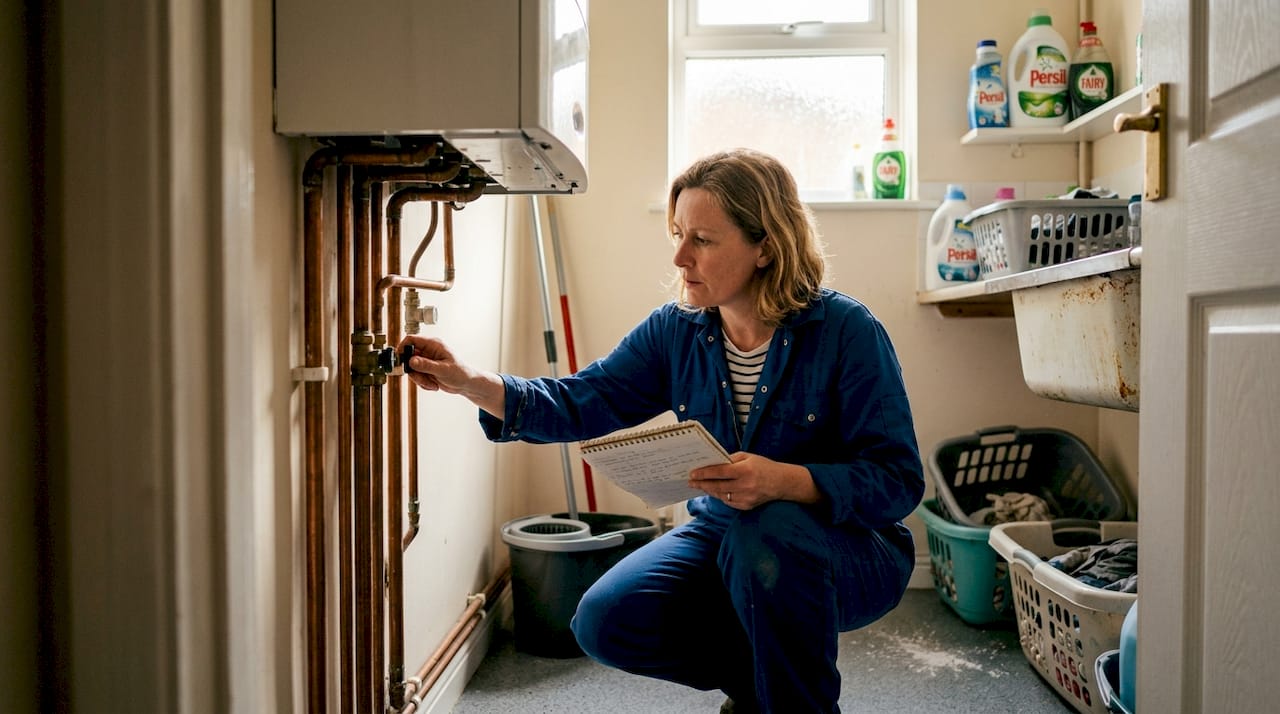
Here's how those earnings typically translate into project costs:
| Experience level | Typical annual salary | Approximate day rate |
|---|---|---|
| Entry level | £15,000–£20,000 | £120–£160 |
| Mid-level | £21,000–£30,000 | £160–£240 |
| Senior/specialist | £31,000–£36,000 | £240–£320 |
| Multi-skilled expert | £37,000–£45,000+ | £320–£450+ |
A plumbing engineer's day rate reflects not just their labour, but their design knowledge, compliance responsibility, and professional liability. You're paying for expertise, not just hours.
Several factors affect what you'll actually pay. Emergency callouts cost significantly more than planned work; understanding emergency plumbing costs before a crisis hits helps you budget sensibly. Project scale matters too: a bathroom redesign costs far less than a full system overhaul across a large property.
Ways to manage costs and avoid surprise fees:
- Request a written, itemised quote before any work begins
- Clarify whether VAT is included in the quoted price
- Ask how overtime or out-of-hours work is charged
- Confirm whether materials are included or billed separately
- Compare at least two or three quotes for larger projects
- Review understanding plumbing pricing guidance before agreeing to any contract
For ongoing savings, maintenance cost tips can help you reduce the frequency of emergency callouts and extend the life of your plumbing systems. Knowing the role and salaries of plumbers more broadly also helps you benchmark quotes across different types of tradespeople.
When to hire a plumbing engineer for your home project
Understanding costs is crucial, but knowing when you truly need a plumbing engineer will save you time and money. Not every job requires one, and hiring a plumbing engineer for a simple tap replacement is unnecessary. But underestimating the complexity of a major project and opting for a less qualified tradesperson is where things go wrong.
Here are the situations where a plumbing engineer, not just a standard plumber, is the right call:
- Major home refurbishment involving full bathroom or kitchen redesign with new pipework layouts
- System-wide upgrades such as replacing an entire heating system or installing underfloor heating
- New builds or extensions where plumbing systems need to be designed from scratch
- Listed buildings or unusual properties where standard solutions may not be appropriate
- High-rise or multi-storey properties where specialist expertise is required for larger-diameter pipework and pressure management
- Integrating gas, heating, and water systems that require multi-disciplinary sign-off
- Commercial or mixed-use properties where domestic plumbing standards alone are insufficient
For smaller, everyday jobs, choosing the right plumber with solid domestic experience is perfectly adequate. The key is matching the level of expertise to the complexity of the task. Knowing the right questions to ask your plumber before hiring helps you distinguish between the two.
Pro Tip: If your project requires a building regulations application or involves gas pipework, always opt for a plumbing engineer rather than a general plumber. The compliance documentation a plumbing engineer provides can be essential when selling your home or making an insurance claim. For projects requiring multi-skilled plumbing engineers, confirm their additional certifications before signing any agreement.
A useful rule of thumb: if the job involves designing something new rather than fixing or replacing something existing, you need a plumbing engineer.
Why choosing the right plumbing engineer matters more than ever
Having explored exactly when professional expertise is required, let's discuss why it's so vital to make the right choice. Modern homes are more technically complex than they were even a decade ago. Smart heating controls, heat pumps, solar thermal systems, and underfloor heating all interact with traditional plumbing in ways that demand genuine engineering knowledge, not just practical skill.
The uncomfortable truth is that many homeowners only discover they hired the wrong person after something fails, a leak appears behind a newly tiled wall, or a building regulations inspector flags non-compliant work. Fixing those mistakes costs far more than getting it right the first time.
We've seen repeatedly that the cheapest quote rarely reflects the true cost of the job. An engineer who cuts corners on compliance documentation or skips certifications may save you money upfront but leave you exposed to liability, insurance gaps, and remedial work. Understanding the full plumbing engineer role in homes means recognising that expertise and accountability go hand in hand. Choosing on price alone is a gamble that rarely pays off.
How to book a trusted plumbing engineer for your home
If you're ready to take the next step, finding a genuinely qualified plumbing engineer is easier than ever. At Your Local Plumber, we make it straightforward to connect with certified, experienced engineers who carry the credentials your project demands.

You can book a plumbing engineer directly online, with transparent pricing and no hidden fees. For urgent situations, our emergency plumbing service is available when you need fast, reliable help from a qualified professional. Want to see the quality of our work before you commit? Browse our plumbing project gallery to get a sense of the standard we deliver. Every engineer we work with is fully certified, so you can book with confidence.
Frequently asked questions
Are plumbing engineers different from regular plumbers?
Yes. As defined under Skills England standards, plumbing engineers design and specify systems, while plumbers typically carry out installations and repairs on existing setups.
What qualifications should a UK plumbing engineer have?
Plumbing engineers should hold relevant NVQs or City & Guilds certificates, and must be Gas Safe registered for any gas-related work, along with other applicable safety certifications.
How much does it cost to hire a plumbing engineer in the UK?
In 2026, the average annual salary is around £25,000, with day rates and project fees varying based on experience, specialism, and job complexity.
When should I hire a plumbing engineer instead of a regular plumber?
Hire a plumbing engineer for complex upgrades, major renovations, high-rise or listed properties, or whenever specialist system design and compliance sign-off is required.
How do I check a plumbing engineer's credentials?
Always ask to see certificates and verify Gas Safe registration online before any work begins, as missing credentials can invalidate your home insurance and create legal liability.