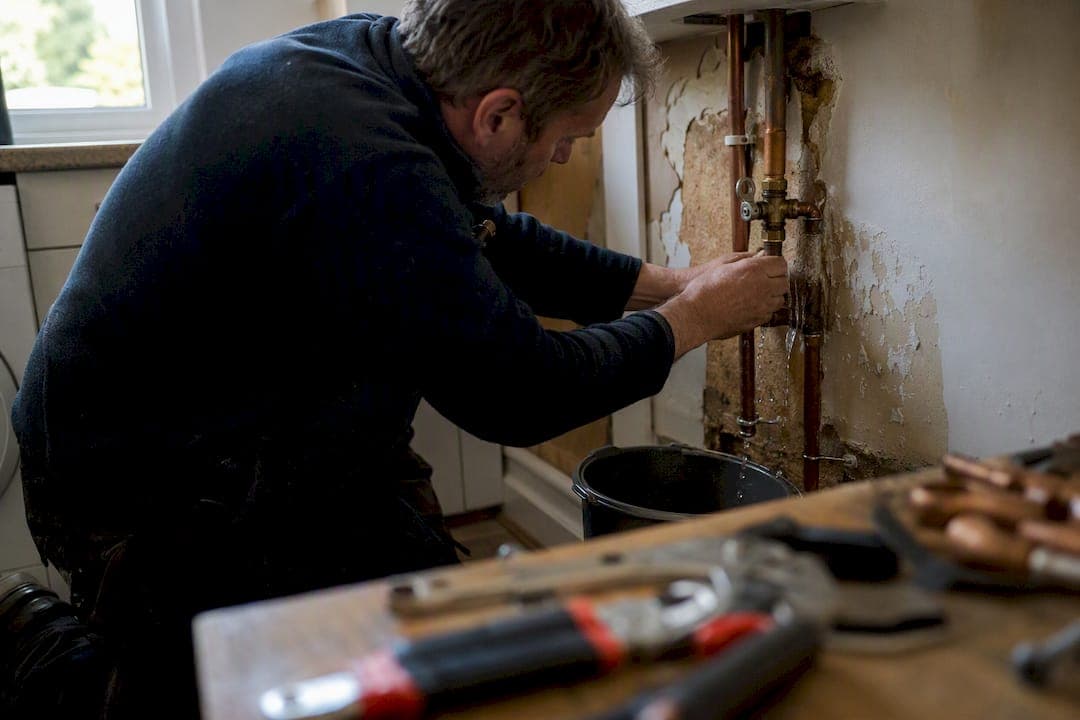
The moment you spot a burst pipe, stop the water, cut power to any affected circuit, and photograph the damage before you touch anything. That sequence, in that order, protects your home and your insurer's willingness to pay out in full.
The single biggest factor in a smooth burst pipe insurance claim UK homeowners make is a dated, written report from the plumber who did the emergency work. Without it, insurers have nothing concrete to assess.
- Turn off the internal stopcock immediately, and isolate electrics near the leak
- Photograph and film the damage before you mop up or move anything
- Call an emergency plumber and ask for a dated, itemised report naming the failure location, likely cause, and repair carried out
Pro Tip: A lack of clear "before" photos is one of the most common reasons homeowners struggle to get a claim assessed fairly, according to GoCompare's guidance on burst pipes and water leaks. Take the photos before you touch a single towel.
Key Takeaways
A successful burst pipe insurance claim in the UK depends on stopping the leak fast, photographing everything before cleanup, and securing a dated written report from the plumber who carried out the emergency repair.
| Point | Details |
|---|---|
| Act on water first | Shut the internal stopcock, isolate wet electrics, then call an emergency plumber. |
| Photograph before cleanup | Wide and close shots preserve the "before" evidence insurers rely on most. |
| Get the written report | Insist on date, location, cause, and work completed in writing, not verbally. |
| Separate temporary from permanent | Label emergency fixes clearly and wait for insurer sign-off on full repairs. |
| Use a documented local service | Your-Local-Plumber.co.uk provides written reports and dated photos with every emergency call-out. |
Table of Contents
- First aid steps to stop the leak and keep people safe
- What to ask the emergency plumber to produce
- Emergency mitigation now versus permanent works later
- Documenting damage and building a reliable timeline
- What to hand to your insurer and what to keep until settlement
- Notifying your insurer: timing and what to say first
- Michael's field checklist: what plumbers do first
- How Your-Local-Plumber.co.uk handles emergency call-outs and paperwork
- Frequently asked questions
- Sources
First aid steps to stop the leak and keep people safe
Every second between the burst and the shutoff adds to the bill, so the first ten minutes matter more than anything that follows. Work through these steps in order, not all at once.
- Find the internal stopcock, usually under the kitchen sink, near the boiler, or under the stairs, and turn it clockwise until it stops. If you cannot locate it or it is stuck, the external mains stopcock near the pavement boundary box is your fallback.
- Cut power to affected circuits at the fuse box if water is anywhere near sockets, switches, or light fittings. Never touch a wet switch or appliance with wet hands.
- Drain the remaining water by opening the highest cold tap in the house and flushing toilets, which empties the pipework faster and reduces the volume still leaking out.
- Contain the spread with buckets, towels, and anything waterproof you have to hand, moving furniture and belongings out of the affected room where you safely can.
- Decide on a temporary fix. A push-fit connector or pipe clamp can hold things together until a professional arrives, but this is a stopgap, not a repair.
CIPHE's plumbing emergency guidance is unambiguous on one point: isolate the water, avoid wet electrics, and call a qualified engineer rather than attempting anything beyond basic containment yourself. If you're unsure how the stopcock works before disaster strikes, it's worth reading through an emergency water shutoff guide in advance.
What to ask the emergency plumber to produce
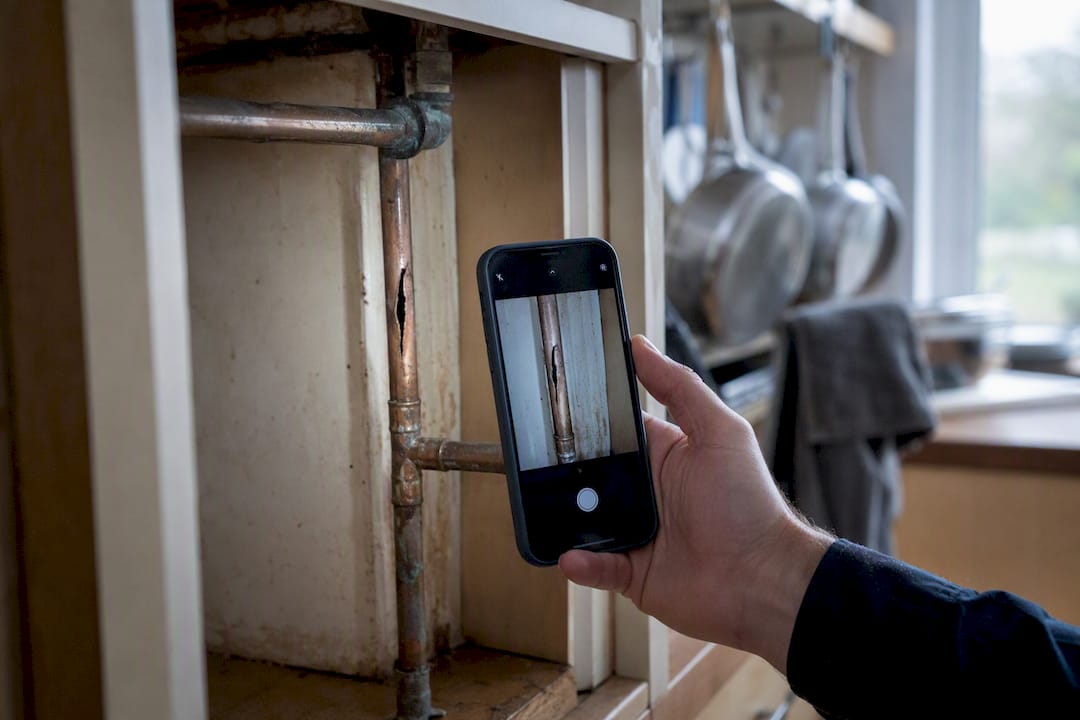
The plumber's report is the backbone of your claim. Insurers assess a burst pipe claim almost entirely on paper, not on a phone call describing what happened, so the quality of that paperwork decides how smoothly the payout goes.
Ask for a written report that includes:
- The date and time the plumber attended
- The precise location of the failure (room, wall, floor void, or pipe run)
- A description of the failed fitting and the plumber's assessment of the likely cause
- Details of the emergency work completed, distinct from any permanent repair still outstanding
GoCompare notes that insurers commonly expect exactly this level of detail: date of inspection, exact location, description of the failed part, and the cause. A generic invoice reading "fixed leak" tells an assessor nothing.
You also need a dated, itemised invoice showing labour, materials, and the call-out fee separately, not lumped into one figure. And if a section of pipe was removed, ask the plumber to bag it and leave it with you rather than binning it. Independent Loss Adjusters advise retaining physical evidence such as a failed pipe section, because a physical sample settles disputes over cause that photos alone sometimes can't.
Take your own photos too, wide shots of the room and close-ups of the exposed pipework, both before and after the repair. A good local engineer will expect this and won't rush you through it. It's worth understanding how plumbers protect your home during emergencies before you need one, so you know what a competent job looks like on the day.
| Evidence Type | What Insurers Want |
|---|---|
| Written report | Date, location, cause, and emergency work carried out |
| Invoice | Itemised labour, materials, and call-out charge |
| Physical sample | Failed pipe section retained where safe to do so |
| Photos | Wide and close shots before, during, and after repair |
Emergency mitigation now versus permanent works later
Insurers draw a firm line between stopping the damage and fixing it properly, and mixing the two up is one of the fastest ways to complicate a claim. Lemonade UK's guidance is clear: you're expected to carry out reasonable emergency repairs to stop further loss, but full reinstatement should usually wait for the insurer's sign-off.
Acceptable now:
- Isolating the water supply to the affected section
- A temporary clamp or push-fit connector to stop active leaking
- Starting the drying process, including opening windows or running a dehumidifier
Best left until approved:
- Full pipe replacement or re-plumbing a section of the house
- Structural strip-out of walls, floors, or ceilings
- Replacing fitted kitchens, bathrooms, or built-in units affected by the leak
If your plumber does anything beyond immediate stabilisation, get it written into the invoice as temporary and clearly labelled, with the date attached. That paper trail is what stops a reasonable mitigation step being mistaken for unauthorised permanent work when the loss adjuster reviews the file.
Documenting damage and building a reliable timeline
Photos alone aren't a timeline. Insurers want to see when the leak was discovered, when it was stopped, and how quickly you acted, and a scattered set of undated pictures doesn't answer any of that.
- Photograph wide and close, capturing the whole room first, then close-ups of the specific damage and the pipe itself.
- Keep original files untouched. Resaving or editing an image often strips the timestamp metadata that proves when it was taken, so copy files straight from your phone rather than screenshotting them.
- Log four key moments: when you discovered the leak, when you shut off the water, when the plumber arrived, and when you first contacted your insurer.
- Keep every invoice and message, including texts to the plumber and emails to the insurer, in one folder.
Landlords in particular benefit from server-timestamped emails over handwritten notes, because a timestamp embedded by an email server is far harder to dispute than a diary entry when establishing exactly when you discovered and reported the damage, according to guidance on documenting water damage for landlord claims. If drying equipment was brought in, ask the contractor for their initial moisture readings on day one. Those numbers become the baseline every later reading gets compared against.
What to hand to your insurer and what to keep until settlement
Send your insurer the plumber's written report, the dated photos and video, the itemised invoice, and any drying or moisture logs as soon as they exist. These four documents form the core of most water damage insurance claim UK submissions, and an assessor can usually make a decision on the strength of them alone.
Some things are better kept than handed over immediately:
- The removed pipe section, if the plumber left it with you, should stay somewhere safe until the claim closes
- If a damaged item must be thrown out before it's assessed, photograph it clearly first and note the model or serial number
- Every insurer communication should be requested in writing, even if you spoke on the phone first, and every claim reference number logged against the date it was issued
ILA's guidance on drying records notes that a proper reinstatement scope usually includes an initial moisture reading, a drying plan, and ongoing monitoring results, not just a final "all dry" confirmation. Ask your drying contractor for all three, because insurers use that progression to judge whether the reinstatement claimed is proportionate to the damage found.
Notifying your insurer: timing and what to say first
Call your insurer the same day you discover the leak, not after the repair is finished. Most home insurance policies for pipe leak coverage UK homeowners rely on include a "notify promptly" condition, and delaying that call, even by a few days while you sort out the plumber, can be used to question the claim later.
When you call, have this ready:
- Your policy number and the property address
- The date and approximate time the leak was discovered
- A brief description of what happened and where (which room, what was affected)
- Whether the leak has been stopped and by whom, including the plumber's name if already arranged
Ask the insurer three things during that first call: whether they want to send their own loss adjuster before repairs continue, whether photos and a written plumber's report will be sufficient for now, and what your claim reference number is. Write the reference down immediately, it's the single piece of information you'll need for every follow-up call.
Most insurers are relaxed about emergency stabilisation happening before they're on the phone. What they're less relaxed about is discovering a burst pipe was fixed and forgotten about for a fortnight before anyone told them. Does home insurance cover burst pipes you've already repaired without notice? Often yes, but only if you can still produce the plumber's report and photos after the fact, so the paperwork matters just as much retrospectively as it does on day one.
Michael's field checklist: what plumbers do first
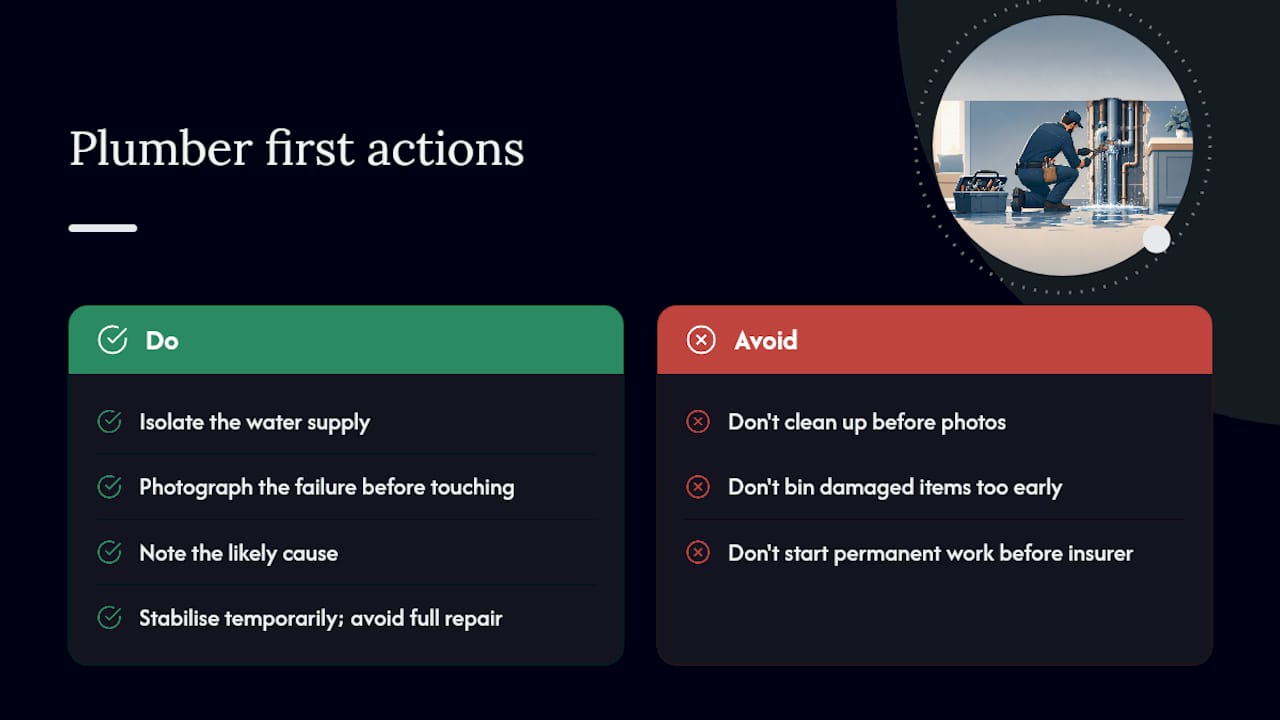
On arrival, the routine doesn't change: isolate the water, photograph the failure before touching it, note down the likely cause, and stabilise temporarily rather than rushing a full fix. The three mistakes we see most often are no photos taken before cleanup, damaged items binned too early, and homeowners commissioning permanent replacement work before the insurer has even seen a report. Each one is avoidable with five minutes of patience and a phone camera.
How Your-Local-Plumber.co.uk handles emergency call-outs and paperwork
Your-Local-Plumber.co.uk runs a 24/7 emergency call-out service built around exactly the documentation this article describes. Every job comes with a written report and dated photos as standard, not as an optional extra you have to request.

Where a traditional call-out might leave you with a scrawled invoice and a verbal explanation, our engineers give you the itemised report, cause assessment, and photographic evidence your insurer will actually ask for. Pricing is fixed and explained before work starts, so there's no ambiguity between the emergency stabilisation and any permanent work still to come. On arrival, expect the water isolated first, a temporary repair if that's what's needed, and a full written record of what was found and done. Have your address, a description of the leak, and your insurer's name ready when you call, and you'll get an engineer dispatched with everything needed to keep your claim moving. Book an emergency plumber or check availability in your area today.
Frequently asked questions
How do I claim for burst pipes if the leak was hidden behind a wall? Ask your plumber to note in the report that the leak was concealed, and request a trace and access assessment if the source isn't obvious. Independent loss adjusters treat concealed leaks differently because the hidden damage often exceeds what's visible, so a proper written assessment matters even more here.
Does home insurance cover burst pipes caused by frost? Most policies cover frost-related bursts, but check your policy wording for any clause about heating being left on during cold spells if the property was empty. The plumber's report should state whether frost was the likely cause, since that detail often affects how the claim is assessed.
What house insurance burst pipe documents do landlords need that homeowners might not? Landlords should keep a tenant's initial report (ideally in writing or by email) alongside the plumber's report, since insurers want proof of when the tenant first flagged the issue and when the landlord acted on it.
Can I get insurance for plumbing issues UK insurers won't normally cover, like wear and tear? Standard buildings insurance rarely covers gradual wear and tear, only sudden, accidental damage such as a burst. Some insurers offer add-on plumbing cover for general repairs, which is a separate product from a standard water damage claim.
How to claim for burst pipes when the repair happened before I called the insurer? Contact your insurer as soon as possible and explain the timeline honestly. Provide the dated photos, written report, and invoice, since these can support a retrospective claim even if notification wasn't immediate.
Sources
- Burst pipes and water leaks | GoCompare
- What to do if a pipe bursts | Lemonade UK
- Plumbing emergencies | CIPHE
- Burst water pipe | ILA