TL;DR:
- Burst pipes mainly occur due to freeze-thaw expansion in cold weather, causing internal pressure to crack pipes.
- Vulnerable locations include lofts, garages, external walls, and outdoor taps, especially during sudden cold snaps.
- Regular insulation, maintaining indoor temperature, and prompt emergency action can prevent costly water damage.
Burst pipes are one of the most damaging and disruptive events a UK homeowner can face. Frozen pipes cause millions of pounds in damage each year, with around 8,000 weather-related claims filed in 2024 alone and an average payout of £33,000 per claim. The uncomfortable truth is that this is not a problem confined to Victorian terraces or neglected rental properties. Modern homes, well-maintained flats, and recently built houses are all at risk. This article explains exactly why pipes burst, where and when the danger is greatest, and what you can do right now to protect your home from a very avoidable crisis.
Table of Contents
- What causes pipes to burst?
- Where and when are pipes most at risk in the UK?
- What can you do to prevent pipes from bursting?
- What to do if a pipe bursts in your home
- What most UK homeowners miss about burst pipes
- Connect with local plumbing professionals
- Frequently asked questions
Key Takeaways
| Point | Details |
|---|---|
| Freezing is main culprit | Water expands when it freezes, causing pipes to split—especially in unheated areas. |
| Prevention is cost-effective | Simple steps like insulation and heating can save thousands in potential damage and insurance claims. |
| Know your emergency actions | Turning off your stop tap and contacting professionals quickly can drastically reduce water damage. |
| Financial risk is high | A single burst pipe averages a £7,500 claim and affects thousands of UK households annually. |
What causes pipes to burst?
Now that you know the impact burst pipes can have, let us uncover exactly why pipes in UK homes are so vulnerable, especially in winter.
The most common cause is freeze-thaw expansion. When temperatures drop below zero, water inside pipes begins to freeze. As it freezes, it expands by roughly nine per cent in volume. That expansion creates enormous pressure inside the pipe. Unlike a balloon, a rigid pipe cannot simply stretch to accommodate the force. Eventually, the pipe wall cracks or splits, sometimes at a joint, sometimes mid-section. When the temperature rises again and the ice thaws, water pours through that crack. This explains why many burst pipe emergencies in the UK happen not during the coldest night, but the morning after, when things are warming up.
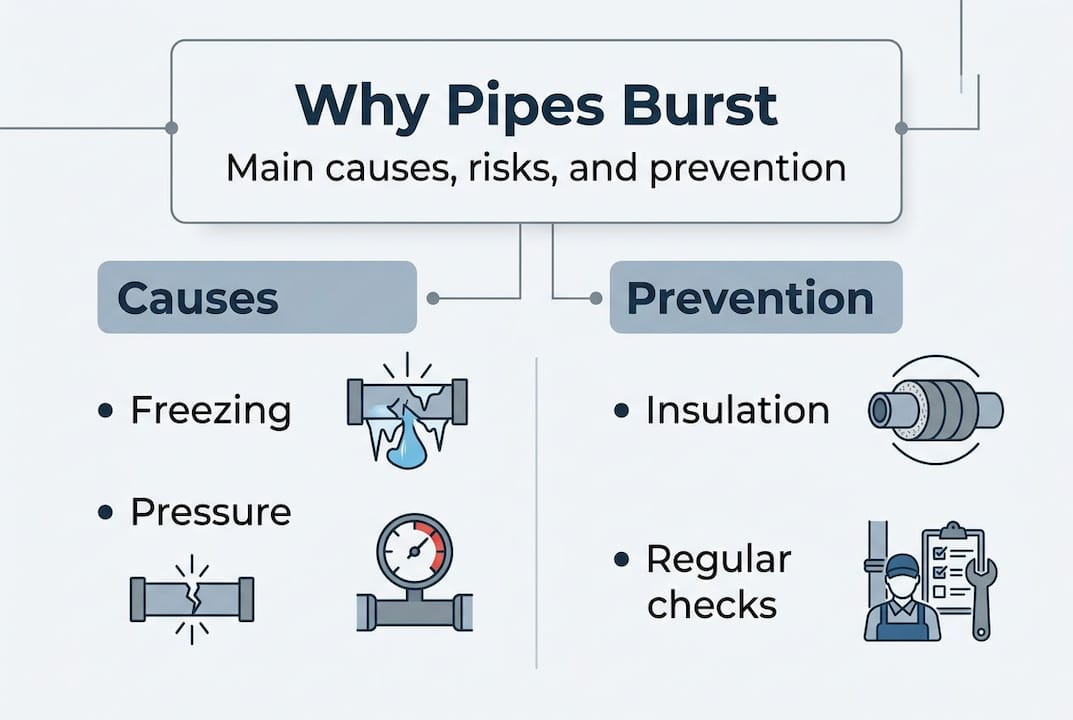
Why pipes burst during cold snaps is well understood by insurers, water companies, and engineers alike. There is a clear scientific and industry consensus that freeze-expansion is the primary winter cause, and that insulation and consistent heating are the most effective countermeasures.
That said, freezing is not the only culprit. Several secondary factors make pipes more prone to failure:
- Pipe age and material: Lead and steel pipes found in older properties corrode and weaken over time, reducing the pressure they can withstand before splitting.
- Water pressure: Excessively high mains pressure puts constant stress on pipe joints and fittings. Even a small cold snap can push an already stressed pipe over the edge.
- Existing damage: Hairline cracks, loose joints, or minor leaks that go unnoticed create points of weakness that are far more likely to fail in cold weather.
- Sudden temperature change: A rapid temperature drop is more dangerous than a gradual one. Pipes do not have time to adapt, and the pressure builds faster.
- Neglected outdoor pipework: Outdoor taps and exposed pipework that are not drained for winter sit filled with still water, making them prime candidates for freezing.
"Most homeowners assume their pipes are fine until they are not. The problem is that by the time you discover a burst, the damage has often already spread to walls, floors, and ceilings."
Summer bursts also happen, though they are far less common. High mains pressure and ageing pipework are the usual causes. A long dry spell can also cause ground movement, which stresses underground supply pipes and causes fractures. So while winter is the main threat, your pipes are not completely safe during warmer months either.
Where and when are pipes most at risk in the UK?
Understanding the cause is only part of the puzzle. Knowing which pipes are in danger and when is just as important for protecting your home effectively.
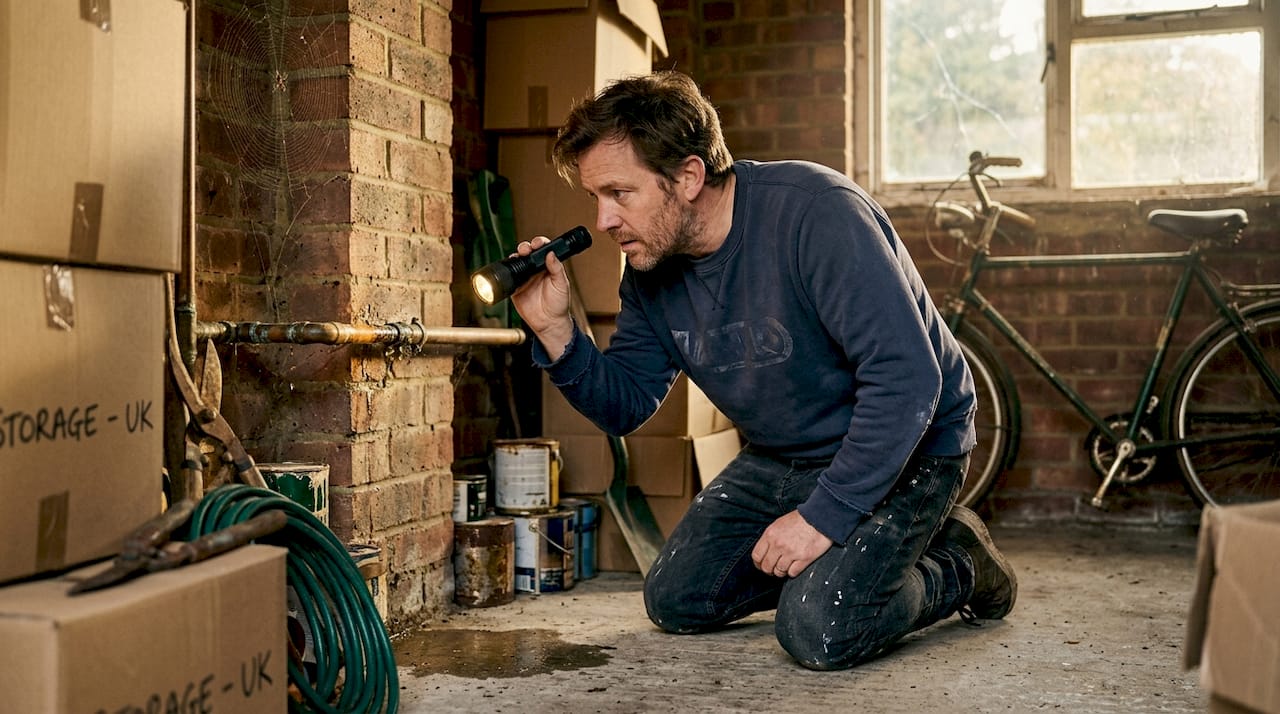
Not all pipes in your home face the same level of risk. Frozen pipes in British homes are most commonly found in unheated spaces where insulation is poor and heat from the rest of the house does not reach. The most vulnerable locations are:
- Loft spaces: Pipes running through lofts are exposed to near-outdoor temperatures in winter. Many UK homes have cold water tanks in the loft, making this area particularly dangerous.
- Garages: Whether attached or detached, garages are rarely heated and often poorly insulated. Pipes running through or near garage walls are at significant risk.
- External walls: Pipes that run inside external walls, rather than internal ones, are exposed to much colder temperatures and have far less thermal protection.
- Outdoor taps: Garden taps connected directly to the mains are among the most frequently frozen and burst components in UK homes.
- Boiler condensate pipes: These small-diameter pipes carry wastewater from modern condensing boilers to the outside and are notorious for freezing during cold snaps, which causes the boiler to shut down entirely.
- Unoccupied rooms: If you close off a bedroom or spare room during winter, pipes running through that space can drop to dangerously low temperatures.
Risk comparison by location
| Location | Risk level | Main reason |
|---|---|---|
| Loft | Very high | Unheated, exposed to cold air |
| Garage | High | No heating, poor insulation |
| External walls | High | Cold outside surfaces |
| Outdoor taps | Very high | Direct exposure, still water |
| Boiler condensate | High | Small bore, outdoor section |
| Internal walls | Low | Benefiting from indoor heat |
| Heated rooms | Very low | Consistent ambient warmth |
When is the risk greatest? The danger peaks during sudden cold snaps rather than during prolonged cold periods. When temperatures plunge quickly, pipes in vulnerable areas freeze before the heating system or any preventative measures can compensate. Overnight temperatures below minus three degrees Celsius are considered the critical threshold by most water companies and insurers.
Frozen pipes cause millions of pounds in damage across the UK each year, with individual burst pipe claims averaging around £7,500 and some reaching as high as £566,000 in extreme cases. That figure should make the cost of a roll of pipe lagging look very reasonable indeed.
The risk also rises when a home is left empty, such as during the Christmas period or a winter holiday. Water sitting still in pipes in an unheated home is the worst possible combination.
What can you do to prevent pipes from bursting?
Now that you know when and where the biggest risks are, here is how you can proactively guard your pipes before cold weather arrives.
How to protect your pipes before a cold snap is well-established advice from UK water companies: insulate, maintain heat, and prepare. Here are the most effective steps to take, in order of priority:
-
Lag your pipes and water tanks: Pipe lagging is inexpensive foam tubing that wraps around pipework in vulnerable areas. Focus on lofts, garages, and any pipes near external walls. Your cold water tank should also be insulated. This is the single most cost-effective measure available.
-
Keep your home above 13°C at all times: Even when you are away on holiday, set your heating to a frost-protection setting of at least 13°C. A cold, empty home is the most dangerous scenario for pipes, and the cost of a few days of background heating is nothing compared to the cost of water damage.
-
Let taps drip during extreme cold: Moving water is harder to freeze than still water. If temperatures are forecast to drop sharply overnight, leaving a cold tap running at a slow drip in vulnerable areas can prevent a freeze from taking hold.
-
Fix leaks and drips promptly: A dripping tap or a slow leak puts unnecessary strain on your plumbing system and creates vulnerabilities. Review your plumbing maintenance checklist each season to stay on top of minor issues before they become major ones.
-
Open cupboard doors under sinks: In kitchens and bathrooms on external walls, opening under-sink cupboard doors allows warm air to circulate around the pipes behind them. It is a simple action that costs nothing and reduces risk in those specific spots.
-
Know where your stop tap is: Your stop tap controls the flow of water into the entire property. If you do not know where it is right now, find it today. In an emergency, every second counts.
-
Schedule a professional inspection: Before winter arrives, book a plumber to check your system. A plumbing inspection guide explains what this involves and why it matters. A qualified engineer can spot vulnerabilities in pipework and insulation that are invisible to the untrained eye.
Pro Tip: If you are going away for more than a few days in winter, ask a neighbour to check your home regularly. They can spot water coming through ceilings or walls far sooner than you will from abroad, and early detection makes all the difference to the scale of any damage.
What to do if a pipe bursts in your home
Even with the best advice, accidents still happen. Here is how to take control if the worst occurs.
Acting quickly and calmly in the first few minutes can significantly reduce the damage a burst pipe causes. Follow these steps in order:
-
Turn off the stop tap immediately: This cuts the water supply to the property and stops new water from flooding the affected area. If you have a combi boiler, turning off the stop tap also reduces pressure to the system. Locate your stop tap before an emergency occurs.
-
Switch off your electricity at the fuse board: If water is anywhere near electrical fittings, sockets, or light fixtures, cut the power to those circuits without delay. Water and electricity are a life-threatening combination, and this step should not be skipped even if the leak seems minor.
-
Open all your cold taps: This drains the remaining water from the pipes above the burst point, reducing how much water continues to flow out. Do not turn on hot taps, as this can draw more water from the tank.
-
Capture and contain the water: Use buckets, towels, and any waterproof containers you have to minimise the spread of water across floors and into adjoining rooms. The faster you contain it, the less damage to flooring and joists.
-
Move valuables, furniture, and electronics: Get items away from the water quickly. Water damage to personal belongings is often irreversible, and furniture left sitting in water can swell and warp within hours.
-
Call a professional plumber without delay: Do not attempt to repair a burst pipe yourself unless you are qualified to do so. Understanding emergency plumber actions can help you work alongside the engineer effectively when they arrive. An emergency plumbing guide can also help you understand what to expect from the visit. For a broader overview of emergency plumbing essentials, including what to tell the plumber, preparation makes the call faster.
Pro Tip: Write the location of your stop tap, your plumber's number, and your insurer's emergency line on a piece of paper and stick it somewhere visible, such as inside a kitchen cupboard door. In a genuine emergency, fumbling with a phone to search for numbers wastes precious time.
How to protect your pipes before a cold snap also advises homeowners to act on the stop tap as the very first step in any pipe emergency. Speed, not panic, is your most valuable asset in these situations.
What most UK homeowners miss about burst pipes
After handling real pipe emergencies across the UK, there is a pattern we see time and again. Most homeowners think about their pipes exactly once a year: in January, after a cold snap has already caused damage. That is precisely the wrong time.
The role of a plumber is not just to fix things when they break. It is to help you understand your home's vulnerabilities before they become emergencies. Yet most people only call when there is already water on the floor.
Here is what we consistently see being overlooked. Homeowners who renovate often disturb existing pipe insulation in lofts or walls and never replace it. A new extension, a loft conversion, or even a simple rewire can leave pipes exposed that were previously well-protected. That oversight rarely matters until the first hard freeze.
The other thing people miss is that frozen pipes cause millions in losses not because the burst itself is catastrophic, but because the response is slow. A pipe that bursts at 2am in an unoccupied house can flood for hours before anyone notices. The damage from that water spreading through floors and ceilings is often far worse than a pipe that bursts while someone is home.
Five minutes spent each autumn checking insulation, testing your stop tap, and looking at your loft pipework can genuinely prevent thousands of pounds in damage. It is not complicated. It is just consistently skipped.
Connect with local plumbing professionals
Knowing what to do is only useful if you also have someone reliable to call. At Your Local Plumber, we work with experienced engineers across the UK who can help you get ahead of any pipe problems before they become costly emergencies.

Whether you need routine UK plumbing services to check your pipework and insulation before winter, or you require emergency plumbing help when something has already gone wrong, our team is set up to respond quickly and transparently. No hidden call-out fees, no vague estimates. You can book a local plumber online right now, at any time, and have someone with you fast. Do not wait for a crisis to find out who to call.
Frequently asked questions
Why do pipes burst more often in winter?
Pipes burst in winter because freezing water expands under pressure inside the pipe, and when that pressure exceeds what the pipe can hold, it cracks or splits.
How can I tell if my pipes are about to burst?
Warning signs include reduced water flow from taps, unusual banging or cracking noises from pipework, visible frost on exposed pipes, or damp patches appearing on walls, ceilings, or floors.
Is it necessary to keep my heating on when I'm away?
Yes, keeping temperatures above 13°C prevents water from freezing inside pipes even when the house is unoccupied, and is the single most effective step when leaving during cold weather.
Should I call a plumber if a pipe bursts?
Yes, after turning off your stop tap you should contact a qualified plumber immediately, as a professional repair prevents further damage and ensures the pipe meets current safety standards.
Does insurance cover burst pipes in the UK?
Most UK home insurance policies cover water damage from burst pipes, but with around 8,000 claims filed in a single year, it is worth checking your policy for exclusions such as pipes in unheated or uninsulated areas.