TL;DR:
- Routine plumbing maintenance prevents most emergencies and costly repairs.
- UK plumbers install, repair, and maintain water, drainage, and heating systems.
- Always verify Gas Safe registration before allowing work on gas appliances.
Most plumbing emergencies don't arrive without warning. Dripping taps, slow drains, and rattling pipes are all signals that something needs attention, yet many UK homeowners wait until water is pouring through the ceiling before picking up the phone. Routine maintenance prevents 80% of plumbing emergencies, which means the majority of costly call-outs are entirely avoidable. Understanding what a plumber actually does, and when to call one, puts you in control. This guide covers the full scope of plumbing work, from everyday repairs to genuine emergencies, and helps you find a professional who offers fast response and honest pricing.
Table of Contents
- What does a plumber do for UK homeowners?
- Emergency plumbing: protecting your home when disaster strikes
- Plumbing skills, tools, and legal requirements
- Transparent pricing and how to choose a trusted plumber
- The real difference between a good plumber and a great one
- Find your trusted local plumber
- Frequently asked questions
Key Takeaways
| Point | Details |
|---|---|
| Prevention saves money | Routine plumbing maintenance in UK homes prevents most emergencies and reduces repair costs. |
| Emergency response matters | A fast-responding plumber is crucial in urgent situations to avoid costly property damage. |
| Transparent pricing builds trust | Fixed quotes and clear communication help homeowners choose reliable plumbing services. |
| Professional skills required | UK plumbers use specialised tools, follow regulations, and require Gas Safe registration for gas work. |
What does a plumber do for UK homeowners?
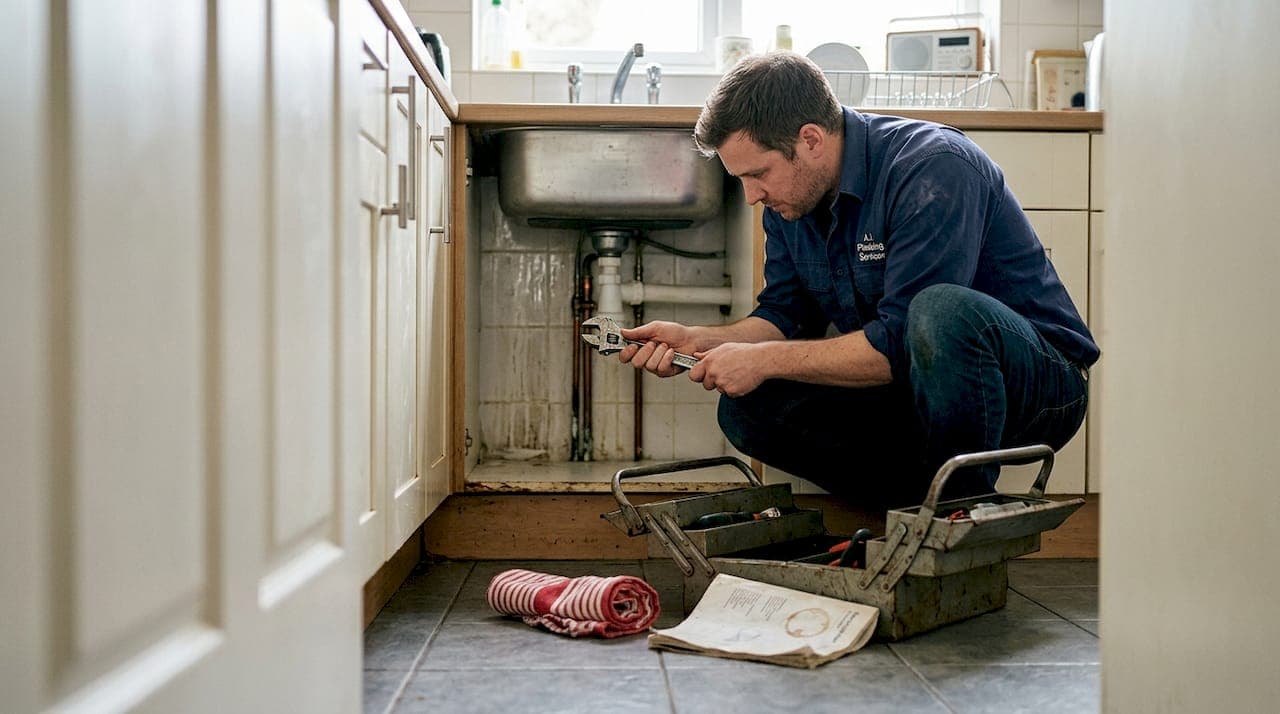
There's a common misconception that plumbers only show up for burst pipes and blocked drains. In reality, plumbers install, repair, and maintain water supply, drainage, and heating systems across your entire home. That covers far more ground than most people realise.
On any given day, a plumber might be fitting a new bathroom suite in the morning, tracing a hidden leak in the afternoon, and replacing a faulty stopcock before dinner. The variety is enormous. Here's a breakdown of the most common tasks UK plumbers carry out:
- Fixing leaking taps, pipes, and joints
- Clearing blocked drains, toilets, and waste pipes
- Installing new taps, showers, baths, and toilets
- Replacing or repairing water tanks and cylinders
- Maintaining and repairing central heating pipework (non-gas)
- Detecting hidden leaks using specialist equipment
- Fitting outdoor taps and garden water supplies
- Insulating pipes to prevent winter freezing
One area where plumbers have strict limits is gas work. Unless a plumber holds Gas Safe registration, they cannot legally touch a boiler, gas fire, or any gas appliance. This is a legal requirement, not a professional preference. Always check before assuming your plumber can handle both water and gas.
Proactive plumbing care is where real savings happen. Following a proper plumbing maintenance checklist helps you catch small issues before they become expensive repairs. Think of it like servicing your car. You wouldn't wait for the engine to seize before booking a service, and your plumbing deserves the same logic.
For homeowners who want to understand how emergency plumbing relief fits into the bigger picture, it's worth knowing that most emergency engineers also carry out routine work. The plumber roles in Tilehurst and surrounding areas reflect this broader scope well.
Did you know? A single dripping tap can waste over 5,500 litres of water per year. That's not just an environmental issue. It adds up on your water bill too.
Emergency plumbing: protecting your home when disaster strikes
Some situations simply cannot wait. A burst pipe in winter, a toilet that won't stop overflowing, or a sudden loss of water pressure are all genuine emergencies that require immediate professional attention.
When a plumber arrives at an emergency, their first priority is always safety and damage control. That typically means locating and shutting off the main stopcock, draining the affected system, and applying a temporary fix such as a pipe clamp or waterproof tape to stop active leaking. A permanent repair follows once the immediate risk is managed.
Common emergency situations include:
- Burst or frozen pipes
- Severe flooding from a failed appliance
- Complete loss of water supply
- Sewage backing up through drains
- Boiler breakdowns (Gas Safe engineers only)
Pro Tip: Know where your main stopcock is before an emergency happens. It's usually under the kitchen sink or near the front door. Turning it off immediately can prevent thousands of pounds of water damage while you wait for a plumber.
Understanding emergency plumbing essentials before a crisis occurs gives you a clear head when it matters most. For those in the Midlands, guidance on emergency plumbing in Milton Keynes outlines what local response times and processes look like.
Here's a realistic look at emergency call-out costs across the UK in 2026:
| Situation | Typical cost range | Notes |
|---|---|---|
| Standard call-out (daytime) | £80 to £150 | Includes first hour of labour |
| Evening or weekend call-out | £120 to £200 | Higher rate applies after 6pm |
| Overnight emergency | £150 to £300+ | Significant premium for unsociable hours |
| Burst pipe repair | £150 to £400 | Depends on access and pipe type |
| Blocked drain clearance | £80 to £200 | Jet washing may add to cost |
DIY repairs during emergencies are tempting, especially if you're handy around the house. But emergency call-out priorities are complex, and a well-meaning attempt to fix a burst pipe can easily make the situation worse, void your home insurance, or cause structural damage. The cost of a professional is almost always less than the cost of a mistake.
Plumbing skills, tools, and legal requirements
A skilled plumber brings far more than a wrench to the job. The technical side of plumbing involves cutting, joining, and bending pipes made from copper, plastic, or PVC, each requiring different tools and techniques. Getting a joint wrong by even a few millimetres can mean a slow leak that causes months of hidden damage.
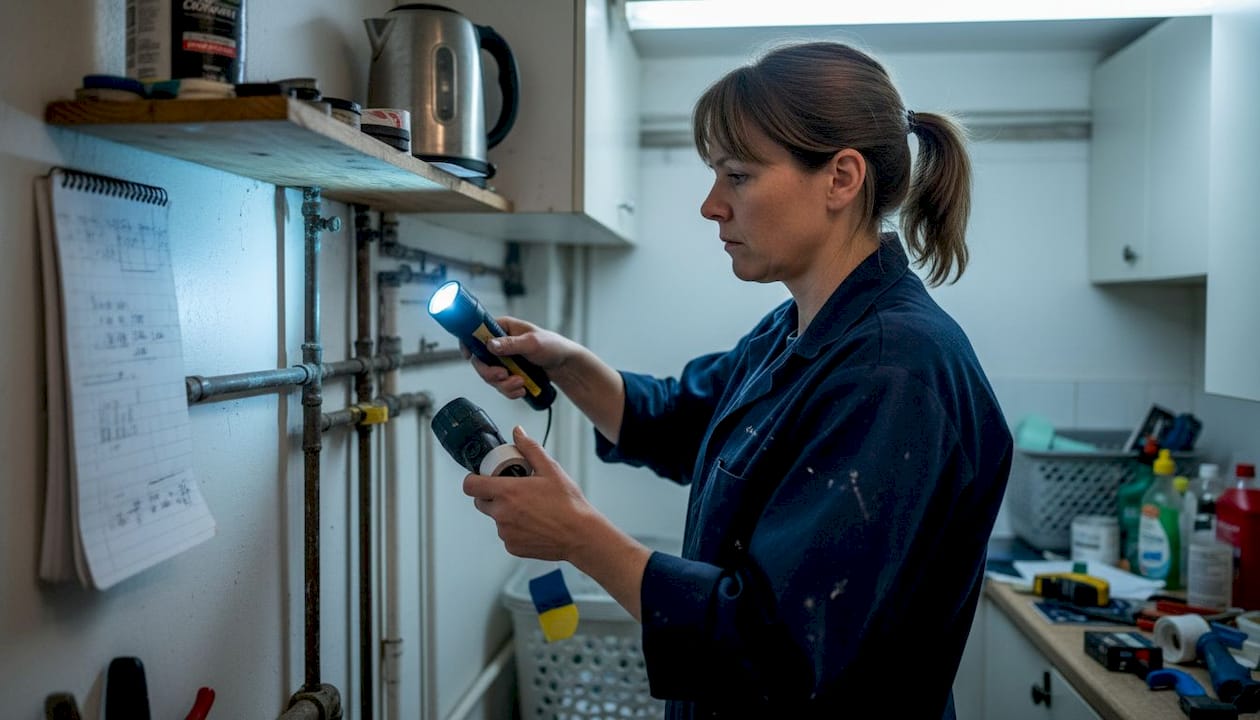
Here's how professional diagnostic methods compare to basic checks:
| Method | What it finds | Who uses it |
|---|---|---|
| Visual inspection | Obvious leaks, corrosion, damage | Any plumber |
| Pressure testing | Hidden leaks in sealed systems | Trained professionals |
| Video drain inspection | Blockages, root intrusion, pipe collapse | Specialist engineers |
| Thermal imaging | Concealed leaks behind walls | Advanced diagnostics |
The technical side is governed by strict rules. UK building regulations require that plumbing work meets specific standards for water quality, drainage, and pipe sizing. Failing to comply can affect your home's resale value and invalidate your insurance.
Professional plumbers follow a structured approach to every job:
- Diagnose the problem using the right tools for the situation
- Isolate the affected area to prevent further damage
- Source correct parts that meet UK standards
- Carry out the repair or installation to building regulation standards
- Test the system before leaving the property
- Document the work with a written record for your files
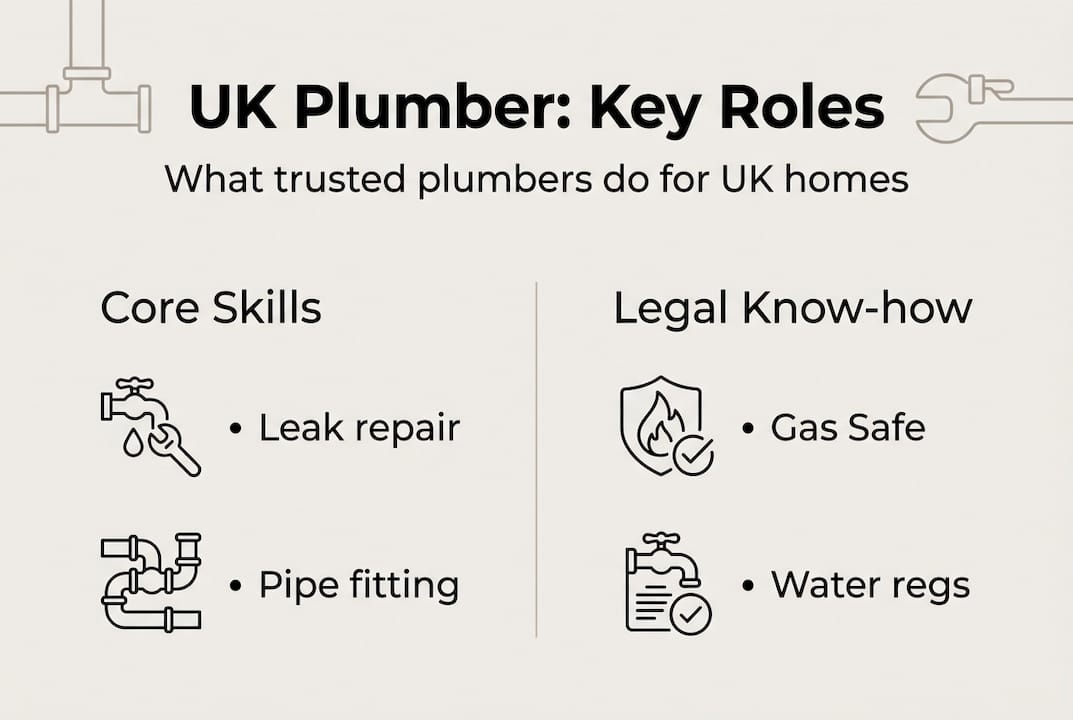
For gas work, the rules are non-negotiable. Gas Safe registration is a legal requirement for anyone working on gas boilers or appliances in the UK. You can verify any engineer's credentials on the Gas Safe Register website. Never allow unregistered individuals to touch gas pipework. The consequences range from carbon monoxide poisoning to prosecution.
Pro Tip: Always ask to see a plumber's qualifications and Gas Safe card before work begins on any gas appliance. A genuine professional will show you without hesitation.
Older UK homes present specific challenges: lead pipework, limescale build-up in hard water areas, and pipes that weren't insulated to modern standards. Pipe fitting and fault diagnosis in these properties requires experience that goes well beyond what any online tutorial can teach.
Transparent pricing and how to choose a trusted plumber
Knowing what you should pay is half the battle. London plumbing rates typically run between £65 and £110 per hour for standard work, rising to £130 to £190 for overnight or emergency jobs. Outside London, rates are generally lower, but the structure is similar.
Here's what to look for when hiring:
- Fixed quotes in writing before work begins, not verbal estimates that shift later
- Clear call-out fees stated upfront, separate from hourly labour
- VAT included in all pricing so there are no surprises on the invoice
- Guarantee on parts and labour, typically 12 months for reputable firms
- Verifiable reviews on Google or Checkatrade, not just testimonials on the plumber's own website
The cheapest quote is rarely the best value. Homeowners consistently rate fast response, clear communication, and tidiness as the most important factors, often above price. A plumber who arrives promptly, explains the problem clearly, and leaves your home clean is worth paying a fair rate for.
Pro Tip: Request an itemised quote that separates parts from labour. This makes it easy to compare quotes fairly and spot any inflated materials costs.
For a clearer picture of what fair pricing looks like, our guide to transparent plumbing pricing walks through what each line item should cover. If your home includes a boiler, understanding boiler servicing costs separately will help you budget accurately across the year.
Avoid any plumber who asks for full payment upfront, refuses to provide written quotes, or cannot show proof of qualifications. These are reliable warning signs of poor service or worse.
The real difference between a good plumber and a great one
Qualifications and pricing get a plumber through the door. What keeps them on your speed dial is something harder to measure.
In our experience, the feedback that matters most from homeowners rarely focuses on technical skill alone. Reviews consistently emphasise tidiness, communication, and honesty over everything else. A plumber who explains what went wrong, shows you the damaged part, and tells you what to watch for next time is giving you something genuinely valuable.
Respect for your home matters too. Laying dust sheets, wearing boot covers, and cleaning up before leaving are small gestures that signal a professional who takes pride in their work. It's not a bonus feature. It should be the standard.
The uncomfortable truth about proactive maintenance is that it feels unnecessary right up until the moment it isn't. Homeowners who invest in annual checks and minor repairs consistently avoid the large, stressful, expensive emergencies that others face. Understanding Gas Safe certification and keeping your boiler serviced regularly is one of the simplest ways to protect both your home and your household.
A great plumber treats your home like their own. That's the standard worth holding out for.
Find your trusted local plumber
If this guide has helped you understand what good plumbing service looks like, the next step is finding a professional who actually delivers it. Whether you need routine maintenance or an urgent fix, having the right number saved before something goes wrong makes all the difference.

At Your Local Plumber, we connect you with experienced local engineers who offer transparent pricing and fast response times for both planned and emergency work. You can book a plumbing service online in minutes, or if your heating has gone down, our emergency heating engineer service is available when you need it most. No hidden fees, no vague estimates. Just reliable, local support you can count on.
Frequently asked questions
Do plumbers handle gas boilers and central heating systems?
Only plumbers with Gas Safe registration can legally work on gas boilers and appliances in the UK. Always verify credentials before any gas work begins.
How quickly can an emergency plumber reach my home?
Some services guarantee arrival within 60 minutes, but typical response times range from one to two hours depending on your location and demand at the time.
What are the usual costs for plumbing repairs in the UK?
Standard hourly rates run £65 to £110 in London, with emergency call-outs typically costing between £100 and £300 depending on the time of day and urgency.
Is DIY plumbing recommended for emergency situations?
DIY during emergencies carries real risk of worsening the damage, voiding insurance, or causing structural harm. A professional almost always saves you more money in the long run.
How often should I schedule plumbing maintenance in my home?
Annual checks are the minimum recommended, and routine maintenance prevents up to 80% of plumbing emergencies before they have a chance to cause serious damage.