TL;DR:
- Bathroom fixture upgrades that comply with regulations and combine style with hidden infrastructure improve home value and long-term performance. Installing quality fixtures like walk-in showers, freestanding baths, and wall-hung vanities enhances appeal, while proper waterproofing and pipework protect your investment. Sustainable fixtures such as low-flow taps and dual-flush toilets offer cost savings and attract eco-conscious buyers.
Bathroom fixture upgrades are defined as targeted replacements or additions to fittings, including taps, showers, baths, lighting, and ventilation, that improve both the function and appearance of a bathroom. A high-quality refurbishment can add 4–6% to your home's value. That figure makes the bathroom one of the highest-return rooms you can invest in. The best examples of bathroom fixture upgrades combine aesthetic appeal with compliance to 2026 UK Building Regulations, covering Part P for electrics and Parts G and H for plumbing, to protect both your safety and your resale price.
1. Which bathroom fixture upgrades deliver the highest value?
Walk-in showers with rainfall heads and frameless glass panels are among the most requested upgrades in UK bathrooms today. They remove the visual bulk of a traditional enclosure and make even a modest-sized room feel larger. Frameless glass, in particular, reads as a luxury feature to buyers without requiring a full structural change.
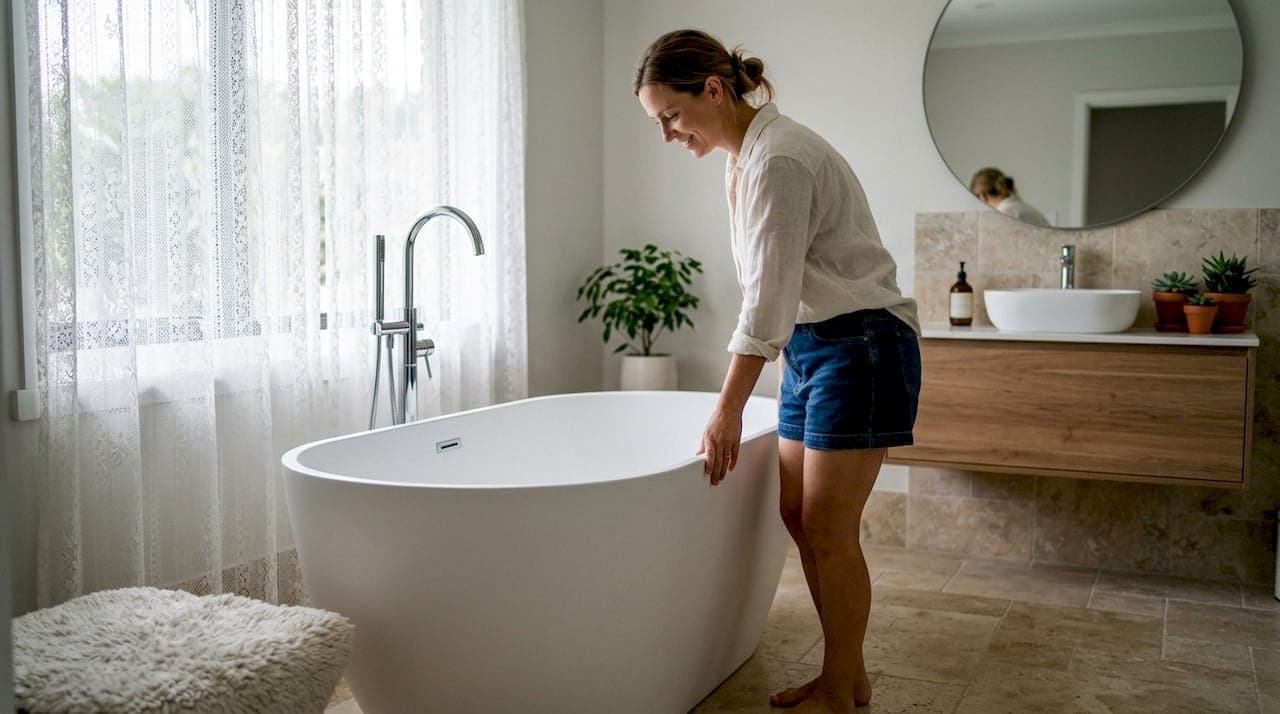
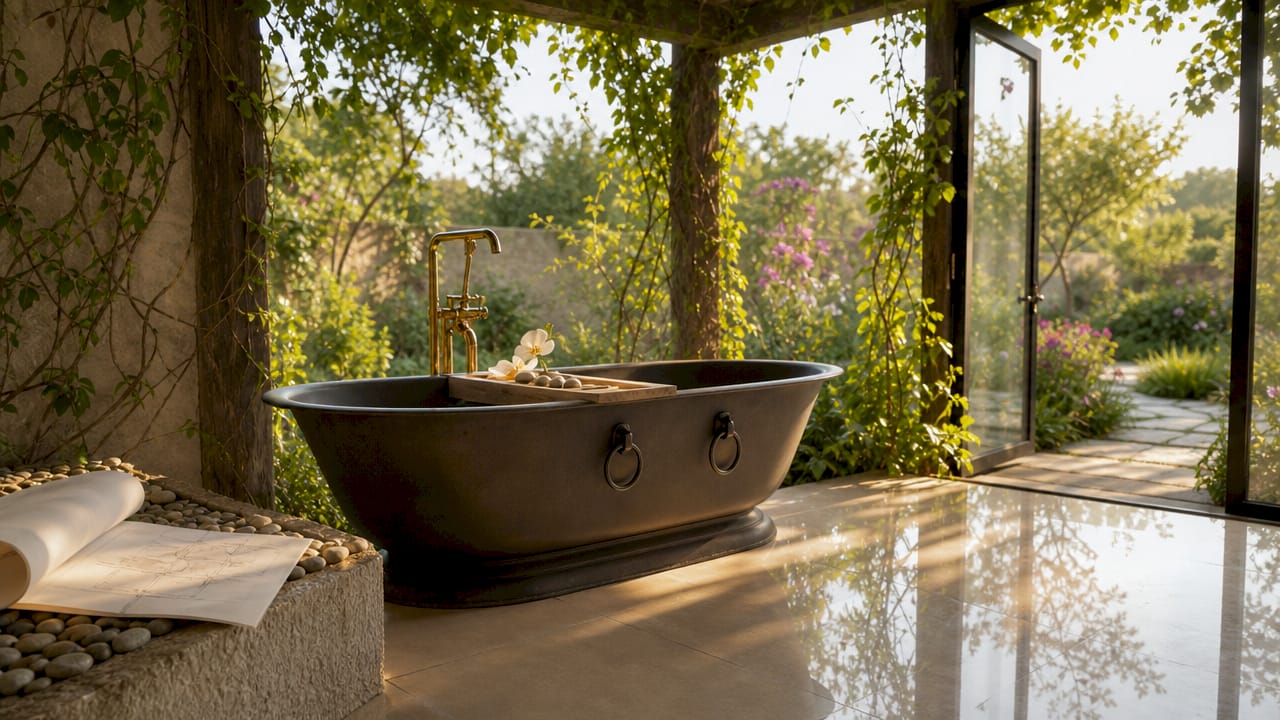
Freestanding baths serve as the visual centrepiece of any bathroom. Cast iron and stone resin are the most durable materials, with stone resin offering a lighter alternative that still holds heat well. Placing a freestanding bath correctly, away from walls and under a ceiling-mounted tap, signals considered design rather than a quick swap.
Mid-range tap and fitting brands such as Grohe or Hansgrohe offer the best perceived quality without the cost of bespoke designer ranges. Over-specifying fixtures beyond what the local property market expects reduces your return on investment. A well-chosen mid-range fitting in brushed brass or matte black reads as premium without pricing you out of the market.
High-quality vanity units combine storage with a strong design focal point. Wall-hung versions free up floor space and make cleaning easier, which buyers notice. Pair them with an integrated basin and a matching mirror for a cohesive look that photographs well.
Pro Tip: Choose a vanity unit with soft-close drawers and internal cable management. Buyers open drawers during viewings, and the quality of the mechanism shapes their perception of the whole room.
Heated towel rails are increasingly expected by UK buyers as a comfort standard rather than a luxury extra. A dual-fuel rail, which runs on both the central heating and an independent electric element, works year-round without depending on the boiler.
2. How can lighting and ventilation upgrades enhance bathroom comfort?
Lighting is the fixture upgrade most homeowners underestimate. A single ceiling light creates flat, unflattering illumination. Layering ambient, task, and accent lighting produces a bathroom that feels considered and comfortable at any time of day.
LED spotlights with adjustable colour temperatures, sometimes called circadian lighting, shift from a cool, energising tone in the morning to a warm, relaxing tone in the evening. This is not a gimmick. Circadian lighting affects mood and sleep quality, and it is a feature that resonates with buyers who work from home and spend more time in their properties.
Ventilation upgrades are equally important. Humidity sensor extractor fans detect moisture automatically and activate without any manual input. This prevents the mould growth that poor workmanship and inadequate ventilation cause, and which surveyors flag as a red mark during valuations.
- Fit LED spotlights rated IP65 or higher for use directly above a shower or bath zone.
- Install a humidity sensor fan rather than a standard pull-cord model to guarantee consistent air extraction.
- Layer lighting with a backlit mirror for task lighting at the vanity.
- Add an LED strip beneath a floating vanity unit for subtle accent lighting that also aids night-time navigation.
2026 UK Building Regulations require 30mA RCD protection for all bathroom electrical circuits and mandatory mechanical extraction where no openable window exists. That requirement means any lighting or fan upgrade must be carried out by a Part P registered electrician. Compliance is not optional. It protects you legally and is checked during any future sale or remortgage.
Stat to know: Mechanical extractors or compliant windows are required for ventilation under current Building Regulations. Failing this check during a survey can delay or derail a sale.
3. What hidden plumbing and waterproofing upgrades protect long-term value?
The fixtures a buyer sees are only part of the story. Hidden elements like waterproofing, pipework, and ventilation underpin long-term value far more than the brand of tap on the wall. Surveyors look behind the visible finish, and poor underlying systems reduce buyer confidence regardless of how attractive the surface looks.
Waterproofing, known in the trade as tanking, is the most critical stage of any wet room or shower installation. Failure at the tanking stage causes leaks that travel through floor structures and into the rooms below, producing damage that costs far more to repair than the original installation. Wet room installations range from £5,500 to £15,000. Skimping on tanking to save a few hundred pounds at that budget level is a false economy.
Updating pipework and drainage matters just as much. Old copper or lead pipework restricts water pressure and corrodes over time. Replacing it with modern copper or plastic push-fit systems during a refurbishment, when walls are already open, costs a fraction of what it would cost as a standalone job later.
| Hidden upgrade | Why it matters | Compliance standard |
|---|---|---|
| Tanking and waterproofing | Prevents structural water damage | BS 8102 and manufacturer spec |
| Pipework replacement | Improves pressure and eliminates corrosion risk | Part G Building Regulations |
| Drainage and waste falls | Prevents blockages and standing water | Part H Building Regulations |
| Sealing around fixtures | Stops moisture ingress at joints | BS 5385 tiling standard |
Pro Tip: Budget an additional 10–15% of your total renovation cost for unexpected fixes uncovered once walls are opened. This is standard practice, not pessimism.
Full compliance with Parts G and H for plumbing is mandatory for system-wide changes, not a guideline. Any work that bypasses these standards creates a legal liability that surfaces during conveyancing.
4. Which sustainable fixtures provide long-term savings?
Eco-friendly bathroom fixtures have moved from a niche preference to a mainstream expectation among UK buyers. Low-flow taps and dual-flush toilets reduce water consumption without any noticeable change in performance. Water-saving fixtures typically cost between £200 and £600, with long-term savings on water bills that accumulate meaningfully over several years.
The case for sustainable upgrades goes beyond running costs. Eco-conscious buyers actively look for water-saving features during viewings, and properties that demonstrate environmental consideration attract a broader pool of interest. This is particularly true in areas where water metering is common.
- Low-flow taps and aerated shower heads reduce water use by mixing air into the flow, maintaining pressure while cutting consumption.
- Dual-flush toilets offer a half-flush option for liquid waste, cutting the volume used per flush significantly.
- LED lighting uses a fraction of the energy of halogen alternatives and lasts far longer, reducing both bills and maintenance.
- Recycled or natural materials such as bamboo accessories, stone-effect porcelain tiles, and reclaimed wood vanity units add character while reducing environmental impact.
- Thermostatic shower valves prevent water waste during temperature adjustment by holding a pre-set temperature from the first moment.
For practical guidance on eco-friendly plumbing choices, the combination of low-flow fittings and a thermostatic valve delivers the most immediate reduction in both water and energy use.
Key takeaways
The most valuable bathroom fixture upgrades combine visible quality with sound hidden infrastructure, full regulatory compliance, and timeless material choices that appeal to the widest pool of buyers.
| Point | Details |
|---|---|
| Value impact | A quality refurbishment adds 4–6% to home value when fixtures and hidden systems are both addressed. |
| Compliance is mandatory | Part P for electrics and Parts G and H for plumbing apply to all system-wide changes, not just new builds. |
| Hidden work matters most | Tanking, pipework, and drainage underpin long-term value more than the brand of visible fixtures. |
| Sustainable fixtures pay back | Low-flow taps and dual-flush toilets cost £200–£600 and reduce bills while appealing to eco-conscious buyers. |
| Avoid trend-led choices | Durable, neutral materials outperform high-tech or fashion-led fixtures for resale appeal and longevity. |
Why I always tell homeowners to fix the bones before buying the fittings
Most homeowners I speak to arrive with a mood board. They have chosen their tap finish, their tile pattern, and their freestanding bath. What they have not chosen is a waterproofing system or a drainage layout. That order of priorities is the single most common mistake I see in bathroom renovations.
The fixtures you can see are replaceable. The structure behind them is not, at least not without tearing everything out again. A bathroom with a £300 tap set over a properly tanked, well-drained, correctly vented wet room will outlast and outperform a bathroom with a £900 designer tap set over inadequate waterproofing. Every time.
Timeless, neutral, durable materials add more value than trend-led choices. I have seen homeowners spend heavily on coloured sanitaryware or highly patterned tiles that dated within three years. The buyers who came through during viewings noticed. Neutral stone-effect tiles and white sanitaryware with quality brushed metal fittings photograph well, age well, and appeal to the broadest audience.
My honest advice on budget allocation: spend 15–20% of your total budget on labour for plumbing and waterproofing before you spend a penny on visible fixtures. Get the UK plumbing regulations right from the start. The rest of the budget then goes on fixtures that you will actually enjoy looking at, knowing the room behind them is built to last.
— Michael
Your-local-plumber: professional bathroom upgrades done right
Choosing the right fixtures is only half the work. The installation quality, compliance sign-off, and hidden infrastructure are what determine whether your bathroom adds value or creates problems down the line.

Your-local-plumber carries out full bathroom installations and fixture upgrades across the UK, with experienced engineers who work to Part P, Part G, and Part H standards on every job. From replacing a single tap to fitting a complete wet room with tanking and drainage, the team handles the work that protects your investment. Transparent pricing and responsive scheduling mean you know what you are paying and when the work starts. Contact Your-local-plumber to discuss your bathroom upgrade and see completed projects in the gallery.
FAQ
How much value does a bathroom upgrade add to a UK home?
A quality bathroom refurbishment adds 4–6% to home value, with a second bathroom adding around 6%. Return on investment typically sits at around 50% of the renovation cost.
Do bathroom electrical upgrades need to comply with Building Regulations?
All bathroom electrical work must comply with Part P regulations, including 30mA RCD protection. A Part P registered electrician must carry out or certify the work.
What is tanking and why does it matter?
Tanking is the waterproofing membrane applied to walls and floors in wet areas before tiling. Without it, water penetrates the structure and causes long-term damage that is expensive to repair.
Which bathroom fixtures offer the best return on investment?
Mid-range tap and fitting brands, walk-in showers with frameless glass, and wall-hung vanity units offer strong perceived quality without over-specifying beyond local market expectations.
Are sustainable bathroom fixtures worth the cost?
Low-flow taps and dual-flush toilets cost £200–£600 and reduce water bills over time. They also appeal to eco-conscious buyers, which broadens the pool of interest when you sell.