TL;DR:
- Pet owners often overlook plumbing hazards that threaten their animals, such as chemical residues and water contamination. Using non-toxic sealants, installing reusable hair catchers, and filtering tap water can significantly reduce risks to pets. Scheduling repairs carefully and consulting professionals ensures a safe, pet-friendly home environment.
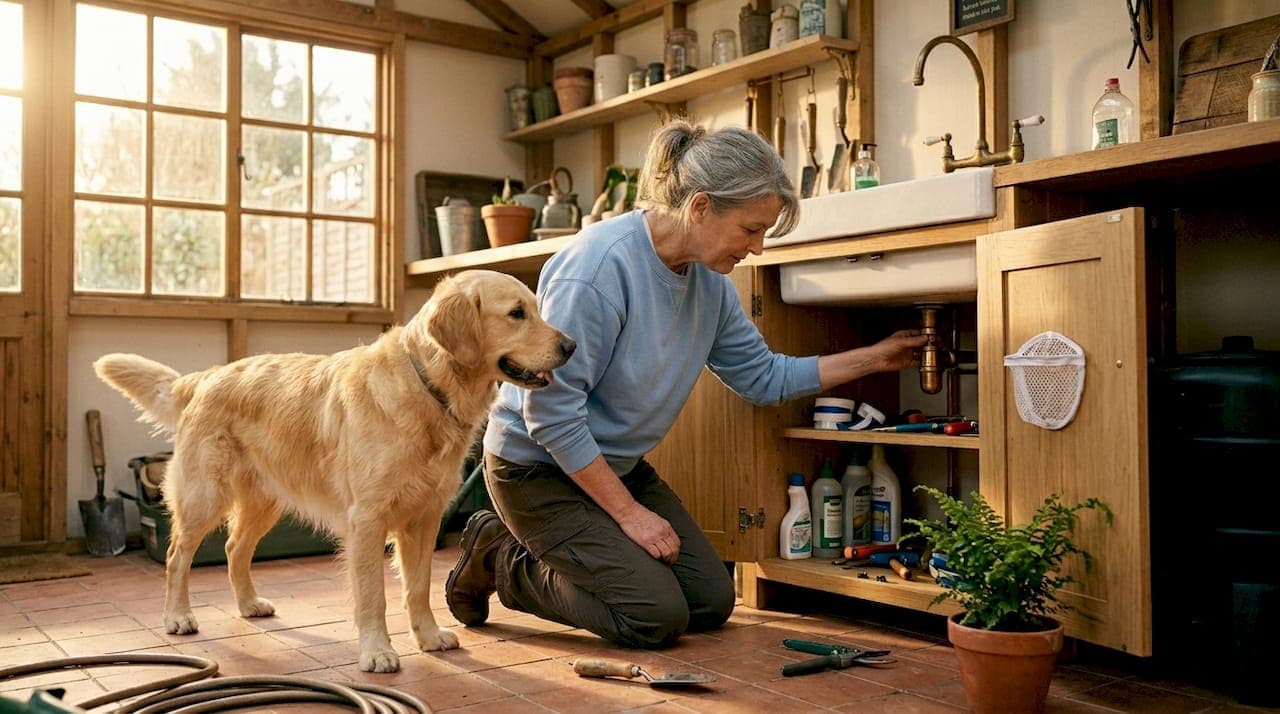
Most pet owners think about food, exercise, and vet visits. Plumbing rarely makes the list. Yet your pipes, drains, and the products you use to maintain them can pose real risks to your animals. From chemical hazards in household cleaners to lead contamination after repair work, the threats are specific and largely avoidable. This guide covers the most practical pet-friendly plumbing solutions available, so you can protect your pets without compromising on a functioning, well-maintained home.
Table of Contents
- Key takeaways
- 1. Know what actually puts your pets at risk
- 2. Choose non-toxic sealants and plumbing materials
- 3. Install reusable hair catchers to prevent drain clogs
- 4. Filter your water to remove lead and other contaminants
- 5. Flush your pipes after any plumbing work
- 6. Replace chemical drain cleaners with eco-friendly alternatives
- 7. Fit secure, pet-proof drain covers
- 8. Schedule plumbing work around your pets' routines
- 9. Comparison of key pet-friendly plumbing products
- 10. Know when to call a professional plumber
- My honest take on pet-safe plumbing
- Get professional plumbing that puts your pets first
- FAQ
Key takeaways
| Point | Details |
|---|---|
| Chemical hazards are the biggest risk | Avoid bleach and ammonia-based products near pets; use non-toxic alternatives for cleaning and unblocking drains. |
| Flushing lines after repairs matters | Run taps and showers after any plumbing work to reduce lead exposure for both pets and people. |
| Hair catchers prevent costly clogs | Reusable drain protectors like TubShroom stop pet hair blockages without chemical cleaners. |
| Schedule repairs around pet access | Keep animals away from treated areas until surfaces are fully dry to prevent residue exposure. |
| Professional help pays off | A qualified plumber can install pet-safe fixtures and advise on non-toxic maintenance from the start. |
1. Know what actually puts your pets at risk
Before choosing any pet-friendly plumbing solutions, you need a clear picture of where the dangers actually come from. There are three main categories.
The first is chemical exposure. Products like bleach, ammonia, and commercial drain cleaners leave residues on surfaces and release fumes that linger. ASPCA Animal Poison Control receives hundreds of thousands of calls yearly about pet exposure to these substances, with symptoms ranging from mouth and skin irritation to respiratory distress.
The second is water contamination. Lead can leach into drinking water from corroded pipes and older fixtures, and pets drinking from taps or bowls refilled with tap water face the same lead exposure risks as people.
The third is physical hazards. Open drain covers, unsecured pipe fittings, and standing water after a leak all create accident risks for curious animals, especially cats and small dogs.
2. Choose non-toxic sealants and plumbing materials
When repair or installation work is being done, the materials used inside your walls and around your fixtures matter more than most homeowners realise. Standard pipe joint compounds and sealants often contain chemicals that off-gas during and after application.
Look for sealants labelled as food-grade or VOC-free where possible. PTFE tape (commonly called plumber's tape) is widely used and considered safe once fully applied. For caulking around baths and sinks where pets bathe or drink, silicone-based products tend to be the lower-risk choice compared to solvent-based alternatives.
Pro Tip: Ask your plumber specifically whether the sealants and joint compounds they plan to use are low-VOC or food-grade approved. It is a quick conversation that most homeowners skip but makes a real difference in homes with animals.
3. Install reusable hair catchers to prevent drain clogs
Pet bathing is one of the most overlooked sources of plumbing trouble in a household. A single wash can shed enough fur to cause a partial drain blockage, and most owners reach for chemical drain cleaners when the problem builds up. That is exactly what you want to avoid.
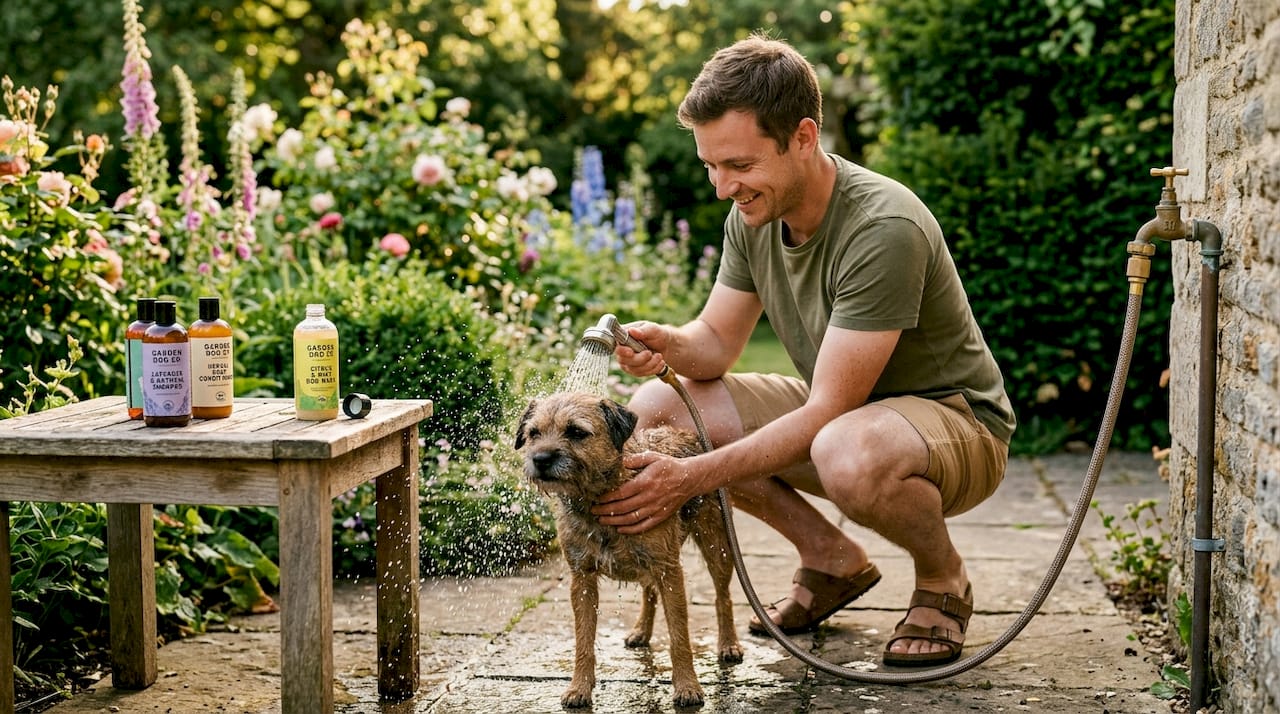
Reusable hair catchers like TubShroom sit inside the drain rather than on top of it, collecting hair around a central mushroom-shaped core. They fit standard 1.5-inch bath and shower drains, and cleaning them takes about thirty seconds. The key benefit is that they eliminate the need for chemical drain cleaners entirely, which is a significant win for pet-safe home repairs.
For kitchen sinks, a simple mesh basket strainer does the same job for food debris and any pet-related debris that finds its way in. Neither product requires installation by a professional and both cost under £15.
4. Filter your water to remove lead and other contaminants
If your home has older pipework, particularly pre-1970s lead supply pipes, water filtration is not optional. It is a direct safety measure for your pets. Animals drink frequently throughout the day and often from multiple sources around the home, which means their cumulative exposure to waterborne contaminants can be significant.
The EPA is clear that certified lead-removal filters properly installed on taps and supply lines reduce lead exposure meaningfully. Look for filters certified to NSF/ANSI Standard 53 specifically for lead reduction. Under-sink filters are the most thorough option. Filtered jug systems also work but need regular cartridge changes to remain effective.
A water filter is one of the simplest and most affordable animal-safe plumbing products you can add to your home. Costs start from around £30 for a basic under-tap model.
5. Flush your pipes after any plumbing work
This is the step that almost every homeowner skips, yet it is one of the most directly protective things you can do for your pets. After any plumbing repair, particularly work involving older pipes or new fittings, stagnant water in the lines can carry elevated levels of lead and other particulates.
The EPA recommends flushing pipes thoroughly by running cold water from each affected tap for at least two minutes. Run showers, laundry cold feeds, and any other outlets connected to the repaired section. Only then should you refill pet water bowls or allow animals to drink from those taps.
This applies after seemingly minor work too. Replacing a washer or tightening a joint can dislodge scale from inside older pipes and push it into the water supply temporarily.
6. Replace chemical drain cleaners with eco-friendly alternatives
Standard chemical drain cleaners are among the most hazardous products in the average home. They contain lye (sodium hydroxide) or sulphuric acid. Both can cause severe burns and release fumes that harm pets and the environment if inhaled or contacted.
The good news is the alternatives genuinely work. A combination of bicarbonate of soda and white vinegar followed by boiling water clears most minor blockages without leaving toxic residues. For more stubborn clogs, a mechanical drain snake handles the job without any chemistry involved at all. These are available from any DIY retailer for under £20.
If you do need a commercial product for a tough blockage, look for enzyme-based drain cleaners. These use biological processes to break down organic material and are far safer around animals than their caustic counterparts.
7. Fit secure, pet-proof drain covers
Standard drain covers in utility rooms, gardens, and bathrooms can be a physical hazard for small animals. Kittens and small dog breeds have been known to get paws or legs caught in poorly fitted grate-style covers, and open drains near pet play areas are an accident waiting to happen.
Replace loose-fitting or grate-style covers with solid, screw-fixed covers where pets have access. In outdoor areas, check that drain gratings are secure and have openings too small for paws. For indoor utility drains, consider a foam-sealed cover that can be removed for cleaning but stays in place during normal use. This is a small change with meaningful safety implications, particularly in homes with terriers or other breeds prone to investigating tight spaces.
8. Schedule plumbing work around your pets' routines
The timing of plumbing work affects how much chemical residue and fume exposure your animals experience. Airborne residues from freshly applied sealants, joint compounds, and cleaning products can cause drooling or lethargy in pets even without direct contact. The surface does not need to be wet to be a hazard.
Plan repairs for times when your pets can be kept in a separate part of the house or taken out for the duration. Ask your plumber how long treated surfaces need to dry before the area is safe. For most sealants, this is a minimum of four hours, though overnight is safer. You can find helpful guidance on routine plumbing maintenance that fits around your household's daily schedule.
Pro Tip: Let your plumber know you have pets before work begins. A good engineer will factor this into how they set up their workspace, seal off the area, and choose the products they use.
9. Comparison of key pet-friendly plumbing products
Here is a straightforward comparison to help you decide which solutions suit your household best.
| Solution | Pet safety | Maintenance | Approx. cost | Environmental impact |
|---|---|---|---|---|
| Reusable hair catcher (e.g. TubShroom) | High | Weekly clean | £10 to £15 | Low |
| NSF/ANSI 53 water filter | High | Cartridge every 3 to 6 months | £30 to £120 | Low |
| Enzyme-based drain cleaner | High | As needed | £5 to £12 per use | Very low |
| Bicarbonate and vinegar drain flush | Very high | As needed | Under £2 | Negligible |
| Secure screw-fixed drain cover | Very high | Annual check | £5 to £20 | Low |
| Low-VOC sealant | High | Reapply every 3 to 5 years | £8 to £25 | Low to moderate |
This table covers the core options for most pet owners. None of these require specialist installation, though a plumber can advise on water filter placement and help you identify whether your home has lead pipework.
10. Know when to call a professional plumber
Some plumbing situations go beyond what a hair catcher or a jug filter can address. If you suspect lead pipes, recurring drain blockages, or you are dealing with a leak in a finished wall, professional diagnosis is the right call. Modern plumbers trained in preventive maintenance can identify risks that are not visible to the naked eye, from corroded internal fittings to backflow risks at outdoor taps where pets drink.
For emergencies involving flooding or water extraction, getting professionals in quickly also protects your pets from water damage hazards. A resource like emergency water extraction can help you act fast when standing water is a risk to animals in the home.
For non-urgent work, check the plumbing maintenance checklist for a structured approach to keeping your system in good order across the year.
My honest take on pet-safe plumbing
I have seen a lot of households where the plumbing is technically fine but the products used around it are quietly causing problems for pets. The owners are doing everything right on the surface, and still the cat is lethargic or the dog keeps sneezing near the bathroom. Nine times out of ten, it comes back to chemical residues from drain cleaners or sealants that were applied and assumed safe the moment they dried.
What I have learned is that chemical residue exposure is underestimated precisely because the connection to plumbing work is not obvious. Nobody links a dog's upset stomach on a Tuesday to the drain cleaner used on Saturday. But these exposures accumulate.
My honest recommendation: treat the plumbing products in your home the same way you treat cleaning products around children. If you would not want it splashed on your hands, your pet should not be walking through it either. The switch to non-toxic alternatives is not a sacrifice. It is just a better habit.
— Michael
Get professional plumbing that puts your pets first

If you want plumbing work done properly, with animal safety genuinely factored in, Your-local-plumber is the straightforward choice. The engineers are experienced with both routine maintenance and urgent repairs, and they work transparently on pricing so there are no surprises.
Whether you need a full plumbing service or require an emergency plumber at short notice, Your-local-plumber can help you get the work done safely. Let the team know about your pets when you book, and they will plan the job accordingly.
FAQ
What are the safest drain cleaning options for pet owners?
Enzyme-based cleaners and the bicarbonate of soda and vinegar method are the safest options, as they leave no toxic residues. Both are effective on organic blockages caused by pet hair and food debris.
How soon after plumbing work can pets re-enter the area?
Keep pets away from treated areas for a minimum of four hours, and ideally overnight. Airborne residues from sealants and cleaning products can cause symptoms like drooling or lethargy even after surfaces appear dry.
Do I need to flush pipes after a plumber visits?
Yes, particularly if work involved older pipes or new fittings. The EPA recommends running cold taps for at least two minutes per outlet before allowing pets to drink from those sources.
Are water filters worth it for pet households?
Absolutely, especially in homes with pre-1970s pipework. Filters certified to NSF/ANSI Standard 53 remove lead effectively and provide ongoing protection for pets that drink from tap-fed water bowls.
Can pet hair really damage household drains?
Yes. Repeated bathing of medium and large dogs can shed enough fur to cause partial or full blockages over time. A reusable hair catcher like TubShroom prevents this without the need for any chemical drain products.