TL;DR:
- Water pressure affects plumbing performance, appliance efficiency, and system longevity.
- Maintaining pressure between 1 and 3 bar prevents damage and ensures proper fixture operation.
- Professional diagnosis and regulation, like installing pressure-reducing valves, protect home plumbing systems.
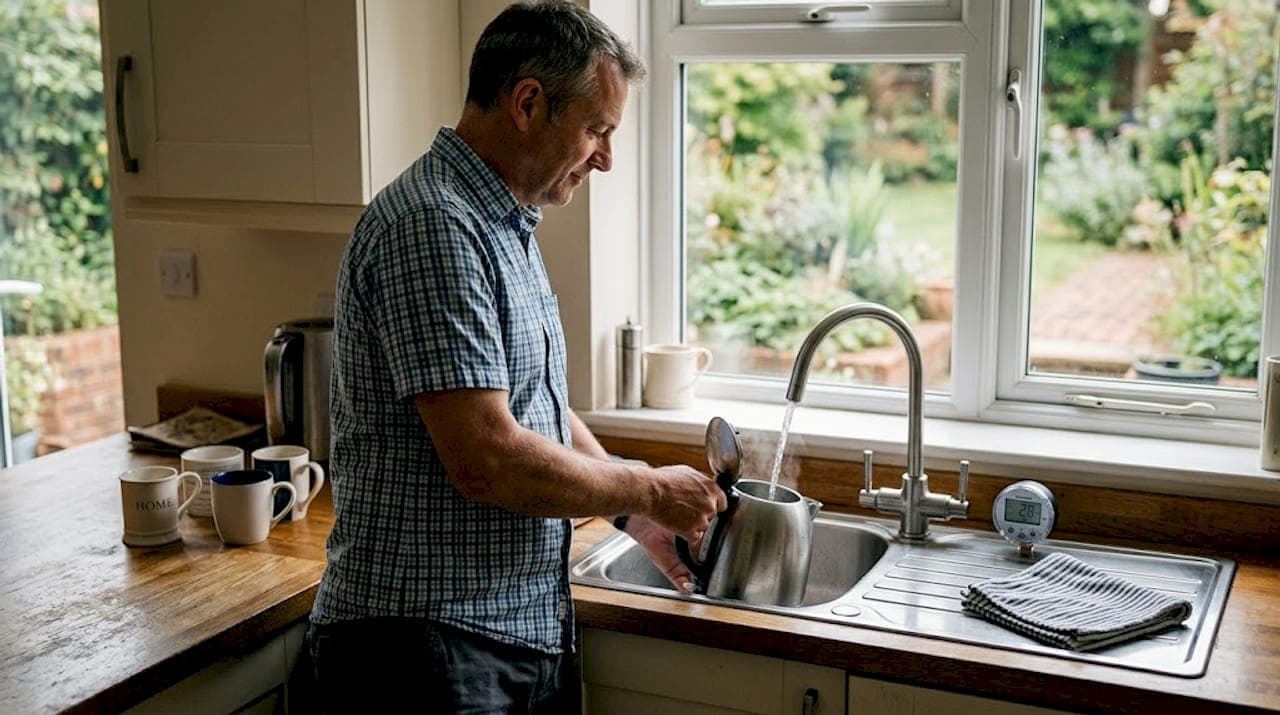
Most homeowners only notice water pressure when something goes wrong. The shower runs weak on a cold morning, a tap splutters, or the bath takes forever to fill. But the truth is that water pressure is influencing your plumbing every single day, often in ways you cannot see. Getting the balance right is not just about comfort. It directly affects the lifespan of your pipes, the efficiency of your appliances, and the safety of your entire plumbing system. This guide will give you the clarity and practical steps you need to understand, diagnose, and improve water pressure in your Reading home.
Table of Contents
- What is water pressure and why does it matter?
- How water pressure affects your plumbing fixtures
- Diagnosing common water pressure problems
- Regulations and standards for safe water pressure
- Why water pressure is the silent culprit in home plumbing challenges
- Get expert help with water pressure problems in Reading
- Frequently asked questions
Key Takeaways
| Point | Details |
|---|---|
| Water pressure basics | Water pressure is crucial for moving water efficiently through your home’s pipes and fixtures. |
| Impacts of extremes | Both low and high water pressure can undermine fixture performance and risk expensive repairs. |
| Diagnosing issues | Most water pressure problems can be narrowed down to either internal faults or external supply problems. |
| Compliance matters | UK regulations set minimum and maximum pressure limits to keep plumbing safe and effective. |
| Professional support | Calling a local plumber is often the best option when pressure issues persist or seem complex. |
What is water pressure and why does it matter?
Water pressure is the force that pushes water from the mains supply through your pipes and out of your taps, showers, and appliances. In the UK, it is measured in bar or PSI (pounds per square inch). One bar is roughly equal to 14.5 PSI, and water pressure drives performance across every fixture and appliance in your home.
For most UK households, the acceptable range sits between 1 and 3 bar. A supply below 1 bar is generally considered too low to run everyday fixtures reliably. A supply above 3 bar on a sustained basis can start causing serious damage. The table below shows what different pressure levels typically mean in practice.
| Pressure level | Bar reading | What you might notice |
|---|---|---|
| Very low | Below 1 bar | Showers barely run, cisterns fill slowly |
| Normal | 1 to 2 bar | Fixtures perform as expected |
| Good | 2 to 3 bar | Strong flow, appliances work efficiently |
| High | Above 3 bar | Banging pipes, potential for leaks |
| Dangerously high | Above 5 bar | Risk of burst pipes and appliance failure |
Understanding where your home sits on this scale matters because both extremes create problems. Poor maintenance impact is often the first thing to worsen a borderline pressure situation, turning a manageable issue into a costly repair.
Here is what homeowners commonly experience at each end of the spectrum:
- Too low: Slow-filling toilet cisterns, weak shower flow, dishwashers not rinsing properly, and inconsistent hot water delivery
- Too high: Noisy banging pipes (often called water hammer), dripping taps even when fully closed, and appliances wearing out faster than they should
"Many homeowners assume that their plumbing problems are down to old pipes or ageing fixtures. In a significant number of cases, the underlying cause is simply water pressure sitting outside the safe range."
Getting familiar with basic plumbing terminology helps you communicate issues more accurately when you do call a professional, which in turn gets you to the right solution faster.
How water pressure affects your plumbing fixtures
Every fixture in your home has been designed to operate within a specific pressure range. Step outside that range and performance suffers, or worse, the fixture begins to fail. Both low and high pressure harm plumbing in different but equally damaging ways.
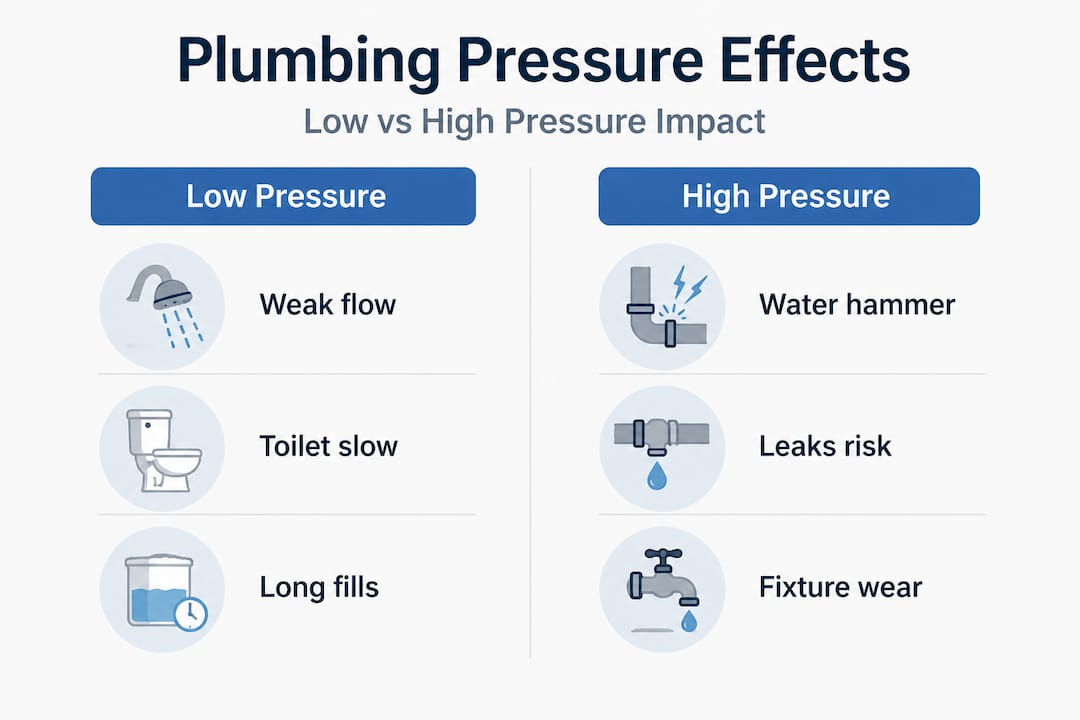
The comparison below outlines how the two pressure extremes affect your key fixtures.
| Fixture | Effect of low pressure | Effect of high pressure |
|---|---|---|
| Shower | Weak, barely satisfying flow | Excessive spray, potential valve damage |
| Toilet | Slow or incomplete flush | Water hammer on fill, valve wear |
| Washing machine | Incomplete cycles, error codes | Hose stress, potential bursting |
| Dishwasher | Poor rinsing, longer cycles | Pump strain, connection leaks |
| Hot water boiler | Insufficient flow rate, inefficiency | Pressure relief valve trips frequently |
| Garden tap | Trickle flow | Hose fittings can split or leak |
Low pressure affects your quality of life in ways that feel minor at first but compound over time. A toilet that does not flush completely every cycle will accumulate blockages faster. A washing machine that struggles to fill properly will run longer cycles, increasing your energy bills and wear on the drum.
High pressure brings a different set of risks. The most telling sign is often the sound. Water hammer, which is a loud banging noise when you shut off a tap quickly, happens because high-pressure water has significant momentum and jolts through the pipe when flow suddenly stops. This constant stress on joints and connections leads to premature plumbing failures that a routine check could have caught early.
Most manufacturers specify a minimum and maximum operating pressure for their products. A standard shower valve typically needs at least 0.5 bar to function, though gravity-fed systems often need a booster. Washing machines commonly require between 1 and 10 bar. Running appliances outside these ranges voids warranties and shortens their working life considerably.
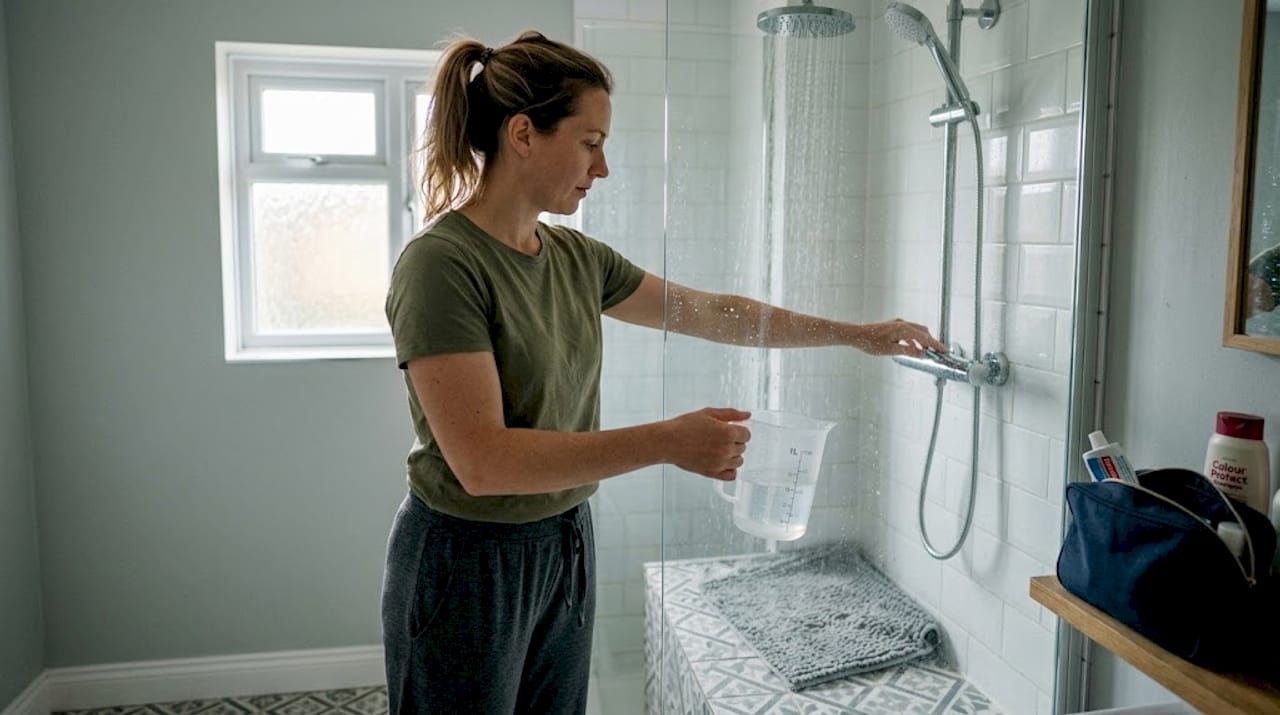
Pro Tip: Run your shower at full flow and time how long it takes to fill a one-litre jug. If it takes longer than six seconds, your flow rate is below 10 litres per minute, which is a strong indication of a pressure or flow restriction worth investigating.
Understanding the role of a plumber in assessing fixture-level pressure means you will know exactly what questions to ask when you bring in a professional.
Diagnosing common water pressure problems
Identifying a water pressure problem sounds straightforward, but the process of pinpointing the cause requires a methodical approach. When diagnosing pressure problems, the key is distinguishing between an internal plumbing issue and an external supply problem from your water network.
Follow these steps to systematically narrow down the cause:
-
Identify the scope of the problem. Is the weak pressure isolated to one tap or one room, or does it affect the whole house? A single fixture with low flow suggests a local blockage or faulty valve. Whole-house weak pressure points toward the mains supply or your internal stopcock.
-
Check your stopcock. The main stopcock is usually found under the kitchen sink or near the front of the property. If it has been partially turned during previous work and not fully reopened, it will restrict flow throughout the home.
-
Look for limescale build-up. Hard water areas, including much of the south of England, are prone to limescale deposits in aerators, showerheads, and pipe joints. Unscrewing a tap aerator and finding it clogged with white deposits is a common discovery that explains poor flow in a single fixture.
-
Check for visible leaks. A slow leak anywhere in your pipework bleeds pressure from the system. Check under sinks, around the base of the toilet, and near appliance connections for damp patches or corrosion.
-
Assess your valves and pressure reducing valve. Homes fitted with a PRV (pressure reducing valve) that has failed will often see either a sudden drop or unexpected surge in pressure. A qualified engineer can test this quickly.
-
Talk to your neighbours. If households on the same street are all experiencing weak pressure at similar times, the issue almost certainly lies with the mains network or a scheduled maintenance task by your water company.
"Isolating whether the fault sits inside your home or on the street is the single most important diagnostic step, because the fix for each is completely different."
Pro Tip: A blockage in a single fixture, such as a clogged aerator or a partially closed service valve under a basin, is far more common than a whole-house pressure failure. Always check the simplest explanation first before assuming the worst.
When self-diagnosis does not produce a clear answer, the guidance in our emergency plumbing guide gives a useful structured approach. Knowing which questions to ask your plumber before they arrive will also help you get an accurate diagnosis faster and reduce call-out time.
Regulations and standards for safe water pressure
The UK has clear standards in place to protect homeowners and properties from the risks of incorrect water pressure. Water companies are legally required to maintain a minimum mains pressure of 1 bar at the boundary of your property. If your supply consistently falls below this, you have grounds to report it formally to your water provider.
On the upper end, most plumbing codes and manufacturers recommend that static household water pressure does not exceed around 80 PSI (approximately 5.5 bar). Devices like pressure-reducing valves are required when the mains supply delivers pressure higher than this safe threshold.
Here is what UK homeowners need to know about key pressure regulations:
- 1 bar minimum: Your water company must maintain at least 1 bar pressure at the edge of your property under normal operating conditions
- PRVs are often required: If your mains supply regularly exceeds safe limits, installing a PRV is both a regulatory expectation and a practical necessity
- Water Regulations Advisory Scheme (WRAS): All plumbing fittings and products installed in UK homes must meet WRAS approval to ensure they are rated for the pressures they will experience
- Building Regulations Part G: Covers water supply and drainage requirements for domestic properties, including provisions around pressure management
Ignoring pressure regulation creates real consequences. A home running consistently above 5 bar risks burst pipes, failed appliance connections, and water damage. More subtly, it accelerates the degradation of washers, seals, and joints throughout the system, leading to a pattern of repeated small leaks that most homeowners attribute to old age rather than the actual cause.
Understanding your obligations under UK plumbing regulations as a homeowner helps you make smarter decisions when carrying out any plumbing work or engaging a contractor.
Key statistic: Homes with unregulated high pressure can experience up to three times the rate of minor leak events compared to homes operating within the 1 to 3 bar range. Fitting a single PRV, which typically costs between £80 and £200 installed, can prevent years of repeated repair costs.
Why water pressure is the silent culprit in home plumbing challenges
Here is something most plumbing guides will not tell you: static pressure readings are often misleading, and focusing on them alone will lead you to the wrong fix.
When a plumber or homeowner measures water pressure at rest, that is before any taps are open, they are measuring static pressure. But your fixtures do not operate at rest. They operate under demand, when water is flowing. The pressure available at a shower outlet when the shower is actually running is called residual or flow pressure, and fixture performance depends on flow conditions, not the static reading.
This distinction matters enormously in practice. We have visited homes where the static pressure reads a perfectly normal 2 bar, yet the shower runs disappointingly weak. Why? Because the pipework feeding that shower is undersized, partially blocked, or shared with too many other outlets drawing from the same supply simultaneously. The static reading told only part of the story.
The other widespread misconception is that all weak flow is a pressure problem. In our experience, a surprising number of cases turn out to be fixture-specific: a blocked aerator, a faulty cartridge inside a mixer tap, or a partially closed service valve that was never fully reopened after a previous repair. Replacing the entire booster pump or calling the water company is the wrong answer when a £5 aerator replacement would have solved it in ten minutes.
Genuinely effective plumbing assessment combines standards with on-site measurement under real operating conditions. A trusted engineer will test pressure at the mains entry point, at key distribution points within the property, and at the problematic fixture itself, comparing all three to form an accurate picture. Committing to ongoing maintenance is what keeps this picture accurate year after year, catching the early warning signs before they become expensive repairs.
The routine checks that most guides omit are the ones that matter most: annual inspection of PRV function, seasonal checks on outdoor pipework susceptible to pressure changes with temperature, and descaling showerheads and aerators at least twice a year in hard water areas like Reading. These small actions prevent the slow, silent degradation that eventually becomes a burst pipe or a failed appliance warranty claim.
Get expert help with water pressure problems in Reading
If you have worked through the diagnostics and checks described in this guide and the problem persists, it is time to bring in a professional. Water pressure issues that involve the mains supply, PRV failure, or widespread low flow throughout the property are not jobs for DIY solutions.

At Your Local Plumber, we work with homeowners across Reading and the surrounding areas to assess, diagnose, and resolve water pressure problems properly. Whether you are dealing with weak showers, noisy pipes, or a full system inspection, our experienced engineers use calibrated pressure testing equipment to give you an accurate picture of what is happening in your home. We also cover plumber in Swindon and other nearby communities, ensuring fast response wherever you are based. You can view real-world examples of our completed pressure and plumbing work in our service gallery. Get in touch today for a straightforward assessment, honest advice, and transparent pricing with no hidden charges.
Frequently asked questions
How can I tell if low water pressure is caused by an issue inside my home or by the mains supply?
Compare your experience with a direct neighbour. If they also have low pressure, the cause is likely a mains network issue, whereas if only your home is affected, check your internal stop taps, valves, and visible pipe connections for leaks or restrictions.
What is the minimum water pressure required for UK homes?
UK household supply requires a minimum of 1 bar at the property boundary, though individual fixtures such as power showers or washing machines may specify higher minimums in their manufacturer guidelines.
Is high water pressure dangerous for plumbing fixtures?
Yes. High pressure causes leaks, premature wear on seals and washers, and water hammer, all of which shorten the lifespan of your pipes, taps, and appliances significantly.
What tools or devices help regulate home water pressure?
Pressure-reducing valves are the standard solution when mains pressure is too high, fitted at the point where the supply enters the property and adjusted to deliver a safe, consistent pressure to all fixtures downstream.