TL;DR:
- Regular pipe maintenance and early detection of issues help homeowners avoid costly repairs and extend pipe lifespan. Conduct monthly inspections, follow seasonal routines, and monitor water pressure to safeguard plumbing systems effectively. Address warning signs promptly and maintain good habits to prevent common pipe problems over time.
Pipe maintenance, defined as the routine inspection and care of your home's plumbing system, is the single most effective way to avoid expensive emergency repairs. The pipe maintenance habits homeowners build early can mean the difference between a £50 fix and a £950 bill. Typical plumbing repairs cost around £330, but that figure climbs steeply when small problems are left to worsen. With the right tools, such as pressure gauges, mesh drain strainers, and a simple seasonal checklist, you can protect your home's plumbing and extend its working life significantly.
1. How often should you inspect and maintain your pipes?
Industry best practice calls for monthly visual inspections, six-month system checks, and professional inspections every 2–3 years. The frequency should increase as your home ages. Older properties with copper or galvanised steel pipes are more prone to corrosion and joint failure, so annual professional visits are worth the cost.
Here is a clear schedule to follow:
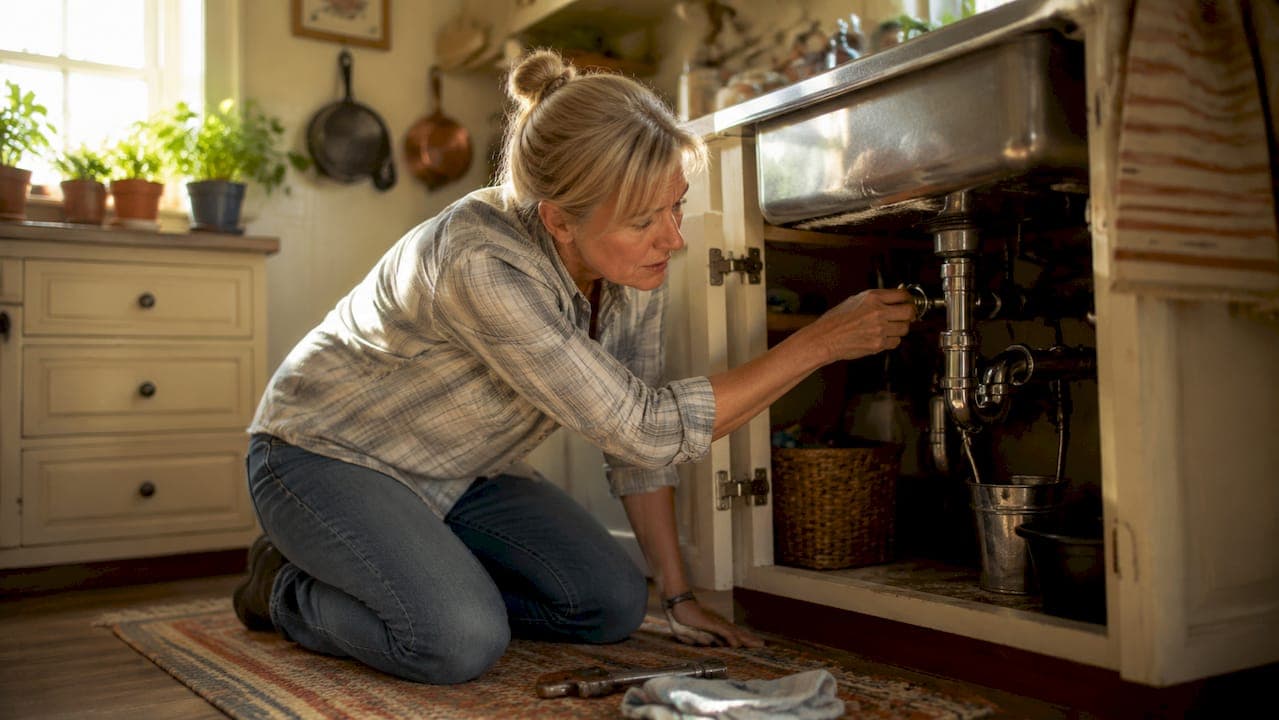
- Monthly: Walk through your home and check under sinks, around the base of toilets, and behind washing machines for moisture, drips, or discolouration.
- Every six months: Measure your water pressure using a screw-on pressure gauge, check exposed pipes for rust or mineral deposits, and run water through infrequently used taps to clear stagnant water.
- Every 2–3 years: Book a professional plumbing inspection. An engineer can identify hidden leaks, assess pipe condition, and flag anything that needs replacing before it fails.
- Seasonally: Carry out specific tasks tied to winter and summer, such as insulating pipes before a cold snap or checking outdoor taps after a frost.
Pro Tip: Set a recurring calendar reminder on your phone for the first weekend of each month. Linking your inspection to a fixed date means it actually happens rather than being pushed back indefinitely.
2. What everyday habits prevent common pipe problems?

The most damaging pipe problems do not appear overnight. They build up through repeated small actions, such as pouring grease down the sink or skipping a drain clean for months. Changing a few daily habits removes the root cause of most blockages and leaks.
Follow these practices consistently:
- Fit mesh strainers in every sink and shower. Mesh strainers catch hair and food debris before they enter the pipe. This one step prevents the majority of slow drains and blockages.
- Never pour cooking oil or grease down the drain. Fat solidifies inside pipes and traps other debris. Pour cooled grease into a sealed container and dispose of it in your general waste bin.
- Run hot water after washing dishes. A 30-second flush of hot water after dishwashing clears soap residue and food particles from the pipe before they settle.
- Stop using chemical drain cleaners. Chemical drain cleaners damage pipe integrity over time and can create new problems that cost more to fix than the original blockage. Use a drain snake or a plunger instead.
- Be strict about what goes down the toilet. Only human waste and toilet paper belong in the toilet. Wet wipes, cotton wool, and sanitary products cause blockages even when labelled as flushable.
- Clean your drains monthly. Pour a kettle of boiling water down each drain once a month to shift grease and soap build-up before it hardens into a clog.
Pro Tip: Keep a small drain snake under your bathroom sink. A £10 tool from any DIY shop clears most hair blockages in under two minutes without touching your pipes.
3. Which signs indicate your pipes need immediate attention?
Early detection is the difference between a quick fix and a full pipe replacement. Slow drains, low water pressure, rust-coloured water, damp patches, and rising water bills all signal plumbing issues that need attention. Catching these signs early allows cheaper, simpler repairs before the problem escalates.
Watch for these warning signs:
- Rust-coloured or discoloured water from your taps points to corrosion inside your pipes or water heater. Do not ignore it.
- Persistent slow drains across multiple fixtures suggest a blockage deep in the main drain line, not just a surface clog.
- Low water pressure throughout the house can indicate a hidden leak, a failing pressure regulator, or significant mineral build-up inside the pipes.
- Damp patches under sinks or on walls mean water is escaping somewhere it should not. Even small amounts of moisture cause mould and structural damage over time.
- Unusual noises such as banging, gurgling, or whistling from your pipes often point to pressure problems, trapped air, or loose fittings.
- A sudden rise in your water bill without any change in usage is one of the clearest signs of a hidden leak. To test this, turn off all taps and appliances, then check your water meter. If the dial still moves, water is escaping somewhere in your system.
You can find a detailed breakdown of these symptoms in this guide to hidden plumbing risks at home.
4. How to manage water pressure and why it matters
Water pressure is one of the most overlooked factors in home plumbing maintenance. Correct water pressure sits between 40 and 60 psi for most homes. Pressure above this range puts constant stress on pipe joints, seals, and appliance connections, accelerating wear and increasing the likelihood of leaks.
| Pressure level | Reading (psi) | Effect on pipes |
|---|---|---|
| Too low | Below 40 | Poor flow, appliances underperform |
| Optimal | 40–60 | Normal wear, good performance |
| Too high | Above 60 | Joint stress, seal damage, faster wear |
| Dangerously high | Above 80 | Risk of burst pipes and appliance failure |
A screw-on pressure gauge costs under £15 and fits onto any outdoor tap or washing machine inlet. Water pressure monitoring via a pressure gauge is an often-overlooked step in pipe care, yet it takes less than five minutes. If your reading is consistently above 60 psi, a plumber can fit a pressure-reducing valve to bring it back into a safe range.
Pro Tip: Test your water pressure first thing in the morning before anyone in the house uses water. This gives you the most accurate baseline reading.
5. What are the key steps for seasonal plumbing maintenance?
Linking maintenance tasks to seasonal changes is the most reliable way to make sure nothing gets missed. Each season brings specific risks to your plumbing, and a short checklist for each one keeps your system in good condition year-round.
Autumn and winter
- Insulate exposed pipes in lofts, garages, and under floors before temperatures drop. Foam pipe lagging is inexpensive and straightforward to fit.
- Drain and disconnect outdoor hoses before the first frost. Water left in an outdoor tap or hose can freeze, expand, and crack the fitting.
- Know where your stopcock is. If a pipe bursts in winter, you need to turn off the water supply immediately. Check that your stopcock turns freely before you need it in an emergency.
Spring and summer
- Flush your water heater annually to remove sediment. Sediment build-up in water heaters forces the unit to work harder, raises energy bills, and risks tank damage. Flushing takes around 20 minutes and extends the heater's life considerably.
- Check braided steel hoses on washing machines and dishwashers. These should be replaced every 5–7 years. A failed hose can flood a room in minutes.
- Clear external drains and gutters before heavy rain. Blocked drains around the property can force water back towards the house foundations.
For a full seasonal breakdown, the plumbing maintenance checklist for UK homeowners covers every task by time of year.
6. How long do pipes last with proper care?
Pipe lifespan is directly tied to how consistently you maintain your system. Household plumbing components last 8–12 years with consistent preventive maintenance. Reaching the upper end of that range requires routine care, not occasional attention when something goes wrong.
A maintenance strategy built around three pillars works best: regular inspection, active maintenance, and planned upgrades. Inspection catches problems early. Maintenance prevents them from forming. Planned upgrades replace components before they fail rather than after. Together, these three actions remove the conditions that lead to emergency call-outs. For practical ways to reduce costs while following this approach, the guide to cutting plumbing costs for Reading homes is a useful starting point.
Key takeaways
Consistent, scheduled pipe maintenance is the most cost-effective way to extend your plumbing system's life and avoid emergency repair bills.
| Point | Details |
|---|---|
| Inspect on a fixed schedule | Monthly visual checks and six-month system reviews catch problems before they escalate. |
| Change daily habits | Avoid grease, chemical cleaners, and non-flushable items to prevent most blockages. |
| Monitor water pressure | Keep pressure between 40 and 60 psi using a screw-on gauge to protect joints and seals. |
| Maintain seasonally | Insulate pipes in winter and flush your water heater each spring to prevent seasonal damage. |
| Act on warning signs early | Rust-coloured water, slow drains, or a rising water bill all need investigation without delay. |
What I have learned from years of watching homeowners get this wrong
Most homeowners treat plumbing the same way they treat their car's engine light. They notice the warning sign, decide it is probably nothing, and carry on until something expensive happens. I have seen this pattern repeat itself more times than I can count.
The uncomfortable truth is that the habits that protect your pipes take less than an hour a month in total. A pressure gauge check, a look under the sink, a quick drain flush. None of it is difficult. What makes the difference is doing it on a fixed schedule rather than whenever you happen to think about it.
The tools every homeowner should own are a screw-on pressure gauge, a set of mesh drain strainers, a basic drain snake, and foam pipe lagging for any exposed pipes. The total cost is under £40. That is a fraction of the average repair bill for problems that these four items prevent.
The other thing I would say is this: do not wait for a professional inspection until something goes wrong. Book one every two to three years as a matter of routine, particularly if your home is more than 20 years old. An experienced engineer will spot things you cannot see, and the cost of an inspection is always less than the cost of the repair it prevents.
— Michael
How Your-local-plumber can support your maintenance routine
Even the most diligent homeowner benefits from a professional set of eyes on their plumbing system every few years. Your-local-plumber provides thorough plumbing inspections carried out by experienced engineers who can identify hidden leaks, assess pipe condition, and recommend upgrades before problems develop into emergencies.

Whether you need a one-off inspection, help with a specific issue, or ongoing support for your home's plumbing, Your-local-plumber offers clear, transparent pricing and fast response times across its service area. Visit Your-local-plumber to book an inspection or speak to an engineer about your home's plumbing needs. Preventive care is always the cheaper option, and the team is ready to help you stay ahead of problems before they become costly.
FAQ
How often should homeowners check their pipes?
Monthly visual inspections are the minimum recommended frequency for most homes. A full system check, including water pressure measurement, should happen every six months, with a professional inspection every 2–3 years.
What is the correct water pressure for a home?
The recommended range is 40–60 psi for most residential properties. Pressure above 60 psi puts stress on pipe joints and seals, increasing the risk of leaks and premature wear.
Are chemical drain cleaners safe to use on home pipes?
No. Chemical drain cleaners corrode pipes over time and often create new damage that costs more to repair than the original blockage. Use a drain snake or plunger instead.
What are the first signs of a plumbing problem?
Rust-coloured water, slow drains, low water pressure, damp patches under sinks, and an unexplained rise in your water bill are the most common early warning signs. Any of these warrants investigation.
How can I tell if I have a hidden leak?
Turn off all taps and water-using appliances, then check your water meter. If the dial continues to move, water is escaping somewhere in your system and you should contact a plumber promptly.