TL;DR:
- Proper winter plumbing preparation involves insulating vulnerable pipes, maintaining consistent indoor temperatures, and managing outdoor water sources to prevent freezing damage. Recognizing high-risk areas such as outdoor taps and uninsulated pipes, along with proactive measures like drip methods and shutting off external water supplies, significantly reduces burst risks. Regular inspections and timely professional assistance ensure plumbing systems stay resilient during freezing conditions.
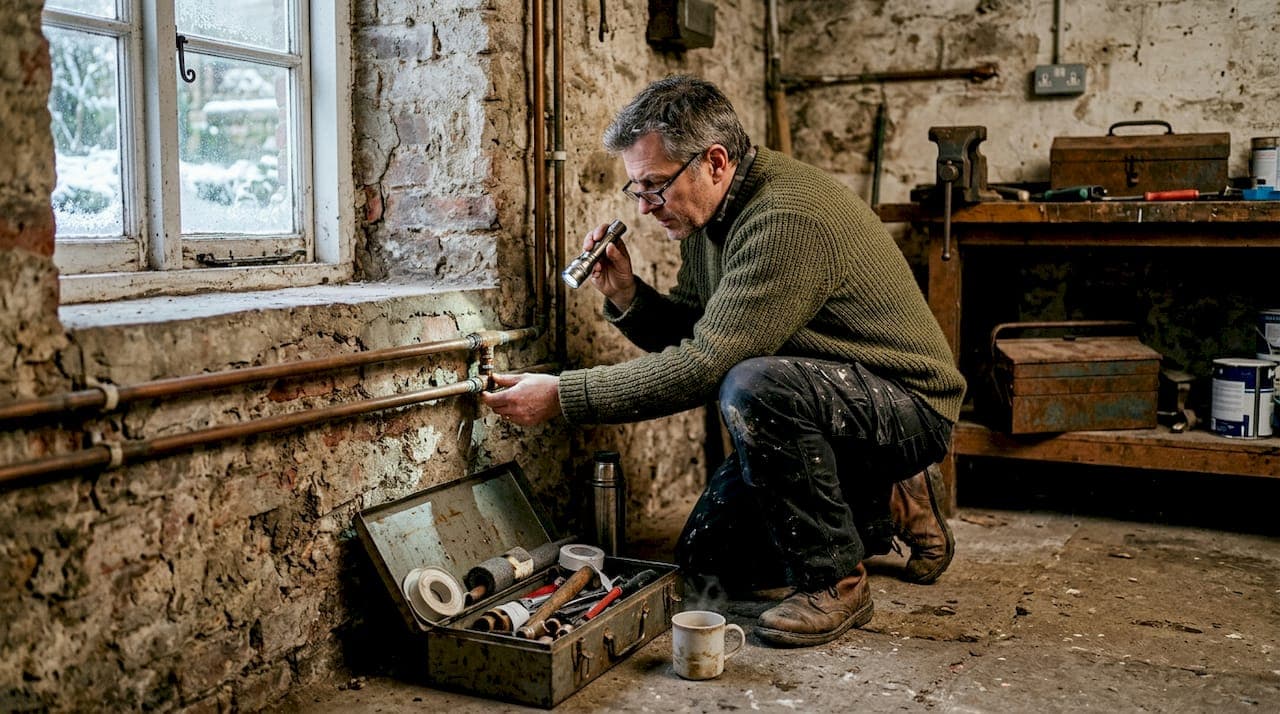
Winter is when plumbing problems stop being inconveniences and start becoming emergencies. A single burst pipe can release hundreds of litres of water into your home within minutes, and most of the damage happens not when temperatures plummet, but when the thaw begins. Many homeowners assume their plumbing is fine simply because they haven't spotted a leak yet. These essential winter plumbing tips will change how you think about cold-weather preparation, walking you through every critical step before the first serious frost arrives.
Table of Contents
- Key takeaways
- Essential winter plumbing tips: know your vulnerabilities first
- 1. Insulate and seal vulnerable pipes and taps
- 2. Manage water flow and drainage to prevent freezing
- 3. Maintain heating and monitor thermostat settings
- 4. Prepare outdoor plumbing and irrigation systems for winter
- 5. Comparison of key winter plumbing protection methods
- What I've learned about winter plumbing the hard way
- Ready to protect your home this winter?
- FAQ
Key takeaways
| Point | Details |
|---|---|
| Insulate before frost hits | Fit foam tubing or heat tape to exposed pipes in unheated spaces before temperatures drop. |
| Keep heating on when away | Set your thermostat to at least 13°C even during absences to stop pipes freezing. |
| Know your main shut-off valve | Locating it now means you can cut the water fast if a pipe bursts during winter. |
| Drip taps during extreme cold | A pencil-lead-thin drip from a cold tap relieves pressure and significantly lowers freeze risk. |
| Disconnect outdoor hoses early | Leaving garden hoses attached traps water and can cause faucets and connected pipes to burst. |
Essential winter plumbing tips: know your vulnerabilities first
Before you reach for insulation tape or adjust your thermostat, you need to understand where your plumbing is actually at risk. Not all pipes freeze equally. The ones in heated, insulated interior walls are largely fine. The ones you need to worry about are a different matter entirely.
Common vulnerable areas include:
- Outside taps and hose bibbs attached to exterior walls
- Pipes running through unheated garages or lofts
- Pipes in crawl spaces beneath the ground floor
- Kitchen and bathroom pipes on exterior walls, particularly in older properties
- Any section of pipework passing through an uninsulated void or cavity
Temperature is the trigger. Water begins to freeze at 0°C, but pipes typically burst because of the pressure build-up that freezes water creates rather than the ice itself. Knowing the location of your main shut-off valve is non-negotiable. If a pipe does fail, every second before you reach that valve translates directly into water damage.
As part of your winter plumbing preparation steps, also check for gaps around pipe penetrations in external walls, draughts near your boiler cupboard, and any signs of previous water marks that might suggest a slow leak already in progress.
Pro Tip: Run your hand along pipes in unheated spaces on a cold day. If they feel noticeably colder than pipes in heated rooms, that section needs insulation.
1. Insulate and seal vulnerable pipes and taps
Insulation is the single most cost-effective thing you can do to prevent frozen pipes, and it's something most homeowners either skip entirely or do poorly. The goal is to reduce the rate at which cold air strips heat from your pipework.
Foam pipe lagging is your starting point. It's cheap, available at most DIY retailers, and fits over standard copper and plastic pipes. Cut it to length, slot it over the pipe, and seal the joins with duct tape. The key mistake people make is leaving gaps at joints, bends, and where pipes enter walls. Those gaps are exactly where freezing starts.
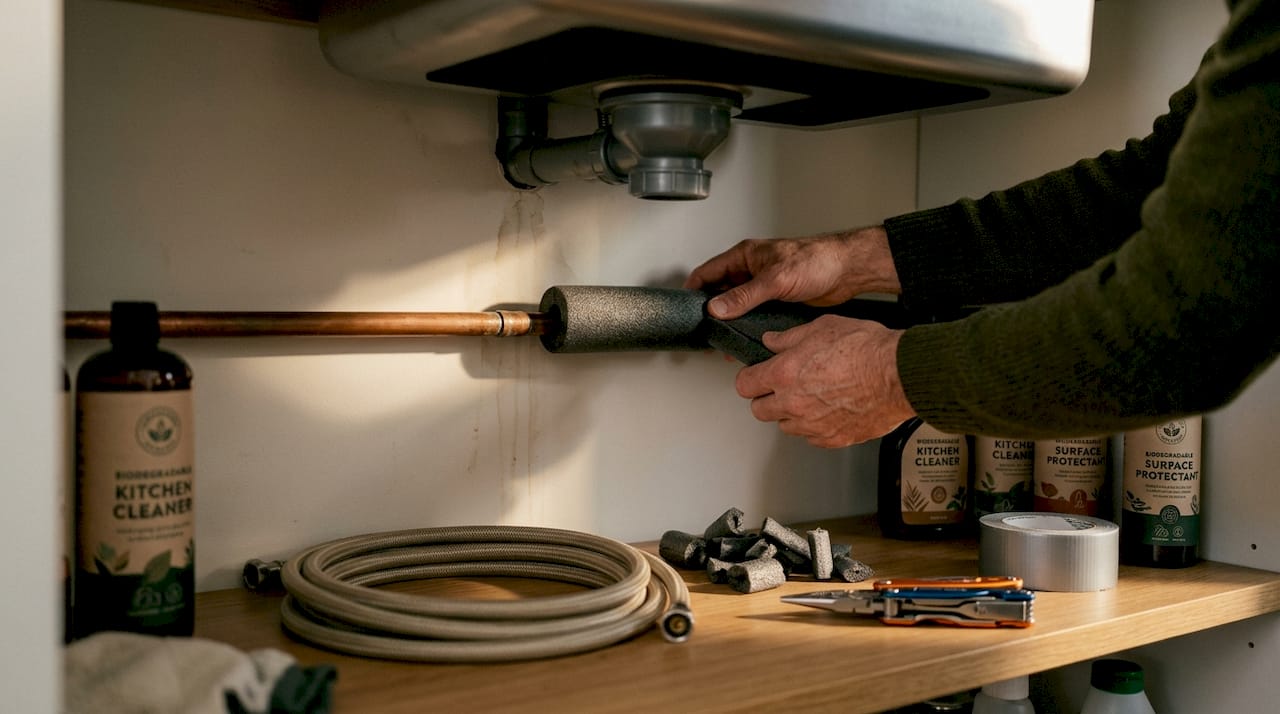
For pipes in genuinely extreme positions, such as those running across an uninsulated loft floor, heat tape is worth considering. This is a thermostatically controlled electric cable you wrap around the pipe. It only activates when temperature drops near freezing, so running costs are minimal.
Don't forget your outside taps. Fit an insulated tap cover over each one. These are inexpensive and take about two minutes to fit. While you're at it, seal any gaps or cracks around pipe entries in exterior walls with exterior-grade silicone or expanding foam. Cold air moves through small gaps surprisingly fast.
Older properties deserve extra attention here. Cast-iron and galvanised steel pipes found in homes built before the 1970s are more brittle at low temperatures and more susceptible to cracking. If your home has exposed pipes of this type, wrapping them in additional lagging layers pays off.
Pro Tip: When fitting foam lagging, cut a neat 45-degree mitre at pipe bends rather than trying to force straight tubing around corners. It gives better coverage and stays in place far longer.
2. Manage water flow and drainage to prevent freezing
Water that moves doesn't freeze as readily as standing water. That's the principle behind one of the most practical and underused plumbing tips for cold weather: the drip method.
- Identify the tap furthest from your main supply entry point, typically one on an exterior-facing wall.
- Open it just enough to produce a pencil-thin drip of water. You're not running a trickle, just maintaining the slowest possible flow.
- Do this on nights when temperatures are forecast to fall below minus 5°C.
- Place a small container under the tap and use the collected water for plants or cooking to avoid waste.
The science is straightforward. Moving water has lower freeze resistance, but the real benefit is pressure relief. When a pipe begins to freeze, pressure builds between the blockage and the tap. A dripping tap bleeds that pressure away, making a catastrophic burst far less likely.
Cabinet doors in kitchens and bathrooms matter too. Under-sink pipework sits next to exterior walls in many homes, and those cabinet doors actually trap warm room air away from the pipes. Opening the doors on cold nights lets warm air circulate freely around the pipework beneath.
If you're leaving the property for more than a few days during winter, consider turning off the water at the main stop tap and draining the system by opening taps until they run dry. This eliminates any standing water in the pipes.
Pro Tip: If you're going away, ask a neighbour to check your home every two to three days. A small pipe issue caught early is a minor repair. The same issue left unnoticed for a week is a much larger one.
3. Maintain heating and monitor thermostat settings
This is where a lot of homeowners make an expensive mistake. They turn the heating off entirely when they go on holiday, thinking they're saving money. What they're actually doing is creating the perfect conditions for frozen pipes.
Key heating practices for winter plumbing maintenance:
- Keep your thermostat set to a minimum of 13°C at all times, even when the property is empty
- Avoid letting any room in the house drop significantly below the rest, particularly rooms with exposed pipework
- Do not turn off your boiler entirely during cold snaps, even for short absences
- Use a smart thermostat if you have one to monitor and adjust temperature remotely
- Consider a frost protection setting on your boiler if it has one, typically set between 5°C and 8°C
The cost of keeping a property at 13°C for a week is modest. The cost of repairing burst pipework, replacing flooring, and drying out plasterwork is not. Consistent indoor heating is one of the most reliable protections your plumbing has against winter damage.
In rooms or spaces where your central heating doesn't reach effectively, a thermostatically controlled portable heater can fill the gap. Plug-in radiators with a frost-setting mode are inexpensive and only run when the temperature drops near freezing, making them energy-efficient in practice. Heat tape on pipes in particularly cold spots, such as a garage or outbuilding with plumbing, works on the same principle.
4. Prepare outdoor plumbing and irrigation systems for winter
Garden taps, irrigation lines, and outdoor water features are the most overlooked part of any winter plumbing protection checklist. They're also consistently the source of some of the most avoidable damage.
- Disconnect and drain all garden hoses before the first frost. Leaving hoses connected traps water in the tap body itself. When that water freezes, it can split the tap or, worse, crack the pipe behind the wall.
- Locate your outdoor stop tap if you have one. Turn it off and then open the outdoor tap to drain any remaining water from the line.
- Fit insulated tap covers over all outside taps. These are widely available and provide a meaningful layer of thermal protection.
- Shut down your irrigation system for the season. Drain all above-ground lines and, if you have an underground sprinkler system, consider having it blown out with compressed air by a professional.
- Check outdoor water features such as ponds, fountains, or water walls. Disconnect pumps and store them indoors. Frozen pump chambers crack reliably.
Start this process in October rather than waiting for a frost warning. Once temperatures drop unexpectedly overnight, the damage is already done by the time you read the forecast.
5. Comparison of key winter plumbing protection methods
| Method | What's involved | Approximate cost | Effort level | Impact on damage prevention |
|---|---|---|---|---|
| Pipe insulation | Foam lagging and heat tape on exposed pipes | £10 to £40 | Low | High, addresses direct freeze risk |
| Drip tap method | Opening taps slightly during extreme cold | Free | Very low | Moderate, effective pressure relief |
| Thermostat management | Keeping heating on at 13°C minimum | Low running cost | Very low | High, prevents whole-system freezing |
| Outdoor preparation | Draining hoses, fitting tap covers, shutting valves | £5 to £20 | Low to medium | High for outdoor components |
| Draft sealing | Filling gaps around pipe penetrations | £5 to £15 | Low | Moderate, reduces cold air intrusion |
The most cost-effective approach is to combine insulation with consistent thermostat management. Together, these two measures address the majority of freeze risk in most UK homes. Outdoor preparation is quick and cheap but often forgotten entirely, making it disproportionately valuable relative to the small effort required.
What I've learned about winter plumbing the hard way
I've seen what happens when homeowners assume their pipes are fine simply because nothing went wrong last winter. The problems I come across most often aren't dramatic burst pipes discovered in January. They're the slow, hidden ones that show up in spring, when someone turns on the garden hose for the first time and nothing happens, or a steady drip appears under the kitchen floor that nobody can explain.
Hidden damage from winter is far more common than most people expect. A cracked hose bibb or fractured joint can sit dormant all winter with the water supply turned off, and only reveal itself the moment pressure returns in spring. By then, the damage is weeks old.
My honest advice: don't treat winter preparation as a one-time checklist you tick off in November. Walk your vulnerable areas in December and January too, ideally after a cold snap. Look for damp patches, discolouration on walls, or unusually high water bills. These are the signals that something has quietly gone wrong.
The homeowners who avoid expensive repairs aren't the ones with the newest plumbing. They're the ones who understand the common DIY mistakes that make things worse and who check their plumbing with the same regularity they check their smoke alarms. A bit of attention in autumn and midwinter saves a great deal of money by the time spring arrives.
— Michael
Ready to protect your home this winter?
If you've worked through this checklist and found pipes you're unsure about, taps that need professional attention, or a system that's been showing warning signs, getting a qualified engineer to take a look before the cold sets in is money well spent.
Your-local-plumber provides expert winter plumbing inspections, outdoor tap servicing, and emergency repairs for homeowners across the UK. Whether you need a quick check or a full assessment, the team is available when you need them. Browse the work and services gallery to see the range of jobs they handle, or get in touch directly to book a winter check before frost becomes a problem. If you're seeing signs you need a plumber, don't wait until it becomes urgent.
FAQ
What temperature stops pipes from freezing?
Keep your home heated to at least 13°C (55°F) at all times during winter, including when the property is unoccupied, to prevent pipe freezing.
Should I leave my heating on when I go on holiday in winter?
Yes. Turning off the heating entirely during cold weather puts your pipes at serious risk. Set your thermostat to a frost-protection level of at least 13°C before you leave.
How do I know if my pipes have frozen?
Signs include no water from a tap, unusual banging in the pipes, or visible frost on exposed pipework. If you suspect frozen pipes, read up on why pipes burst before attempting any repairs yourself.
Is dripping taps really effective against freezing?
Yes. Allowing a pencil-lead-thin drip from taps on extremely cold nights relieves pressure in the system and reduces the risk of a burst, even if the pipe does partially freeze.
When should I disconnect my garden hose?
Disconnect and drain your garden hose before the first frost, ideally in October. Leaving it attached allows water to freeze inside the tap body and the connected pipe, which frequently causes splits or cracks that aren't discovered until spring.