TL;DR:
- Thermostatic radiator valves efficiently regulate room temperature, cut energy waste, and lower heating bills. UK regulations mandate their installation on all radiators except the main thermostat room. Properly setting and balancing TRVs improve comfort and maximize savings while ensuring system compliance.
Thermostatic radiator valves, known in the trade as TRVs, are devices that automatically regulate the heat output of individual radiators based on the air temperature in that room. They are the single most cost-effective upgrade most UK homeowners can make to an existing central heating system. If you are weighing up the benefits of thermostatic valves, the answer is straightforward: they cut energy waste, lower bills, and give you room-by-room control that a single wall thermostat simply cannot deliver. UK Part L Building Regulations now require TRVs on all radiators in new or replacement heating installations, which tells you everything about where the industry stands.
Why choose thermostatic valves over manual controls?
Manual radiator valves are either fully open or fully closed. TRVs sit between those two extremes, continuously sensing the room air temperature and throttling back the hot water flow when the target temperature is reached. That constant adjustment is what separates them from a simple on/off tap.
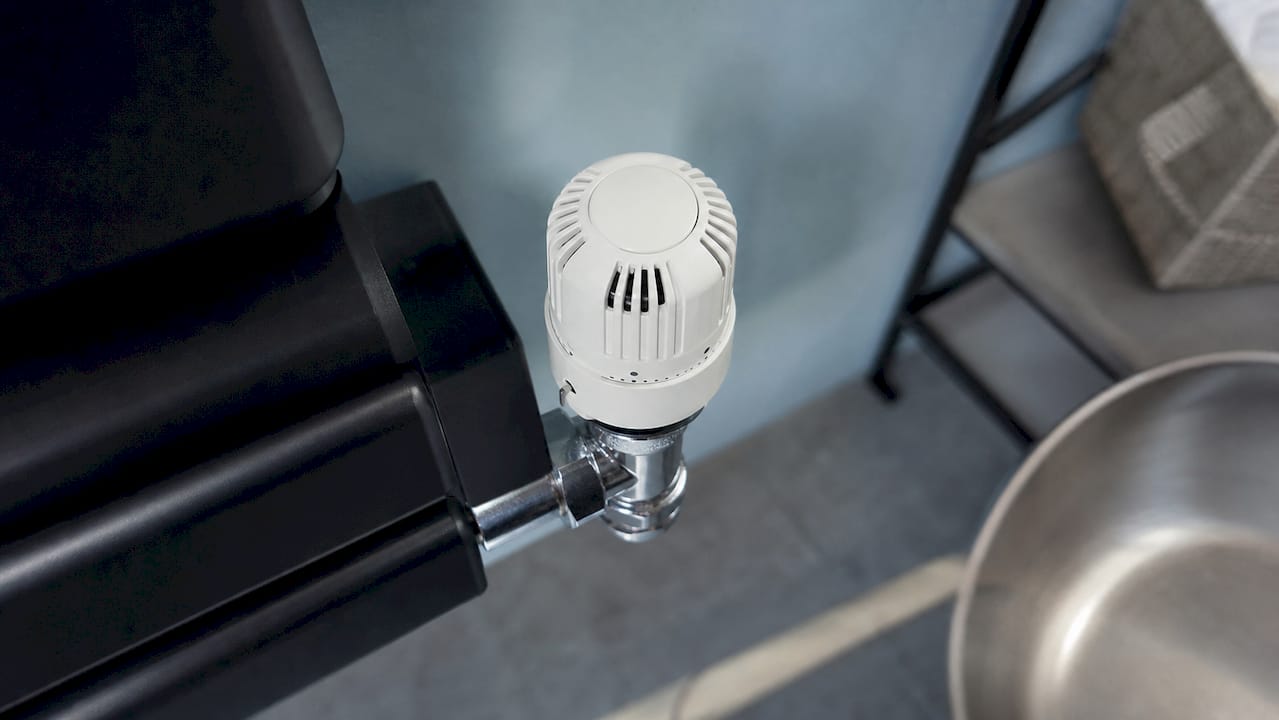
The thermostatic valve features that matter most are the wax or liquid-filled sensor element inside the valve head, and the numbered dial on the outside. As room temperature rises, the wax expands and pushes a pin that restricts water flow. When the room cools, the wax contracts and the valve opens again. The whole process is mechanical, requires no electricity, and works silently in the background.
A common misconception is that turning the TRV dial higher makes the room heat faster. TRV dial settings only set the target temperature, not the heating speed. Heating speed depends on your boiler's output and your radiator size. Setting the dial to maximum simply means the valve stays open longer, which wastes energy rather than speeding anything up.
Pro Tip: Never place furniture, curtains, or shelving directly in front of a TRV head. The sensor reads the air immediately around it. Block that airflow and the valve will misread the room temperature and stay open far longer than needed.
What are the key benefits of thermostatic valves?
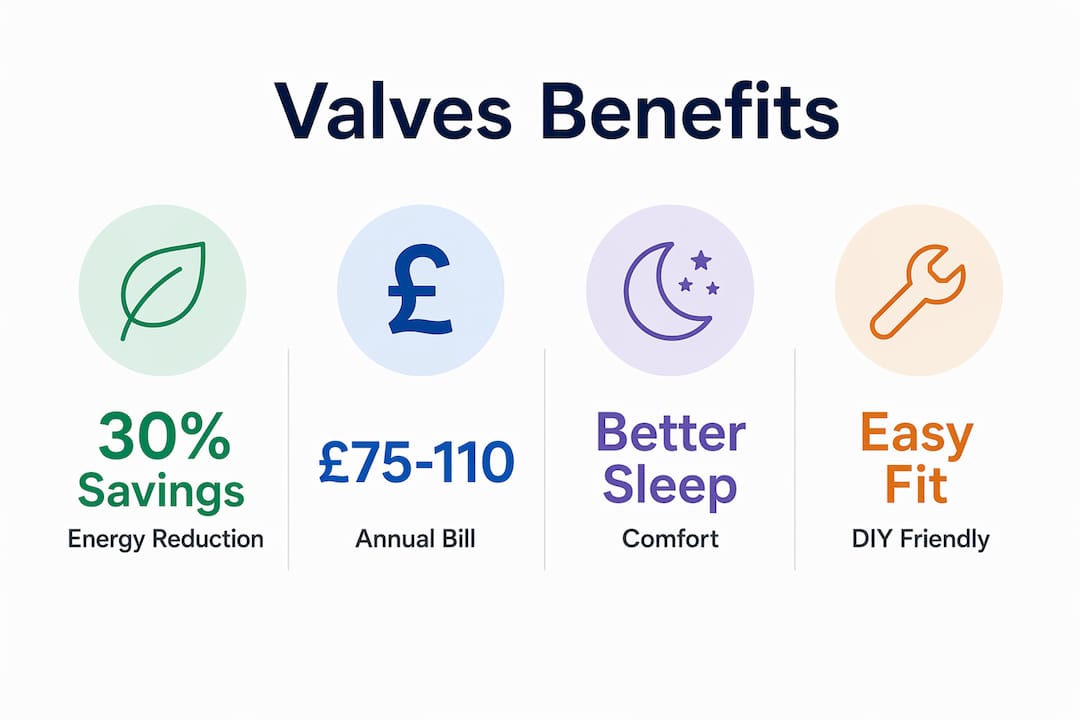
The financial case for TRVs is well documented. Installing thermostatic radiator valves can save the average UK household £75 to £110 annually on gas heating bills. That figure is based on a typical three-bedroom home, and the payback period sits at roughly 2.5 years for a DIY fit or around 4.7 years when professionally installed.
The environmental case is equally strong. Upgrading to TRVs carries a negative marginal abatement cost, meaning they save more money than they cost to install while simultaneously cutting carbon emissions. TRVs outperform many insulation projects when measured by cost per tonne of CO2 reduced.
"The most comfortable homes do not have uniform temperatures. Individual room temperature control with TRVs allows cost savings and improved comfort simultaneously."
That insight reflects what heating engineers see every day. A bedroom kept at 16°C sleeps better and costs less to heat than one held at 21°C. A spare room set to frost protection uses almost no energy at all. The thermostatic valves advantages compound across every room in the house.
TRVs also work well with modern heating technology. Research published in 2026 found that TRVs reduce heat pump energy consumption by 6–8% in air-source heat pump systems. That is a meaningful gain for homeowners who have already invested in a heat pump or are planning to do so.
For a deeper look at the energy savings and comfort improvements TRVs deliver, Your-local-plumber has a dedicated guide covering the full picture.
What UK regulations and installation factors should you know?
UK Part L Building Regulations require individual room temperature controls on every radiator in a new or replacement heating system, with one exception: the radiator in the room where the main thermostat is located. That room is already controlled by the thermostat, so a TRV there would create a conflict. Fitting TRVs to comply with Part L is not optional for new installations. It is a legal requirement.
Valve types and compatibility
TRV bodies come in three configurations: straight, angled, and corner. The right choice depends on how your pipework enters the radiator. Most UK radiators use standard 15mm compression fittings, but measuring your valve tail size before purchasing is critical. Smart TRV heads typically use universal M30 x 1.5mm threads and often include adapters, but an improper fit can cause leaks at the valve body.
| Valve type | Best use case | Key consideration |
|---|---|---|
| Straight body | Pipes entering horizontally from the wall | Most common in UK homes |
| Angled body | Pipes entering from the floor | Suits older radiator installations |
| Corner body | Pipes entering from both floor and wall | Less common, specific pipework layouts |
| Smart TRV head | Any compatible valve body | Requires M30 x 1.5mm thread or adapter |
DIY versus professional installation
Replacing just the TRV head on an existing valve body is a straightforward DIY task that takes around ten minutes per radiator and requires no drain-down of the system. Replacing the full valve body requires isolating and draining that section of pipework, which is where a professional engineer adds real value. Incorrect valve body replacement is one of the most common causes of radiator leaks. For guidance on staying compliant with UK plumbing regulations, Your-local-plumber's regulatory guide covers what homeowners need to know.
Pro Tip: After fitting new TRVs, balance your heating system by adjusting the lockshield valves. Radiators furthest from the boiler need their lockshield valves opened further than those closest to it. Skipping this step leads to uneven heat distribution and boiler short-cycling.
Smart TRVs add scheduling and remote control via a smartphone app. They suit homeowners with irregular routines who want to avoid heating empty rooms. The upfront cost is higher, but the additional control can push annual savings beyond the standard TRV range.
How to set thermostatic valves for every room
Getting the settings right is where most homeowners leave money on the table. The numbered dial on a TRV does not display degrees directly, but each number corresponds to a rough temperature target:
- Setting 1 corresponds to approximately 10°C. Use this for rooms that are rarely occupied but need some background warmth.
- Setting 2 corresponds to approximately 16°C. This is the recommended setting for bedrooms. Bedrooms at 16°C support better sleep and save around £65 per year compared to keeping them at living room temperature.
- Setting 3 corresponds to approximately 20°C. This suits living rooms and kitchens where you spend most of your active time.
- Setting 4 corresponds to approximately 24°C. Reserve this for bathrooms or rooms used by elderly residents or young children.
- Frost protection (snowflake symbol) holds the room at approximately 7°C. Use this in unoccupied rooms during winter. Frost protection settings prevent pipe freezing, which can cost £500 to £1,500 in repair bills if a pipe bursts.
Avoid setting every room to the same level. Uniform settings waste energy in rooms you barely use and undermine the entire point of individual control. Tailor each room to how you actually live in it.
A few rules to follow when adjusting your system:
- Set your boiler thermostat to the lowest temperature that keeps your main living area comfortable. TRVs in other rooms will close before reaching that temperature, reducing heat waste.
- Never turn a TRV fully off in winter unless the room is completely sealed. The frost protection setting is always safer than zero.
- If a TRV feels stuck or fails to close, the pin beneath the sensor element may be seized. Removing the head and working the pin manually often frees it without needing a replacement.
Smart TRVs remove the guesswork entirely. You set schedules per room via an app, and the valve adjusts automatically. For homeowners who want to understand the full scope of smart heating controls, Your-local-plumber's guide to smart heating covers the options available in the UK market.
Key takeaways
Thermostatic radiator valves are the most cost-effective heating control upgrade available to UK homeowners, cutting bills, reducing carbon emissions, and improving room-by-room comfort simultaneously.
| Point | Details |
|---|---|
| Immediate bill savings | TRVs save the average UK household £75 to £110 per year on gas heating bills. |
| Legal requirement | Part L Building Regulations mandate TRVs on all radiators except the main thermostat room. |
| Correct settings matter | Tailor each room's dial setting to actual use; avoid uniform settings across the house. |
| Frost protection is non-negotiable | Always use the frost setting in unoccupied rooms to prevent pipe damage costing up to £1,500. |
| Balance the system | Adjust lockshield valves after fitting TRVs to prevent uneven heat and boiler short-cycling. |
What I have learned from years of watching homeowners get this wrong
Most homeowners fit TRVs and then set every dial to the same number. They treat the valve like a simple on/off switch rather than a precision tool. That single habit wipes out most of the potential savings before they even start.
The second most common mistake is fitting a TRV in the main thermostat room. The two controls fight each other. The thermostat calls for heat because the room is cool; the TRV closes because it thinks the room is warm enough. The result is a boiler that fires and cuts out repeatedly, which is hard on the equipment and confusing for the homeowner.
My honest view on smart TRVs is that they are worth the extra cost only if your schedule genuinely varies. If you leave the house at the same time every morning and return at the same time every evening, a standard TRV set correctly will do the job just as well for a fraction of the price. Smart TRVs earn their keep in households where rooms are used unpredictably, or where you want to control heating remotely when plans change.
The one thing I would tell every homeowner is this: understand that your TRV and your boiler thermostat are two separate systems doing two separate jobs. The TRV controls the radiator. The thermostat controls the boiler. Get that relationship clear in your head and the rest follows naturally. If your central heating stops working after fitting new TRVs, nine times out of ten the cause is a conflict between those two controls.
— Michael
Thinking about fitting thermostatic valves in your home?
Fitting TRV heads yourself is genuinely straightforward on most UK radiators. Replacing full valve bodies, balancing the system, or upgrading to smart controls on a complex heating layout is a different matter entirely.

Your-local-plumber provides TRV installation and heating assessments carried out by experienced engineers who know UK Building Regulations inside out. Whether you need a single valve replaced or a full system upgrade to meet Part L compliance, the team offers transparent pricing and fast local response. Getting the installation right the first time protects your warranty, keeps your system efficient, and avoids the leaks and imbalances that come from a rushed DIY job.
FAQ
What does a thermostatic radiator valve actually do?
A TRV senses the air temperature in a room and automatically adjusts the flow of hot water into that radiator to maintain your chosen target temperature. It does not control the boiler; it only regulates that individual radiator.
Are thermostatic valves worth fitting in every room?
Yes, with one exception. Fit TRVs on every radiator except the one in the room where your main thermostat is located. Fitting both controls in the same room causes them to conflict and disrupts boiler operation.
How much can thermostatic valves save on heating bills?
The average UK household saves £75 to £110 per year on gas heating bills after fitting TRVs, with a DIY payback period of approximately 2.5 years.
Can I fit a thermostatic valve myself?
Replacing just the TRV head on an existing valve body is a straightforward DIY task requiring no drain-down. Replacing the full valve body involves isolating the pipework and is best handled by a qualified plumber to avoid leaks.
What is the frost protection setting on a TRV?
The frost protection setting, shown as a snowflake symbol, holds the room at approximately 7°C. It prevents pipes from freezing in unoccupied rooms during winter and avoids repair bills that can reach £1,500 for a burst pipe.