TL;DR:
- DIY plumbing mistakes can lead to costly repairs averaging over £1,500.
- Only certain tasks like fixing leaks or replacing taps are legally safe for UK homeowners.
- Knowing when to call a professional helps prevent serious damage and insurance issues.
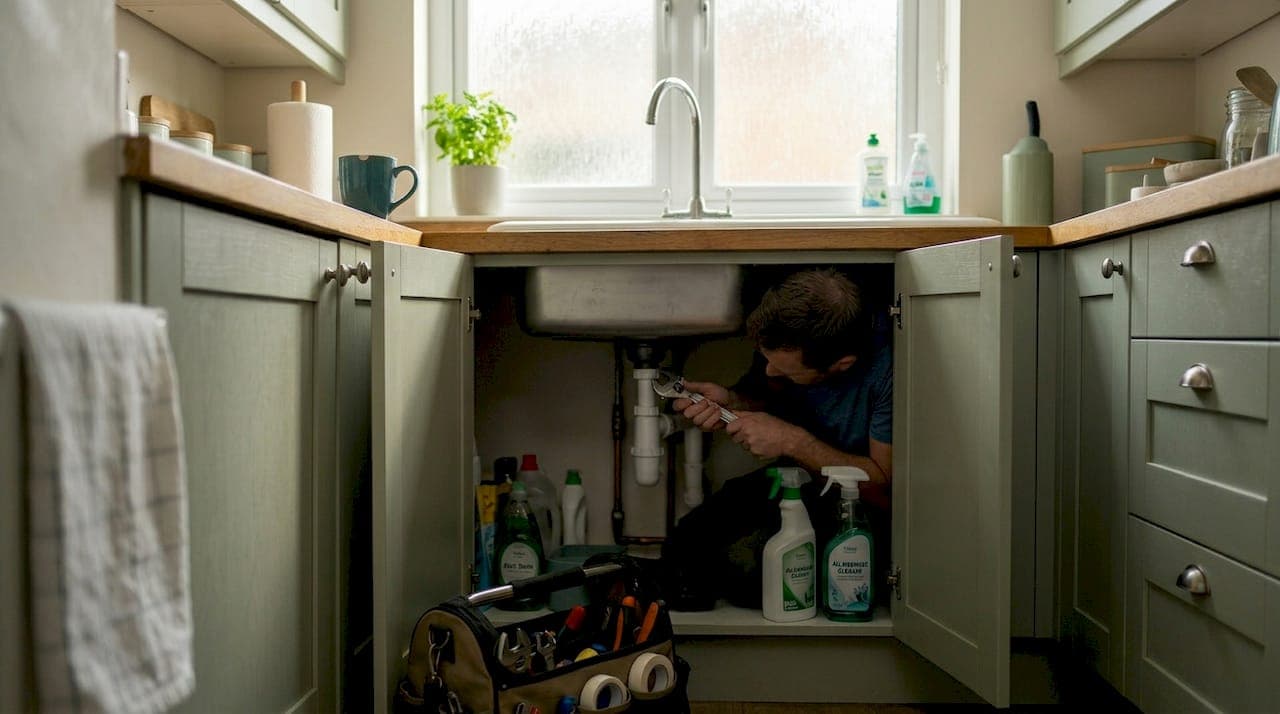
Rolling up your sleeves to fix a leaky tap or sort a blocked drain feels satisfying, and it can save money too. But when things go wrong, the bill can be eye-watering. DIY plumbing disasters cost UK homeowners an average of £1,555 per incident to fix professionally, with severe cases spiralling to £25,000 or more and a national total topping £5 billion. This guide walks you through the most frequent mistakes, what drives homeowners to make them, and exactly how to avoid turning a simple job into a very expensive lesson.
Table of Contents
- What you should (and shouldn't) do: UK DIY plumbing rules
- The top 7 DIY plumbing mistakes (and why they happen)
- Side-by-side: Cost and consequence comparison of mistakes
- How to decide: When to DIY and when to call a pro
- Why the real cost of DIY plumbing is riskier than you think
- Trusted help for emergencies and big repairs
- Frequently asked questions
Key Takeaways
| Point | Details |
|---|---|
| Regulations limit DIY | UK law only allows certain plumbing tasks for DIY; know what’s legal before you start. |
| Costly mistakes common | Even common plumbing errors can result in average repair bills over £1,500. |
| Know when to call | Learn to spot warning signs and consult a professional before mistakes become disasters. |
| Prevention saves money | By understanding risks and limits, you can prevent costly future repairs and insurance issues. |
What you should (and shouldn't) do: UK DIY plumbing rules
Before you reach for the wrench, it is worth knowing where the legal line sits. UK regulations around DIY plumbing are more specific than many people realise, and crossing that line can leave you without insurance cover, facing repair costs, or even in breach of building regulations. Knowing your limits is not about doubting your ability. It is about protecting your home and your wallet.
Tasks generally considered acceptable for UK homeowners to tackle themselves:
- Replacing tap washers and O-rings
- Fixing a running toilet by replacing the internal cistern components
- Unblocking sinks and toilets using a plunger or drain rod
- Replacing a showerhead or a flexible hose
- Fitting a new tap to an existing supply (when water is properly isolated first)
- Insulating exposed pipes to prevent freezing
Tasks that typically require a licensed professional in the UK:
- Any work on gas pipework or gas appliances (legally restricted to Gas Safe registered engineers)
- Altering or extending mains water supply pipework
- Installing or moving drainage that connects to the public sewer
- Installing a new boiler or central heating system
- Any work covered by UK plumbing regulations under Building Regulations Part G and Part L
"Even tasks commonly listed as safe DIY, such as replacing tap washers, can escalate quickly if an underlying issue is missed. Regulations exist for good reason, and what looks simple on the surface often hides a more complex problem beneath." This warning from industry professionals reflects the reality that safe plumbing jobs for homeowners carry their own risks when the full picture is not understood. The legal scope of DIY plumbing in the UK is narrower than most people assume, and even permitted tasks come with responsibilities.
Pro Tip: Before starting any plumbing job at home, check with your local authority or water supplier whether the work requires notification or approval under Building Regulations. Five minutes of checking can save months of headaches.
The top 7 DIY plumbing mistakes (and why they happen)
Understanding the mistakes is half the battle. Most homeowners who cause accidental damage were not being reckless. They were working with confidence they genuinely felt, using advice they believed was reliable. Here are the seven most common errors and the reasons each one keeps happening.
-
Over-tightening fittings and joints. More tightening feels like more security, but it is not. Over-tightening cracks plastic fittings and damages the threads on metal ones, causing leaks that were not there before. This is one of the most common beginner errors.
-
Using the wrong tape or sealant. PTFE tape is useful, but it is not a cure-all. Applying it incorrectly, using the wrong number of wraps, or reaching for silicone sealant where plumber's putty is needed leads to joints that fail under pressure.
-
Ignoring the water main shut-off before starting work. It sounds obvious, yet a surprising number of homeowners begin work without fully isolating the water supply. Even a trickle under pressure can cause significant water damage and a very stressful few hours. Understanding why pipes burst often starts with this basic oversight.
-
Misdiagnosing the root cause. A blocked drain looks simple. But persistent blockages can signal a deeper problem like a collapsed pipe, root intrusion, or a build-up much further down the system. Clearing the surface symptom without addressing the cause means the problem returns, often worse.
-
Using incompatible materials. Mixing copper and galvanised steel pipework without a proper dielectric union causes a chemical reaction that corrodes the pipes from the inside out. This mistake can take months to show visible damage, by which time significant harm is done.
-
Attempting boiler or heating repairs without qualifications. This is not just expensive when it goes wrong. It is illegal. Any work on a gas boiler must be carried out by a Gas Safe registered engineer. The risks include carbon monoxide poisoning, fire, and explosion. If you ever need emergency plumbing explained in this context, the answer is always: call a professional immediately.
-
Skipping routine maintenance checks. Many serious plumbing problems start small. A slow drip, a slight discolouration in the water, a gurgling sound from a drain. These are early warnings, and ignoring them because they seem minor is a common and costly mistake. A solid plumbing maintenance checklist can help you catch issues before they escalate.
Why do these mistakes keep happening? The rise of video tutorials makes complex jobs look deceptively simple. A ten-minute video compresses a skilled professional's knowledge, editing out the judgment calls, the experience-based decisions, and the moments where things nearly went wrong. Homeowners also tend to underestimate the variation between older UK housing stock and newer builds. A Victorian terraced house has completely different pipework, fittings, and quirks to a 1990s new build.
The average repair cost following a DIY plumbing incident sits at £1,555, and that figure rises sharply when structural damage, flooring replacement, or damp treatment is factored in.
Pro Tip: If you have spent 30 minutes on a job and it is not going to plan, stop. Call a professional before the situation worsens. The call-out fee is almost always far less than the cost of fixing what a frustrated DIY attempt can cause.
Side-by-side: Cost and consequence comparison of mistakes
Knowing which mistakes carry the highest financial and practical risk helps you prioritise. The table below compares the most common errors so you can make an informed decision before picking up a tool.
| Mistake | Average repair cost | Risk level | Early warning signs | DIY difficulty |
|---|---|---|---|---|
| Over-tightening fittings | £150 to £400 | Medium | Leaking joint, cracked fitting | Low |
| Wrong tape or sealant | £100 to £350 | Low to medium | Dripping connection, damp patch | Low |
| Not isolating water supply | £500 to £2,000+ | High | Flooding, water damage | Low task, high risk |
| Misdiagnosing a blockage | £300 to £1,500 | Medium to high | Recurring blockage, slow drain | Medium |
| Incompatible materials | £400 to £2,500 | High | Discoloured water, pipe corrosion | Medium to high |
| Boiler or gas repairs (DIY) | £1,000 to £10,000+ | Very high | No hot water, gas smell | Do not attempt |
| Skipping routine maintenance | £500 to £5,000+ | Medium to high | Slow drips, minor leaks, damp | Low task, ongoing |
"DIY plumbing disasters cost UK homeowners an average of £1,555 per incident to fix professionally, with severe cases reaching £25,000 and a national total exceeding £5 billion annually."
The table makes one thing very clear: the mistakes that feel easiest in the moment often carry the highest risk. Not isolating the water supply takes seconds to do correctly, yet skipping it is among the most expensive errors on the list. Similarly, boiler repairs are an absolute no-go for unqualified homeowners regardless of how confident you feel or what a video tutorial suggests.
For those who want plumbing pricing transparency before committing to professional help, understanding the typical cost range for these repairs puts the value of a professional call-out in proper perspective.
How to decide: When to DIY and when to call a pro
The DIY versus professional debate does not have a single answer. It depends on the job, your experience, the age of your home, and what is actually at stake. Here is a practical framework to help you decide.
Signs it is probably safe to tackle yourself:
- The job is clearly cosmetic or involves simple component replacement (a tap washer, a showerhead)
- You can fully isolate the water supply before starting
- The task does not involve gas, electrical connections, or drainage that connects to the public sewer
- You have done this specific job before with a successful result
- The consequences of getting it wrong are minor and easily contained
Red flags that mean you should call a professional immediately:
- You can smell gas anywhere in your home. Leave and call the Gas Emergency line on 0800 111 999
- There is visible mould, persistent damp, or staining on walls or ceilings without an obvious source
- Water pressure has dropped suddenly across your whole home, not just one tap
- A drain is backing up in multiple places simultaneously, which often signals a main sewer issue
- You have attempted a fix and the problem has returned, changed, or worsened
- Any job involves altering mains pipework, moving soil stacks, or modifying heating circuits
Knowing when to call a plumber is a skill in itself, and it is one that genuinely experienced homeowners develop over time. A plumbing inspection from a qualified engineer can also give you a clear picture of what your system looks like before you start any work, removing the guesswork entirely.
The financial logic is straightforward. The average professional repair after a DIY mistake costs £1,555. A standard plumber call-out rarely approaches that figure. Spending £80 to £150 on a professional to do the job right first time is not a concession. It is the smarter financial decision.
Why the real cost of DIY plumbing is riskier than you think
Here is the uncomfortable truth most DIY content sidesteps: the risk of a plumbing job is not just about your ability to follow instructions. It is about what you cannot see, what you do not know to check, and what the regulations require of you whether you read them or not.
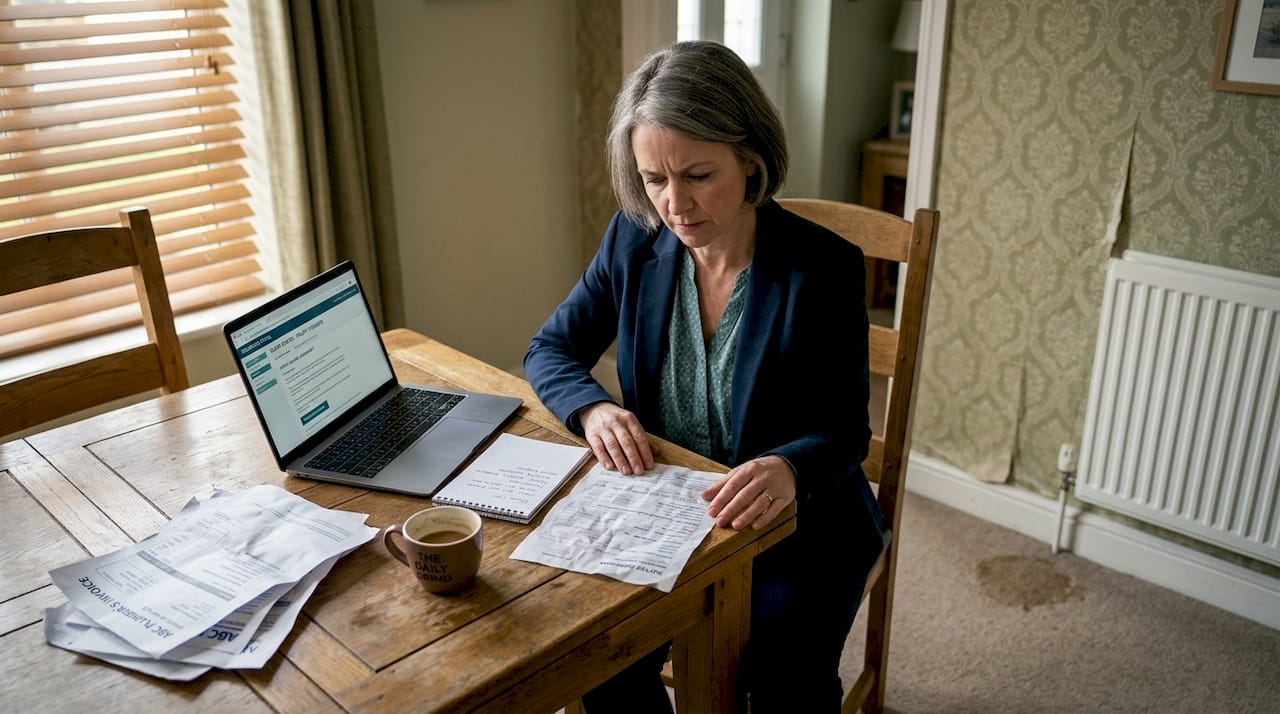
In our experience working across UK homes of all ages and conditions, the most expensive call-outs follow a predictable pattern. A homeowner tackled what looked like a simple job. It went well enough, or seemed to. Then, weeks or months later, a slow leak behind a wall caused structural damage, or a poorly sealed joint allowed damp to penetrate insulation and joists. By the time it was visible, the repair bill had multiplied several times over.
Internet tutorials are brilliant for learning concepts, but they cannot account for your specific pipes, your water pressure, the age of your fittings, or the quirks of your home's layout. Even professionals with years of experience know that legal DIY scope exists partly because the consequences of getting it wrong are genuinely serious, not because the trade wants to protect its income.
There is also the insurance question. Unapproved DIY work that leads to damage can void your home insurance policy. That is not a hypothetical risk. It is a clause that insurers cite regularly when assessing claims. If your DIY plumbing regulations compliance is in doubt, your insurer may refuse to pay out, leaving you facing the full cost alone.
The smartest homeowners we work with are not the ones who never attempt any DIY. They are the ones who know exactly where their competence ends and act on that knowledge without hesitation.
Trusted help for emergencies and big repairs
When a job tips from manageable to urgent, you need help you can count on.

At Your Local Plumber, we provide fast, reliable support for exactly these moments. Whether a DIY attempt has uncovered something more serious, or you are facing a genuine emergency at 10pm on a Sunday, our experienced engineers are ready to respond. We cover a wide range of plumbing needs, from leak detection and burst pipe repair to full installations, all with clear pricing so you know what to expect before work begins. Do not let a small problem become an expensive one. Book directly through our emergency plumber booking page and get the right help without delay. Local, responsive, and straightforward.
Frequently asked questions
What plumbing tasks am I allowed to do myself in the UK?
UK homeowners may replace tap washers and repair simple leaks, but many tasks require a licensed professional for legal and safety reasons, including any work involving gas or mains drainage.
How much can a DIY plumbing mistake really cost?
The average repair bill sits at £1,555, but severe mistakes involving structural damage or flooding can reach £25,000 or more, with the national total exceeding £5 billion.
What should I do if I cause a plumbing emergency?
Turn off your water main immediately to limit damage, then call a professional emergency plumber without delay. Do not attempt further fixes while water is still active.
Can DIY plumbing affect my home insurance?
Yes. Unapproved DIY work that causes damage or falls outside Building Regulations compliance can give your insurer grounds to refuse a claim, leaving you liable for the full repair cost.
How can I reduce the risk of plumbing problems as a homeowner?
Follow a routine maintenance schedule to catch small issues early, and always consult a qualified plumber before attempting repairs that involve anything beyond straightforward component replacement.
Recommended
- Essential plumbing maintenance checklist for UK homeowners
- Understanding the role of a plumber: reliable UK service
- Emergency plumbing explained: fast relief for UK homeowners
- Transparent plumbing pricing: peace of mind for UK homeowners
- Cost-saving plumbing tips for Pittsburgh homeowners - AG-Plumbing