TL;DR:
- Most leaks in High Wycombe are invisible and can cause significant damage before detection.
- Regular inspection and maintenance help prevent costly emergencies and comply with 2026 regulations.
- Proper plumbing habits and professional help ensure safety and efficiency in aging home pipe systems.
Thames Water forecasts leakage rates of 560 Ml/d by 2025, much of it from ageing underground pipes that homeowners never see. For residents in High Wycombe, that invisible threat is very real. A damp patch on the ceiling, a water bill that creeps upward, or a drop in shower pressure can all signal something serious brewing beneath your floorboards or behind your walls. This guide covers the most common plumbing problems local homeowners face, how to catch them early, what the 2026 regulations mean for you, and where to find fast, expert help when you need it.
Table of Contents
- Common plumbing problems faced by High Wycombe homeowners
- How to detect plumbing issues before they escalate
- Why prevention is key: maintaining a healthy plumbing system
- Understanding 2026 plumbing regulations and their impact
- What most homeowners miss about plumbing in High Wycombe
- Get fast, local help for any plumbing issue
- Frequently asked questions
Key Takeaways
| Point | Details |
|---|---|
| Hidden leaks are common | Ninety-five percent of home plumbing leaks are not immediately visible, increasing the risk of damage. |
| Prevention is essential | Regular inspections and maintenance can prevent 80% of costly plumbing emergencies. |
| New regulations matter | 2026 plumbing regulations focus on water efficiency and require specific safety upgrades for all homeowners. |
| Act on early signs | Noticing subtle changes like water pressure drops or higher bills can help spot leaks before they escalate. |
| Local expertise helps | High Wycombe plumbers understand area-specific issues and offer tailored solutions for local homes. |
Common plumbing problems faced by High Wycombe homeowners
High Wycombe has a mix of Victorian terraces, post-war semis, and newer builds, and that variety brings a wide range of pipe ages and materials. Older properties often have lead or iron pipework that corrodes over time, and this is where problems begin. Burst pipes, hidden leaks, blocked drains, and low water pressure are the four issues we hear about most, and each one tends to get worse the longer it goes unaddressed.
The distinction between visible and invisible problems is important because they require completely different responses.
| Issue type | Visible signs | Invisible signs |
|---|---|---|
| Burst pipe | Water gushing, ceiling stains | Gradual damp, wall discolouration |
| Hidden leak | Mould, peeling paint | Rising bills, low pressure |
| Blocked drain | Slow drainage, gurgling | Foul smell, subsidence risk |
| Low water pressure | Weak shower, slow taps | Partial blockage in supply lines |
Blockages are often caused by fat build-up, wet wipes, or tree root intrusion into older clay drainage systems, both common in established High Wycombe streets. Burst pipes in winter are another local concern, especially in poorly insulated properties where temperatures drop sharply overnight.
Here are the tell-tale signs every homeowner should keep an eye on:
- Sudden drop in water pressure from one day to the next
- Unexplained increase in your water bill
- Damp patches on walls, ceilings, or floors without an obvious cause
- Discoloured or rusty water from taps
- Gurgling sounds from drains or toilets
- Mould appearing in areas that were previously dry
According to Thames Water's own data, 95% of leaks are completely invisible to the naked eye. That statistic alone should change how you think about your home's plumbing. You won't always see the damage forming. Before calling anyone out, it helps to know the questions to ask your plumber so you can assess the problem properly.
How to detect plumbing issues before they escalate
Early detection is genuinely worth more than any emergency repair. A small leak left for six months can cause thousands of pounds of damage to timber, plaster, and insulation. The good news is that catching problems early doesn't require specialist tools. It requires habit.
Here's a simple monthly routine you can follow:
- Check your water meter when no water is in use. If the dial moves, you likely have a leak somewhere in the system.
- Compare monthly water bills and flag anything more than a 10% unexplained increase.
- Feel walls and floors in bathrooms, kitchens, and utility rooms for unexpected cold spots or soft patches.
- Inspect visible pipework under sinks and behind appliances for corrosion, lime scale build-up, or signs of moisture.
- Run taps and flush toilets in rarely used rooms to keep traps full and to check for unusual sounds or smells.
- Test your water pressure using a simple gauge from any DIY store. Healthy domestic pressure typically sits between 1 and 3 bar.
Pro Tip: Keep a simple notebook or phone note with monthly meter readings and any observations. Spotting a slow trend is far easier with a record than relying on memory alone.
"The biggest mistake homeowners make is waiting for a visible problem. By the time water appears on a ceiling, the leak behind it has often been active for weeks or months, silently weakening joists and feeding mould colonies."
For a more thorough approach, leak detection basics can help you understand what professionals look for and when to call one in. Pair that with a plumbing inspection for prevention to build a complete picture of your system's health. Since 95% of leaks leave no visible trace, a professional inspection is often the only reliable way to confirm all is well.
Why prevention is key: maintaining a healthy plumbing system
Most plumbing emergencies don't appear from nowhere. They build quietly, over months or years, until pressure, corrosion, or blockage reaches a breaking point. Research supports what experienced plumbers already know: regular servicing prevents around 80% of plumbing emergencies. That figure is significant. It means most callouts are avoidable with the right habits.
Consider the cost comparison between prevention and emergency repair:
| Approach | Typical cost | Risk level | Disruption |
|---|---|---|---|
| Annual plumbing inspection | £80 to £150 | Low | Minimal |
| Fixing a small leak early | £100 to £250 | Low | Minor |
| Burst pipe emergency repair | £500 to £2,000+ | High | Significant |
| Water damage restoration | £2,000 to £10,000+ | Very high | Severe |
The numbers speak clearly. Spending a little regularly protects you from spending a lot suddenly.
Seasonal habits make a real difference too:
- Autumn: Insulate exposed pipes in loft spaces and garages before the first frost arrives
- Winter: Keep your home heated to at least 13°C even when away, and know where your stop valve is
- Spring: Check outside taps and garden hoses for frost damage after winter
- Summer: Clear gutters and drainage channels to prevent overflow affecting foundations
One area that catches many homeowners out is what goes down the drain. Flushing wet wipes, pouring cooking fat down the sink, or disposing of coffee grounds via the kitchen drain all contribute to blockages that build silently over time.
Pro Tip: Book an annual plumbing check every autumn, before the cold season hits. It costs less than a single emergency callout and gives you peace of mind heading into winter.
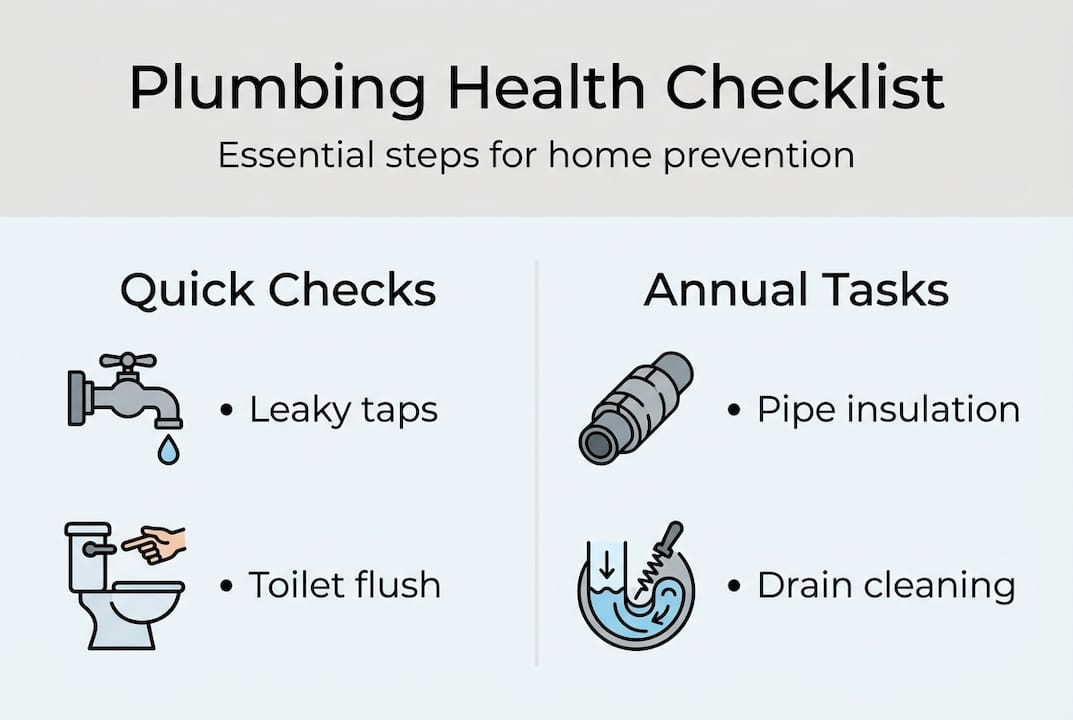
A thorough plumbing maintenance checklist makes it easy to stay on track across all seasons without missing anything critical. You can also combine this with a professional plumbing inspections guide for a more structured approach.
Understanding 2026 plumbing regulations and their impact
Plumbing rules in the UK have been updated for 2026, and High Wycombe homeowners need to understand what has changed. The focus has shifted firmly towards water efficiency and safety, with new requirements affecting both new installations and certain repairs on existing systems.
The most talked-about change involves backflow prevention. An RPZ valve, which stands for Reduced Pressure Zone valve, is a device that stops contaminated water from flowing back into the mains supply. Under the 2026 plumbing regulations, these are now required in more situations than before, particularly where garden irrigation systems, commercial appliances, or certain heating systems connect to the mains. This matters because backflow contamination, although rare, poses a serious public health risk.
Here is what homeowners are responsible for under the new rules:
- Ensuring any new or replacement pipework meets current water efficiency standards
- Having approved RPZ valves fitted where required by a qualified engineer
- Making sure all plumbing work is carried out by a competent person and recorded appropriately
- Checking that water-using appliances such as boilers, dishwashers, and washing machines are installed in compliance with manufacturer and regulatory guidance
- Reporting any suspected contamination of supply pipework to your water supplier
These updated regulations are not just about compliance. They protect your family's health and the long-term integrity of your home. A plumber who is not familiar with the 2026 changes could inadvertently leave your system non-compliant, which may affect your home insurance or create liability during a future property sale.
What most homeowners miss about plumbing in High Wycombe
Here is a perspective that often surprises people: the biggest plumbing risk for most High Wycombe homeowners is not a dramatic burst pipe. It is the slow, quiet deterioration that nobody bothers to check until something finally fails.
Most people ring a plumber when water appears somewhere it should not. By that point, the damage is already done. The homeowners who genuinely protect their properties are the ones who treat plumbing like a car service rather than a breakdown recovery. They book regular checks, they notice when something feels slightly off, and they act before the problem grows.
High Wycombe's ageing pipe infrastructure makes this discipline especially important. Older streets carry older pipes, and older pipes carry more risk. Hidden leaks and corroded joints do not announce themselves. They simply get worse. Knowing how to handle the early stages of a crisis also helps; understanding protecting your home during emergencies is something every homeowner should be familiar with before they ever need it.
The savviest homeowners in High Wycombe are not necessarily the ones with the newest boilers or the most expensive fixtures. They are the ones who pay attention, act early, and choose their plumber carefully.
Get fast, local help for any plumbing issue
Whether you are dealing with a suspected hidden leak, a blocked drain, or you simply want a professional to check your system ahead of winter, acting sooner always costs less than waiting. High Wycombe's older housing stock means local expertise genuinely matters here. You need someone who understands the area's pipe infrastructure and can respond quickly when things go wrong.

Our team at Your Local Plumber covers emergency callouts and routine maintenance across High Wycombe and the surrounding area. From leak detection and drain clearing to full compliance checks under the 2026 regulations, we offer transparent pricing and fast response times so you are never left waiting. Get in touch today and let us take the worry out of your plumbing.
Frequently asked questions
What are the earliest signs of a hidden water leak?
The first signs include sudden drops in water pressure, increased water bills, or unexplained dampness around your home. Because 95% of leaks are invisible, these indirect clues are often the only warning you will get.
How often should plumbing systems be inspected in High Wycombe homes?
Annual inspections are recommended to catch problems early and stay compliant with current regulations. Regular servicing prevents around 80% of costly plumbing emergencies before they escalate.
What makes High Wycombe homes more likely to suffer plumbing issues?
Older pipe infrastructure and high underground leakage rates from ageing pipes mean hidden problems are more common in established local streets than in newer developments.
Are new 2026 plumbing regulations important for homeowners?
Yes. They require safety features such as backflow prevention valves and updated water efficiency standards that affect repairs and new installations alike.
How do I choose a reliable local plumber quickly?
Look for a locally based plumber with fast response times, transparent pricing, and strong reviews from homeowners in your area to ensure trustworthy, qualified service.