TL;DR:
- Replacing old taps prevents leaks, saves water, and lowers household bills by avoiding costly repairs. Regular maintenance like cleaning aerators and promptly replacing worn components extend tap life and help detect issues early. Upgrading to water-efficient aerated taps offers long-term savings and reduces environmental impact.
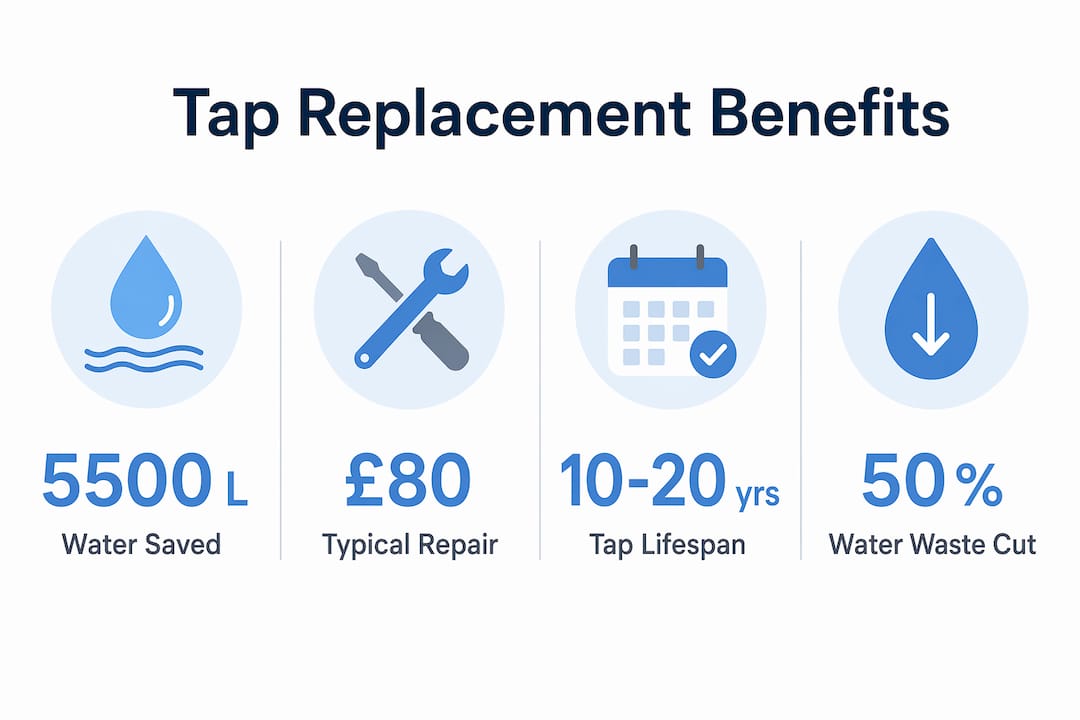
Regular tap replacement is the most effective way to prevent leaks, reduce water waste, and lower household bills in UK homes. A dripping tap is not a minor inconvenience. Left unaddressed, it can waste up to 5,500 litres of water every year. The Energy Saving Trust confirms that upgrading to a modern aerated tap can save a typical household £25–£35 annually on combined water and energy costs. Understanding why regular tap replacement belongs on your maintenance list is the first step to protecting your home and your wallet.
Why regular tap replacement prevents leaks and water waste
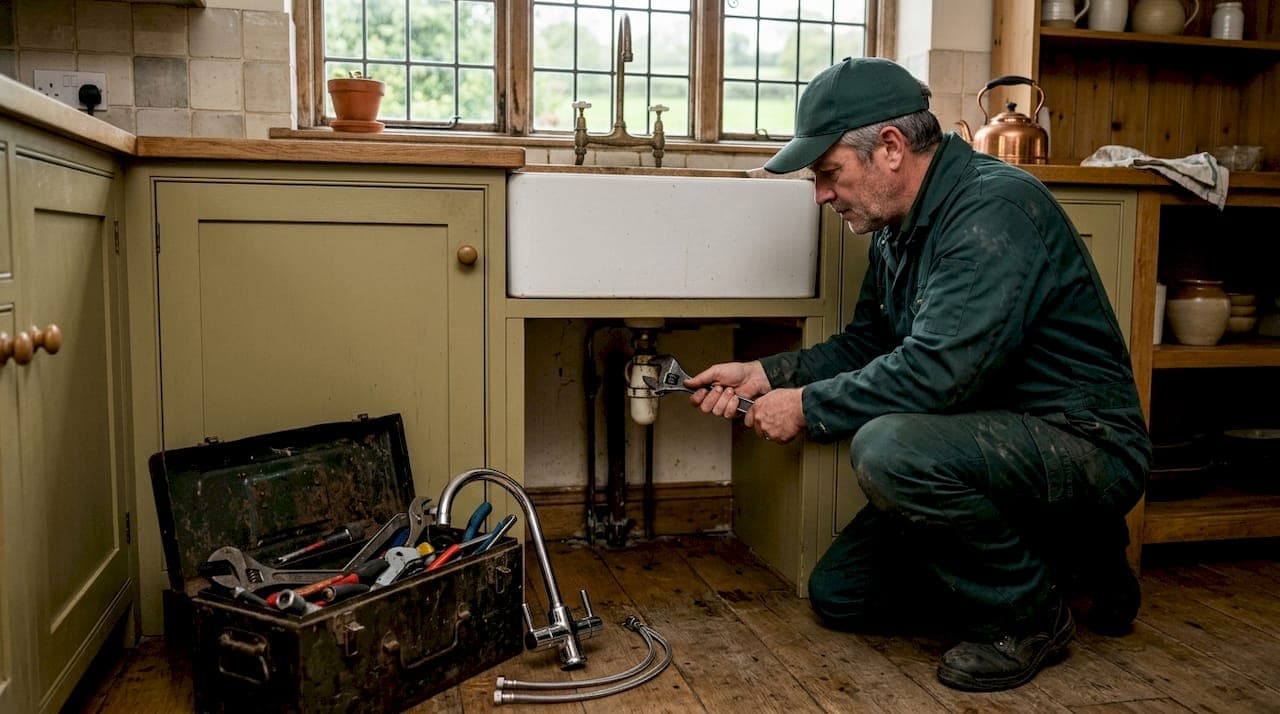
Tap leaks are almost always caused by wear, not bad luck. The internal components of a tap, including rubber washers, ceramic cartridges, and O-rings, degrade with every use. Over years of daily operation, these parts lose their ability to form a watertight seal, and dripping begins.
The water loss from a single dripping tap is significant. A dripping tap wastes up to 5,500 litres annually. That is roughly the equivalent of 37 full baths. Beyond the environmental cost, wasted water adds approximately £14–£17 per year to your bills from water charges alone, before accounting for the energy cost of heating that water.
Corrosion compounds the problem. Hard water areas across much of England deposit limescale inside tap bodies and on valve seats. This pitting and scaling prevents washers from seating cleanly, accelerating drip rates over time. Taps in hard water regions typically show wear faster than those in soft water areas.
The most common early signs of tap wear and tear include:
- A persistent drip even after the tap is fully closed
- Stiff or difficult-to-turn handles
- Visible rust, discolouration, or limescale build-up around the spout
- Reduced water pressure or an uneven flow pattern
- Squeaking or grinding when the tap is operated
Pro Tip: Check under your sink for damp patches or mineral staining on the pipework. These are often the first visible signs of a slow leak that has not yet reached the spout.
Catching these signs early and replacing the tap promptly stops water loss before it escalates into costly water damage to cabinetry, flooring, or structural timbers.
Are the financial benefits of replacement better than repair?
Replacement consistently outperforms repair as a long-term financial strategy for older taps. Professional tap replacement in the UK typically costs £90–£180 for labour, plus £30–£150 for the tap itself. A repair for a leak or cartridge failure costs £80–£250 or more, and that figure can recur every few years as the tap continues to age.
The maths favours replacement when a tap is more than ten years old. Paying £80 for a repair today, then another £80 two years later, then facing a full replacement anyway, costs more than a single planned replacement at the outset. Proactive replacement also gives you the opportunity to choose a water-efficient model.
| Scenario | Typical cost | Long-term outcome |
|---|---|---|
| Single repair (washer or cartridge) | £80–£250 | Short-term fix; wear continues |
| Repeated repairs over 5 years | £200–£500+ | Escalating spend; no efficiency gain |
| Full tap replacement (labour + tap) | £120–£330 | Resolved issue; efficiency improvement |
| Annual saving from aerated tap | £25–£35 | Payback within 4–10 years |
Upgrading to an aerated tap reduces flow from the 12–15 litres per minute typical of older models to 6–8 litres per minute. That halved flow rate delivers the same perceived pressure through a mix of air and water, while cutting consumption measurably. The Energy Saving Trust puts the annual household saving at £25–£35 on combined water and energy bills.
Pro Tip: When budgeting for replacement, factor in the tap price and labour together. A mid-range aerated tap at £60–£80 fitted by a qualified plumber often costs less overall than two rounds of repair on an ageing fixture.
Replacing washers or cartridges costs under £25 for parts and makes sense for a tap that is otherwise in good condition. The calculation changes when spare parts become difficult to source, which is common for taps manufactured more than fifteen years ago.
What signs indicate it is time to replace a tap?
Several clear indicators signal that replacement is the right call rather than another repair. Age is the most reliable guide. A tap that has been in service for more than ten to fifteen years is likely approaching the end of its useful life, regardless of whether it is currently leaking.
Beyond age, watch for these replacement indicators:
- Persistent leaking despite washer or cartridge replacement
- Visible corrosion on the body, spout, or fittings that cannot be cleaned away
- Unavailable spare parts for the specific model or manufacturer
- Cracked or pitted valve seats that prevent a washer from sealing correctly
- Stiff or seized handles that no longer operate smoothly
One common source of confusion is the aerator. Aerator screens clog with limescale, causing spluttering, reduced flow, and uneven spray. These symptoms can look like tap failure but are often resolved by unscrewing the aerator, soaking it in white vinegar for thirty minutes, and refitting it. If performance improves after cleaning, the tap body itself may be fine.
The distinction matters because aerator replacement costs under £5 and takes ten minutes. Full tap replacement is the right answer when the problem persists after aerator maintenance, or when the signs above point to structural wear in the tap body itself. Understanding common causes of water leaks helps you make that call with confidence.
How often should taps be replaced, and what maintenance helps?
Most quality taps last 10–20 years with proper care. The actual lifespan depends on water hardness, usage frequency, and the quality of the original fitting. Kitchen taps, used dozens of times daily, wear faster than a guest bathroom tap used occasionally.
A practical maintenance routine extends tap life and delays the need for replacement. Follow these steps on a regular basis:
- Clean aerators every three to six months. Unscrew the aerator from the spout tip, rinse it under running water, and soak in white vinegar if limescale is present.
- Check for drips monthly. Run your finger under the spout after closing the tap fully. Any moisture indicates a washer or cartridge issue worth addressing promptly.
- Inspect visible pipework twice a year. Look under sinks for damp, staining, or corrosion on the supply pipes and tap tails.
- Replace washers at the first sign of dripping. Small washer replacements costing under £10 often resolve leaks before they worsen.
- Book an annual plumbing check. A qualified engineer can spot early wear on cartridges, valves, and seals that you might miss. Annual plumbing checks consistently save homeowners money by catching problems before they escalate.
Water-efficient fittings such as aerated taps and flow restrictors reduce consumption to around 110 litres per person per day without any noticeable drop in comfort. Fitting these when you replace an ageing tap is the simplest way to meet modern water efficiency standards without a full bathroom or kitchen renovation.
Building these habits into your pipe maintenance routine means you are rarely caught off guard by a sudden failure. The cost of preventive care is a fraction of the cost of emergency call-outs or water damage repairs.
Key takeaways
Regular tap replacement reduces water waste, lowers bills, and prevents the structural damage that unchecked leaks cause over time.
| Point | Details |
|---|---|
| Water waste from dripping taps | A single dripping tap can waste up to 5,500 litres of water every year. |
| Financial case for replacement | Repeated repairs on older taps often cost more than a planned replacement over five years. |
| Aerated taps save money | Switching to a modern aerated model saves a typical household £25–£35 per year. |
| Know the replacement signs | Persistent leaks, corrosion, and unavailable spare parts all signal replacement over repair. |
| Maintenance extends tap life | Cleaning aerators, replacing washers promptly, and booking annual checks delay costly failures. |
Taps are worth taking seriously
Most homeowners treat a dripping tap as background noise. I have seen this pattern repeatedly, and the outcome is almost always the same: a small, fixable problem becomes an expensive one.
What surprises people is how quickly the costs accumulate. A tap that drips once per second wastes far more water than feels intuitive, and the damage it does to the cabinet beneath it often goes unnoticed for months. By the time the swollen wood or mould becomes obvious, the repair bill has grown well beyond what a timely replacement would have cost.
The other misconception I encounter is that replacement is always the expensive option. For a tap that is already ten or more years old, it rarely is. Parts become harder to source, labour costs for repeated repairs add up, and the tap continues to degrade between visits. A single planned replacement, fitted properly, resolves the issue for another decade or more.
The homeowners who manage their plumbing costs best are not the ones who react to emergencies. They are the ones who replace ageing taps on a schedule, clean their aerators twice a year, and book a plumbing check before problems become visible. That approach costs less, causes less stress, and keeps the home in better condition year after year.
— Michael
How Your-local-plumber can help with tap replacement
Tap replacement is one of the most straightforward plumbing jobs when it is handled by a qualified engineer, and one of the most disruptive when it is not. Your-local-plumber provides fast, reliable tap replacement services for homeowners across the UK, with transparent pricing and no hidden call-out fees.

Whether you have a dripping kitchen tap, a corroded bathroom mixer, or an ageing fitting that needs upgrading to a water-efficient model, Your-local-plumber's experienced engineers can assess, advise, and fit on the same visit. Clear quotes are provided before any work begins. Get in touch to book a tap replacement or plumbing check at a time that suits you.
FAQ
How much does tap replacement cost in the UK?
Professional tap replacement typically costs £90–£180 for labour plus £30–£150 for the tap. The total varies by tap type, location, and access.
How often should taps be replaced?
Most taps last 10–20 years with regular maintenance. Replace sooner if you notice persistent leaks, corrosion, or difficulty sourcing spare parts.
Can a dripping tap really waste that much water?
Yes. A dripping tap wastes up to 5,500 litres annually and adds £14–£17 per year to water bills, not counting energy costs for heated water.
Is it worth repairing a tap rather than replacing it?
Repair makes sense for taps under ten years old with a single fault. For older taps with recurring issues or unavailable parts, replacement is more cost-effective over the long term.
What is an aerator and do I need to replace it?
An aerator is a small mesh screen fitted to the tap spout that mixes air with water to reduce flow. Clogged aerators cause spluttering and low pressure. Clean or replace the aerator before assuming the tap itself needs replacing.