TL;DR:
- Annual plumbing checks help detect faults early and prevent costly repairs in UK homes. They include inspections of water heaters, pressure, pipes, fixtures, and sewer lines, often using specialized camera equipment. Regular maintenance records and homeowner monitoring can maximize system lifespan and property value.
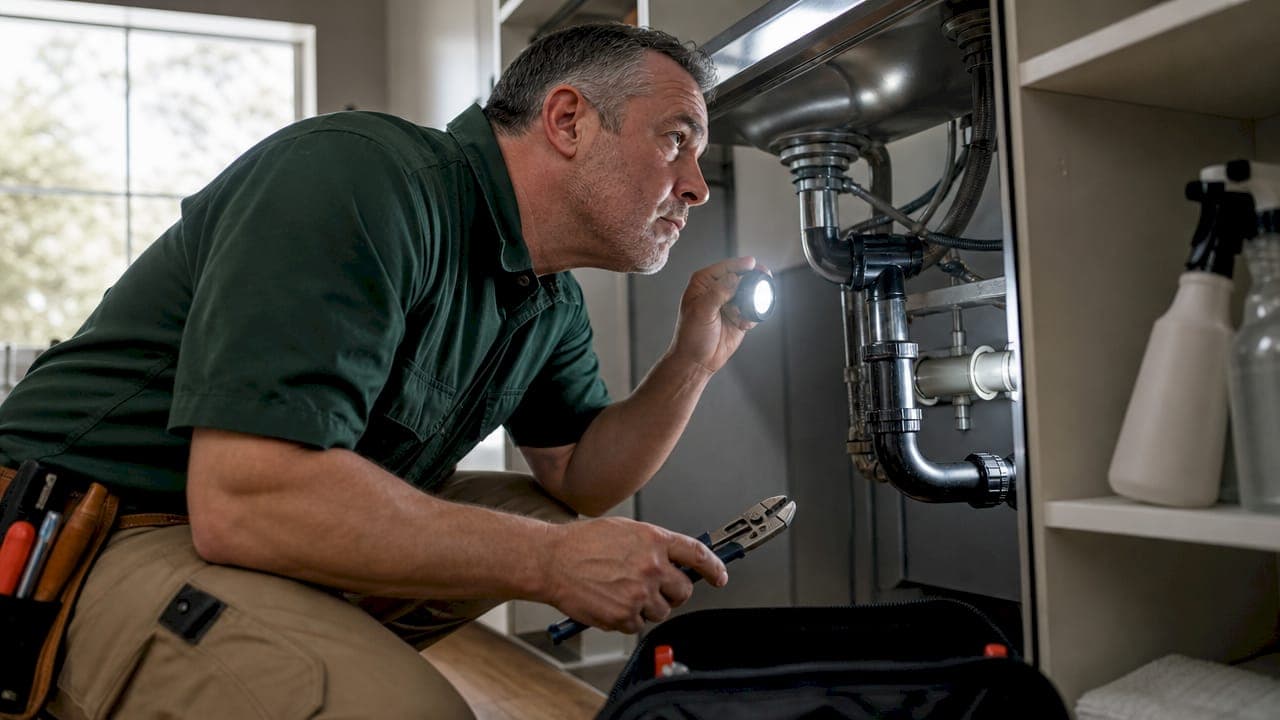
Annual plumbing checks are inspections carried out each year to detect faults before they become expensive failures. The industry term is a residential plumbing inspection, and why annual plumbing checks matter comes down to one fact: the EPA reports household leaks waste nearly 10,000 gallons of water per home each year, driving up bills silently. A yearly inspection catches corrosion, pressure faults, and worn fixtures before they cause structural damage. For UK homeowners, this is not optional maintenance. It is the most cost-effective way to protect both your property and your wallet.
What are the main benefits of scheduling annual plumbing checks?
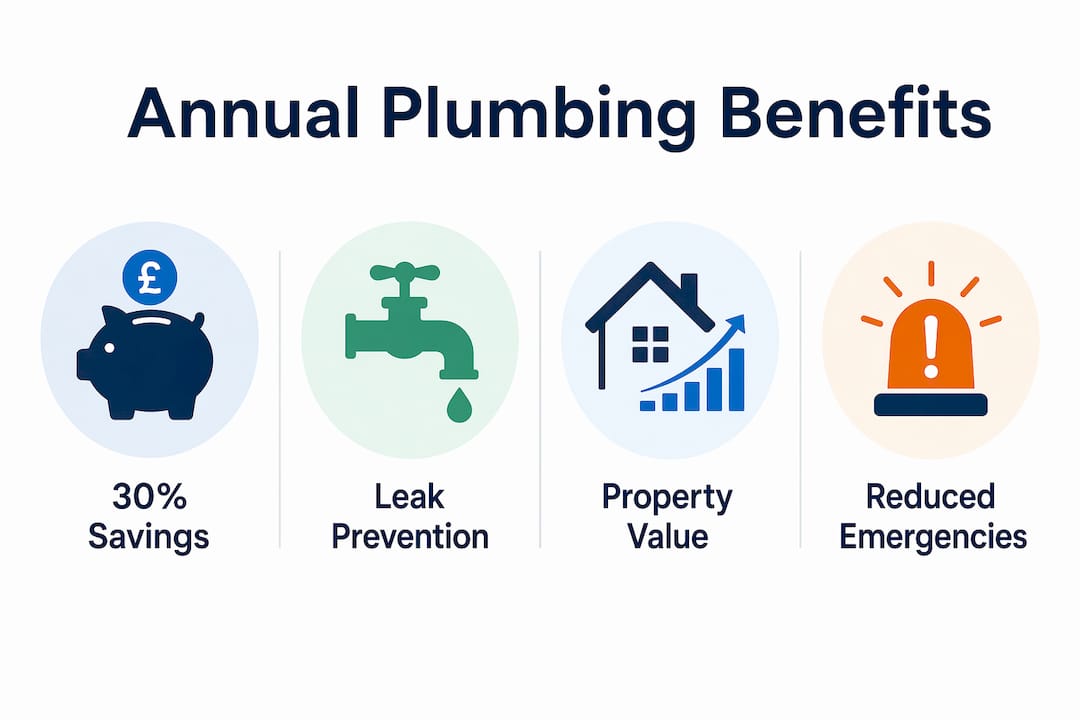
Annual plumbing checks deliver benefits that go well beyond fixing a dripping tap. They protect your home's structure, reduce your bills, and add measurable value when you come to sell.

The most immediate benefit is early fault detection. Silent leaks and worn components cause hidden damage to cabinets, flooring, and drywall long before a homeowner notices anything wrong. Catching these faults early costs a fraction of what full remediation demands.
The financial case for yearly inspections is strong:
- Reduced emergency callouts. Comprehensive checks prevent emergency repairs, which are consistently more expensive than scheduled maintenance.
- Lower water bills. Fixing leaks identified during an inspection directly reduces wasted water and the utility costs attached to it.
- Extended system lifespan. Pipes, joints, and fixtures that receive regular attention last significantly longer than neglected ones.
- Higher resale value. Accurate plumbing maintenance records reassure prospective buyers and can strengthen your asking price.
- Compliance with UK standards. Inspections confirm your system meets current regulations, reducing liability risk. Your UK plumbing compliance obligations as a homeowner are more detailed than most people realise.
Pro Tip: Keep a written log of every inspection, including the engineer's name, date, and any work carried out. This record becomes a selling point when you list your property.
Homes with attentive owners who schedule routine plumbing inspections have the lowest total plumbing costs over time, regardless of how old the property is. That pattern holds whether the home is a new build or a Victorian terrace.
What does a professional annual plumbing inspection typically include?
A professional inspection is far more thorough than a visual walkthrough. Engineers follow a structured process that covers every part of the system accessible without demolition.
A typical annual inspection covers the following areas in sequence:
- Water heater assessment. The engineer flushes sediment and inspects the anode rod. Water heaters require annual flushing to prevent early tank corrosion, and their service life of 10–15 years depends heavily on this step.
- Pressure relief valve check. The pressure relief valve on the water heater is tested to confirm it operates safely under load.
- Water pressure testing. The engineer measures incoming water pressure throughout the property. High municipal water pressure silently damages seals and joints, so a pressure-reducing valve may be recommended where readings are excessive.
- Pipe inspection. Accessible pipes are examined for corrosion, signs of leaking, and compliance with current building codes.
- Fixture examination. Toilets, taps, and drains are tested for function, leaks, and wear.
- Sewer camera survey. Where underground pipes are a concern, a specialist camera is used to check for tree root intrusion or structural damage that a visual inspection cannot detect.
The table below shows what each check targets and why it matters.
| Inspection area | What is checked | Why it matters |
|---|---|---|
| Water heater | Sediment, anode rod, pressure relief valve | Prevents premature failure and safety hazards |
| Water pressure | Incoming PSI at multiple points | High pressure damages seals and shortens pipe life |
| Pipes | Corrosion, leaks, code compliance | Catches hidden deterioration before it causes damage |
| Fixtures | Taps, toilets, drains | Identifies worn parts wasting water or at risk of failure |
| Sewer lines | Camera survey for root intrusion | Detects underground faults missed by standard checks |
General home inspections frequently miss underground sewer line damage. Only specialist camera equipment can detect tree root intrusion at an early stage, making this step particularly valuable for properties with mature trees nearby.
How do home-specific factors influence the frequency of plumbing checks?
Not every home needs the same inspection schedule. Several factors push the recommended frequency from annual to semi-annual.
Properties aged 30 years or more carry a higher baseline risk. Older pipework, particularly lead or galvanised steel, degrades faster and is more prone to pinhole leaks and joint failures. Experts recommend six-month inspection intervals for homes in this category rather than the standard annual check.
The following factors also increase risk and may warrant more frequent assessments:
- Hard water areas. Limescale builds up inside pipes and on heating elements, reducing flow and efficiency over time. Much of southern England falls into this category.
- High water pressure. Homes receiving excessive pressure from the mains supply experience accelerated wear on every seal and joint in the system. Understanding how water pressure affects your plumbing is the first step to managing it.
- Soil movement and tree roots. Properties on clay-heavy soil or with large trees close to the building face a higher risk of underground pipe damage.
- Recent extensions or renovations. New pipework connected to an older system creates potential weak points that benefit from early inspection.
| Property type | Recommended frequency | Primary risk factor |
|---|---|---|
| New build, no known issues | Annual | Standard wear and tear |
| Home aged 30+ years | Every 6 months | Ageing pipes and joints |
| Hard water or high pressure area | Every 6 months | Limescale and seal damage |
| Property with mature trees | Annual with camera survey | Root intrusion in sewer lines |
The essential plumbing maintenance checklist for UK homeowners provides a useful reference point for properties in higher-risk categories.
What can homeowners do between inspections to protect their plumbing?
Professional inspections set the foundation, but what you do between visits determines how well that foundation holds.
Routine homeowner monitoring such as monthly checks under sinks and annual water heater evaluation significantly reduces the risk of undetected faults. These checks take minutes and can prevent thousands of pounds in repair costs.
Practical steps to take between professional visits:
- Check under sinks monthly. Look for moisture, staining, or slow drips around the trap and supply lines. These are early signs of a developing leak.
- Test your stopcock annually. Turn the main stopcock off and back on to confirm it operates freely. A seized stopcock in an emergency is a serious problem.
- Monitor your water heater. Listen for rumbling or popping sounds, which indicate sediment build-up. Check around the base for any signs of moisture.
- Record all maintenance. Log dates, findings, and any work carried out. Plumbing maintenance records are a competitive advantage when selling your property, as buyers prioritise homes with verified system health.
- Act on slow drains promptly. A drain that clears slowly often signals a partial blockage or a venting issue further down the system.
Pro Tip: Take a photograph of your stopcock, water meter, and any accessible isolation valves each year. If a new engineer visits, this reference saves time and avoids confusion about the layout of your system.
Understanding pipe leaks and their causes helps you recognise warning signs between inspections and respond before minor issues escalate.
Key takeaways
Annual plumbing inspections are the most cost-effective way to prevent expensive repairs, protect property value, and reduce water waste in any UK home.
| Point | Details |
|---|---|
| Annual checks prevent costly failures | Early detection of leaks and corrosion costs far less than emergency repairs or structural remediation. |
| Older homes need more frequent checks | Properties aged 30 years or more benefit from inspections every six months rather than annually. |
| Inspections cover more than visible pipes | Water heaters, pressure, sewer lines, and fixtures are all assessed during a thorough annual inspection. |
| Maintenance records add resale value | Buyers prioritise homes with verified plumbing history, making records a direct financial asset. |
| Homeowner monitoring complements inspections | Monthly checks under sinks and annual stopcock tests reduce risk between professional visits. |
Why I think most homeowners underestimate their plumbing system
Plumbing systems degrade gradually, not suddenly. That is the detail most homeowners miss. A pipe does not fail overnight. It corrodes over months, a joint weeps slowly for a year, and a water heater loses efficiency across several winters before it finally gives out. By the time the problem is visible, the damage is already done.
I have seen this pattern repeatedly. A homeowner skips one inspection, then another, reasoning that nothing seems wrong. What they cannot see is the slow leak behind the kitchen unit that has been softening the floor structure for eighteen months. When it finally surfaces, the repair bill is not for the pipe. It is for the flooring, the cabinetry, and the subfloor beneath it.
The financial argument for annual checks is straightforward. A scheduled inspection costs a predictable amount. An emergency callout, followed by remedial work on water-damaged materials, costs multiples of that. The inspection is not an expense. It is a hedge against a much larger and unpredictable one.
There is also a peace-of-mind dimension that rarely gets discussed. Knowing your system has been checked, that the water heater anode rod is sound, that your pressure is within safe limits, and that your sewer line is clear of roots changes how you relate to your home. You are not waiting for something to go wrong. You are managing it proactively.
My honest view is that annual plumbing inspections are one of the few home maintenance habits with a clear, measurable return. Treat them as a fixed annual cost, the same way you treat your boiler service, and your plumbing system will reward you with years of reliable performance.
— Michael
Annual plumbing checks with Your-local-plumber
Scheduling a yearly plumbing inspection is one of the simplest decisions a homeowner can make to protect their property.

Your-local-plumber provides thorough annual inspections carried out by experienced local engineers across the UK. From water pressure testing and water heater assessments to sewer camera surveys, every check is completed with transparent pricing and no hidden costs. Whether your home is a new build or a property with decades of history, a plumbing inspection booking with Your-local-plumber gives you a clear picture of your system's health and a written record to keep. Book your annual check today and take the guesswork out of home maintenance.
FAQ
How often should a home plumbing system be checked?
Most homes benefit from an annual professional inspection. Properties aged 30 years or more, or those in hard water and high-pressure areas, should be inspected every six months.
What does an annual plumbing inspection cover?
A thorough inspection covers water heater condition, water pressure, accessible pipes for corrosion and leaks, all fixtures, and sewer lines using camera equipment where needed.
Can annual plumbing checks really save money?
Yes. Detecting a slow leak or failing component during a scheduled inspection costs significantly less than an emergency callout and the structural repairs that follow undetected water damage.
Do plumbing inspection records affect property value?
Buyers prioritise homes with verified plumbing maintenance history. Detailed inspection records reduce buyer concerns about hidden issues and can strengthen your negotiating position at sale.
What should homeowners check between annual inspections?
Check under sinks monthly for moisture, test the main stopcock annually, monitor the water heater for unusual sounds, and log any changes or minor repairs you carry out.