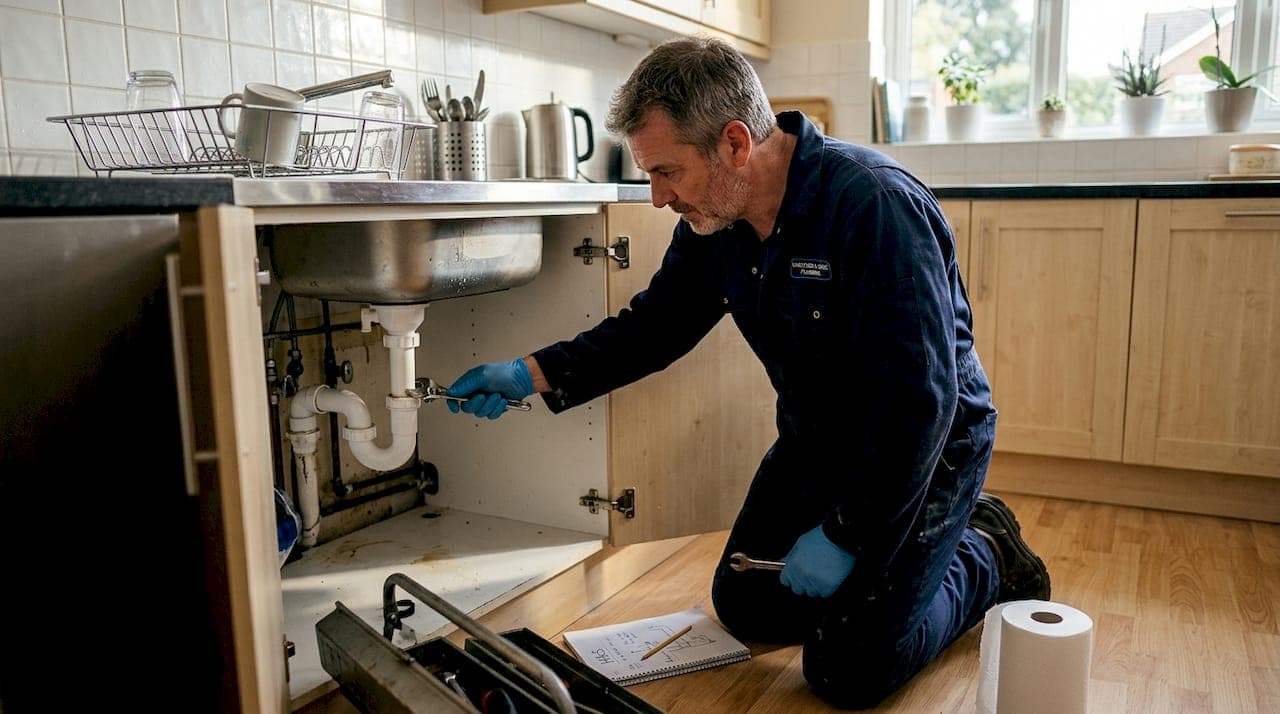
TL;DR:
- Drainage cleaning involves removing obstructions and buildup to ensure water flows freely through household pipes. Regular professional maintenance prevents costly emergencies, structural damage, and health hazards associated with neglected drains. Homeowners should schedule annual inspections and cleaning to catch issues early and avoid reactive, expensive repairs.
A blocked drain rarely announces itself politely. One morning it's a slow-emptying sink, and within weeks you're facing a flooded bathroom, a foul smell you can't locate, and a plumber's invoice that stings. For homeowners in Reading, Oxford, and the surrounding areas, drainage problems are among the most common and most preventable plumbing headaches. This guide explains what drainage cleaning actually involves, why it matters far more than most people realise, how professionals carry it out, and how you can spot trouble before it becomes a genuine emergency.
Table of Contents
- What does drainage cleaning mean?
- Why is drainage cleaning so important for households?
- How does professional drainage cleaning work?
- Signs your drains need cleaning and what to do next
- The uncomfortable truth about drainage cleaning most homeowners miss
- Get professional help for your drains
- Frequently asked questions
Key Takeaways
| Point | Details |
|---|---|
| Prevention saves money | Routine drainage cleaning prevents blockages and can reduce repair expenses by up to 30%. |
| Watch for early signs | Slow drainage, odours, or gurgling noises often signal it's time for cleaning before major trouble starts. |
| Professional methods matter | CCTV inspections and specialist equipment ensure hidden issues are spotted and resolved efficiently. |
| Annual cleaning advised | Most UK homeowners benefit from scheduling professional drain cleaning every year. |
What does drainage cleaning mean?
Drainage cleaning is the process of removing blockages, built-up debris, grease, limescale, and other deposits from your home's pipe network. It covers everything from the small traps beneath your kitchen sink to the larger underground pipes that carry waste away from your property. The goal is straightforward: keep water flowing freely and stop problems from quietly compounding in your walls and underground.
There are two broad approaches. DIY drainage cleaning typically involves drain rods, plungers, enzyme-based drain cleaners, or hot water flushes. These methods work well for minor, surface-level blockages. Professional drainage cleaning goes much further, using high-pressure water jetting, mechanical augers, and camera inspection technology to clear and assess the full length of your pipework.
Common problems that drainage cleaning solves include:
- Slow-draining sinks and baths caused by fat, soap scum, and hair build-up
- Gurgling noises from air trapped behind partial blockages
- Persistent unpleasant smells from decomposing organic matter inside pipes
- Recurring backups where water pools and refuses to drain completely
- Overflowing outdoor gullies after heavy rainfall
As part of a wider plumbing maintenance checklist, drainage cleaning is one of the most cost-effective tasks a homeowner can schedule. Evidence backs this up clearly: regular cleaning prevents 15% flow loss and saves around 30% on long-term repair costs. Those are not small numbers when you consider what emergency plumbing call-outs cost in this region.
"The drains you ignore are the ones that become emergencies. A modest investment in regular cleaning is the single most underappreciated form of home maintenance."
Understanding the full range of plumbing services for UK homes puts drainage cleaning in proper context: it sits alongside boiler servicing and roof checks as a genuinely preventative task, not a reactive one.
Why is drainage cleaning so important for households?
Now you understand what drainage cleaning is, it is essential to see why it is such a critical part of home upkeep. The consequences of neglected drains stretch well beyond a slow sink. They affect your wallet, your family's health, and the long-term condition of your property.
| Consequence of neglect | Preventable with regular cleaning? | Estimated impact |
|---|---|---|
| Pipe blockage and overflow | Yes | Hundreds of pounds in emergency call-outs |
| Structural water damage | Yes | Thousands of pounds in repairs |
| Bacterial growth and pests | Yes | Health risks and pest control costs |
| Flow reduction over time | Yes | Up to 15% efficiency loss |
| Emergency repair bills | Yes | Up to 30% higher long-term costs |
The financial case is compelling. Evidence confirms that regular drain cleaning prevents up to 15% flow loss and delivers roughly 30% savings on repairs across a property's lifetime. For a typical home in Reading or Oxford, that difference can run into hundreds of pounds over just a few years.
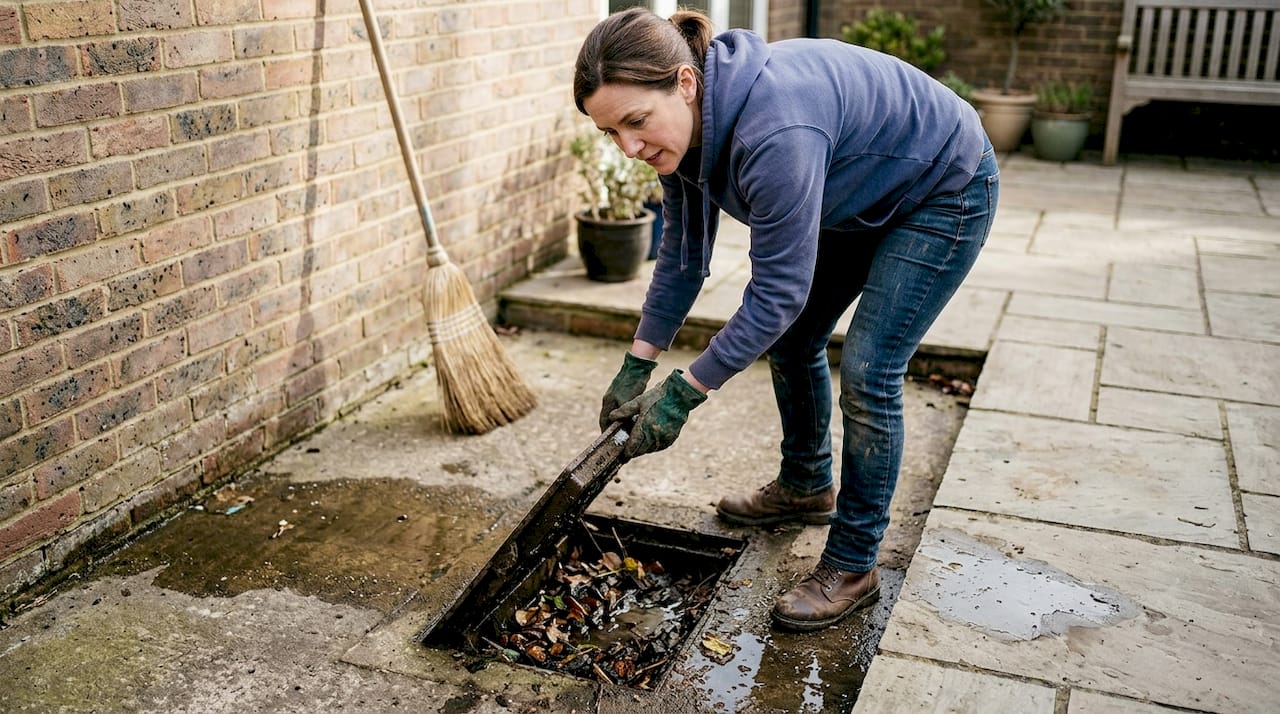
Beyond the money, there are real hygiene concerns. Stagnant water trapped behind partial blockages creates the ideal conditions for bacteria like E. coli and salmonella to multiply. Damp, organic-rich pipe environments also attract cockroaches and drain flies, both of which are notoriously difficult to eliminate once established.
Key household benefits of regular drainage cleaning include:
- Preventing water damage to floors, walls, and foundations caused by slow leaks and overflows
- Protecting your boiler and heating system from pressure issues linked to blocked condensate pipes
- Eliminating odours that seep back into kitchens and bathrooms from decomposing matter
- Extending pipe lifespan by preventing the corrosive build-up of acidic waste and limescale
- Maintaining property value by keeping infrastructure in good working order for surveys and sales
If you want to cut plumbing costs over the long term, drainage maintenance is one of the most direct levers available to you. Similarly, understanding how to prevent costly home repairs starts with the pipes you cannot see every day.
How does professional drainage cleaning work?
With the benefits clear, here is exactly how professionals clean and diagnose drainage systems in UK homes. The process is more systematic than most people expect, and understanding each stage helps you ask the right questions when booking a service.
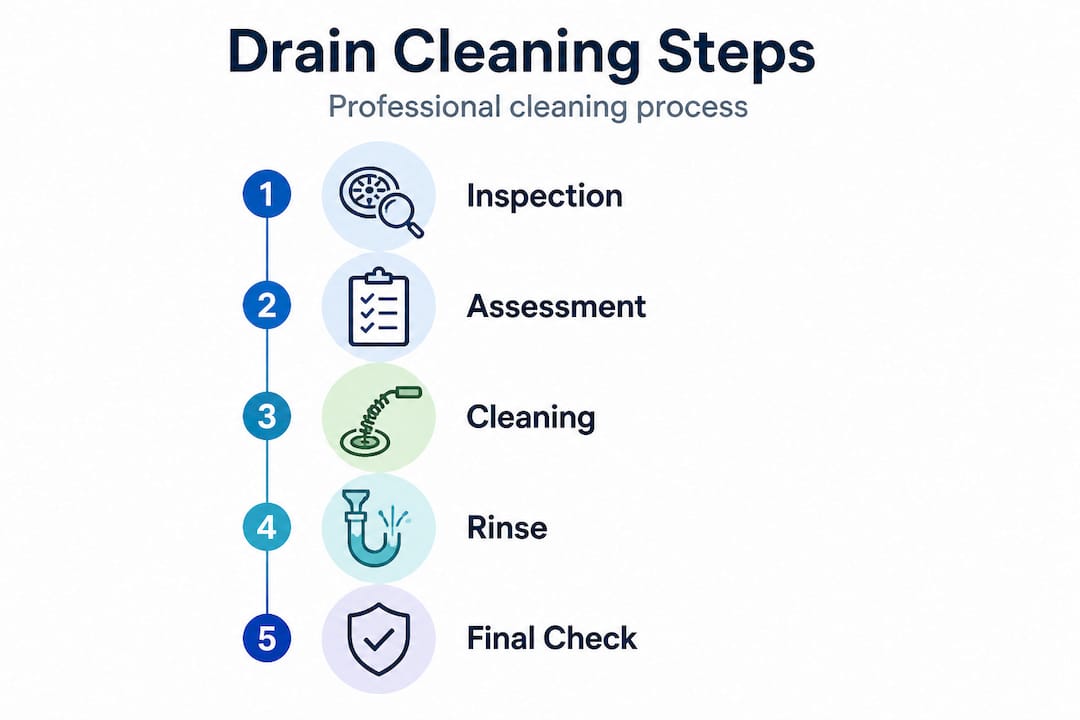
Typical professional drainage cleaning steps
- Initial assessment — The engineer reviews the layout of your drainage system, identifying access points such as manholes, inspection chambers, and cleanout ports. They note any reported symptoms and recent plumbing history.
- CCTV camera inspection — A small, waterproof camera is fed through the pipework to give a live view of conditions inside. This identifies blockages, cracks, root ingress, pipe offsets, and limescale build-up before any cleaning begins.
- High-pressure water jetting — A high-pressure hose delivers a focused jet of water through the pipe, breaking up deposits and flushing debris toward the sewer. This is the gold standard for most residential blockages.
- Mechanical rodding — For denser blockages, flexible rods with cutting or clearing heads are used to break up material that jetting alone cannot shift.
- Post-clean inspection — A second camera pass confirms that the pipe is clear and checks for any underlying damage that needs attention before the job is signed off.
| Method | Best for | Approximate cost | DIY possible? |
|---|---|---|---|
| Plunger or rods | Minor blockages | £0 to £30 | Yes |
| Enzyme drain cleaner | Slow drains, grease | £5 to £20 | Yes |
| Mechanical rodding | Moderate blockages | £80 to £150 | Rarely |
| High-pressure jetting | Heavy build-up, roots | £100 to £250 | No |
| CCTV inspection | Full diagnosis | £120 to £400 | No |
The CCTV technology used for inspections has become a standard diagnostic tool across the industry. A CCTV inspection typically costs £120 to £400 and is considered best practice before any advanced cleaning, as it identifies root intrusion, pipe offsets, and cracks that jetting alone would miss or even worsen.
Pro Tip: If you are scheduling drainage cleaning as part of annual maintenance rather than responding to a crisis, ask the engineer to include a camera inspection pass. The small additional cost consistently catches minor issues before they grow into situations that require emergency plumbing essentials at unsociable hours.
Knowing when to call a professional rather than reaching for a plunger is a skill in itself. As a rule, if a blockage returns within a few weeks of clearing, or if more than one drain in your home is affected simultaneously, it signals a deeper systemic issue. A plumbing maintenance guide for Oxford homes covers this in greater detail, including seasonal tips that are particularly relevant for older properties in the region.
Signs your drains need cleaning and what to do next
Understanding the cleaning process is important, but recognising when you need it is just as crucial. The earlier you catch drainage problems, the cheaper and simpler the fix tends to be.
Warning signs to watch for
- Slow drainage in sinks, baths, or showers that takes noticeably longer than usual to empty
- Gurgling sounds coming from plug holes or toilets, especially after other appliances drain
- Bad smells rising from drains, particularly sulphurous or sewage-like odours in the kitchen or bathroom
- Repeated blockages in the same drain within a short period of time
- Water backing up into a bath or shower when you flush the toilet
- Damp patches on walls or ceilings that correspond to pipe routes behind plaster
- Raised or sunken ground near external drainage runs, which may suggest a collapsed pipe underground
These signs that you need a plumber are not always dramatic. Often they start as a minor nuisance you tolerate for weeks. That tolerance tends to be expensive.
For minor issues, some DIY plumbing fixes are entirely reasonable. Clearing a hair trap, using a rubber plunger on a single slow sink, or pouring boiling water down a kitchen drain to soften grease are all safe starting points. However, avoid using chemical drain unblockers regularly. They are corrosive to older cast iron and clay pipework, which is common in many Oxford and Reading terraced houses, and they rarely solve the root cause.
Pro Tip: Book a CCTV inspection once a year as routine maintenance, not just when problems appear. A CCTV inspection is the standard first step before any advanced cleaning precisely because it catches issues like root ingress or pipe offsetting that are entirely invisible from above ground. One inspection can save you from a full pipe replacement down the line.
If you notice multiple drains misbehaving at once, or if external gullies are backing up during average rainfall rather than exceptional downpours, that is the time to pick up the phone rather than experiment with DIY solutions.
The uncomfortable truth about drainage cleaning most homeowners miss
Here is something that years of working with homeowners in Berkshire and Oxfordshire has made abundantly clear: almost everyone calls a plumber too late. The blockage has already happened. The water has already come through the ceiling. The floor is already saturated. At that point, you are no longer paying for drain cleaning. You are paying for drain cleaning, emergency labour rates, possible structural drying, and the particular stress of a home that is temporarily unliveable.
The conventional approach to drainage maintenance is essentially reactive. You wait for a symptom, you respond to the symptom, you pay the premium that comes with urgency. The uncomfortable truth is that this cycle is entirely optional. Regular cleaning preventing 15% flow loss and saving 30% on repairs is not a marginal improvement. It represents a fundamentally different relationship with your home's infrastructure.
What genuinely proactive homeowners do differently is simple. They treat drainage cleaning like a boiler service: something that happens on a calendar, not as a consequence of a crisis. An annual clean and inspection, carried out when there is no urgency, costs a fraction of a reactive callout. It also means an engineer can spot and address a small crack, a patch of root ingress, or a slow-building grease deposit before any of those things become an insurance claim.
There is also a broader issue around prevention and solutions for plumbing issues that applies equally across the wider region. Older housing stock in Oxford and Reading, much of it Victorian or Edwardian with clay or cast iron drainage runs, is particularly vulnerable to gradual deterioration. Those pipes were not designed for modern volumes of household waste, including cooking fats, wet wipes (even the allegedly flushable ones), and the sheer frequency of use that a busy family generates. Preventative maintenance is not a luxury for that infrastructure. It is genuinely the responsible minimum.
The mindset shift is small. The financial and practical benefits are large. Schedule a clean before you need one, and you will almost certainly never need to pay emergency rates.
Get professional help for your drains
Drains are one of those parts of your home that work silently until they do not. If this article has prompted you to reconsider how you manage yours, that is already a worthwhile outcome. The next step is equally straightforward.

At Your Local Plumber, our engineers cover Reading, Oxford, and the surrounding areas with fast response times and transparent pricing. Whether you need a routine annual clean, a CCTV inspection to identify a recurring problem, or an urgent blockage cleared before it becomes something worse, we handle it efficiently and without fuss. We keep you informed throughout, give you clear quotes before any work begins, and leave your drains in reliably better shape than we found them. Book online or call us directly to arrange a convenient time. Your drains will thank you for it.
Frequently asked questions
How often should drainage cleaning be carried out in a typical UK home?
Most engineers recommend professional drainage cleaning once a year to keep pipes clear and catch early-stage problems before they escalate into costly blockages or structural damage.
Is a CCTV inspection necessary before cleaning my drains?
A CCTV inspection is standard practice before advanced cleaning because it reveals pipe condition, root intrusion, and hidden damage that cannot be identified from ground level alone.
Can I clean my home drains myself or should I always use a professional?
Simple, surface-level blockages are reasonable to tackle yourself using a plunger or a drain trap clear-out, but persistent or recurring issues need a professional to identify and fix the underlying cause safely.
Does regular cleaning really reduce plumbing repair costs?
Yes, the evidence is clear: regular cleaning saves around 30% on long-term repair costs compared with a purely reactive maintenance approach.
What is the difference between drain unblocking and drainage cleaning?
Drain unblocking removes a specific, active blockage causing an immediate problem, while drainage cleaning is a thorough, preventative process that clears the entire pipe run, removes built-up deposits, and leaves the system functioning at full capacity.
Recommended
- 10 practical ways to cut plumbing costs for Reading homes
- Why fix a water leak? Protect your home and save money
- Step-by-step plumbing guide: DIY fixes for Reading homes
- Understanding pipe leaks: Prevent costly home repairs
- Step-by-step drain cleaning workflow for Maine homes
- 5 Warning Signs You Need Sewer Repair (Before It Becomes a $20,000 Emergency)