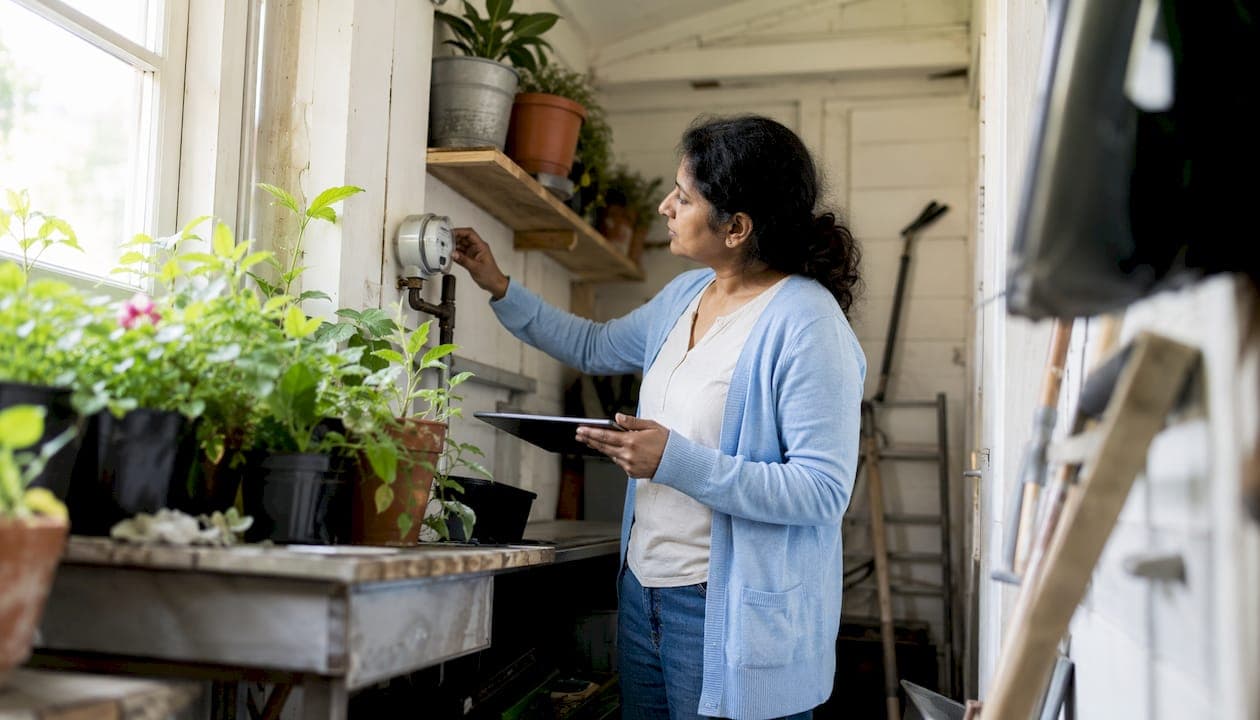
The highest-impact steps are these: request a water meter if you have more bedrooms than occupants, fix any leaking toilets and dripping taps immediately, fit tap aerators and a low-flow showerhead, and call a qualified plumber for anything hidden or pressurised. Done in that order, most UK households can cut their water bills meaningfully without major disruption.
- Switch to metered billing. Switching to a meter typically saves UK households £100–£200 per year, and installation is usually free.
- Fix leaks first. A leaking toilet flapper alone can waste up to 30,000 litres of water annually.
- Fit low-cost devices. Tap aerators and low-flow showerheads pay back within months and are low cost.
- Check your water company's free scheme. Many UK water companies offer free devices including shower timers and leak-detection tablets.
- Use WRAS-approved products and WaterSafe-registered installers for any fitting work.
Pro Tip: Before spending anything, ring your water supplier and ask what free devices or meter trials they offer. Most companies will send shower timers, cistern bags, and dye tablets at no cost.
Table of Contents
- What DIY checks can you do in under 15 minutes to spot leaks?
- Which upgrades deliver the biggest water savings at home?
- What does a professional plumber actually do to find and fix a leak?
- How do water meters work, and should you switch?
- What should businesses do to manage water use and stay resilient?
- How do you choose a qualified installer and the right products?
- Key takeaways
- The thing most guides get wrong about water efficiency
- Fast, certified water-efficiency help from Your-local-plumber
- Useful sources and further reading
What DIY checks can you do in under 15 minutes to spot leaks?
Start at your meter. Turn off every tap, appliance, and valve in the property, then note the meter reading. Wait 30 minutes without using any water. If the dial has moved, you have a leak somewhere on your side of the supply.
- Read the meter baseline. Photograph the reading before and after the 30-minute test.
- Check the toilet cistern. Drop a dye tablet (free from many water companies) or a few drops of food colouring into the cistern. Wait 15 minutes without flushing. Colour appearing in the bowl means the flapper is leaking.
- Test tap flow rate. Hold a one-litre jug under a fully open tap for six seconds. Multiply by ten: that is your litres-per-minute rate. Anything above 12 litres per minute suggests a high-flow fitting worth replacing.
- Look for hidden signs. Damp patches on walls or ceilings, unexplained mould, or a musty smell in a room with no obvious moisture source all point to a concealed pipe leak.
- Check your bills. A sudden unexplained rise in a metered bill, with no change in household habits, is a reliable early signal.
Pro Tip: A running toilet is the single most common source of hidden waste in UK homes. The dye test takes two minutes and costs nothing.
| Sign | Likely cause | Action |
|---|---|---|
| Meter moves with all taps off | Active leak on supply pipe | Call a plumber for pressure test |
| Colour in toilet bowl after dye test | Faulty cistern flapper | Replace flapper (DIY or plumber) |
| Flow rate above 12 l/min at tap | High-flow fitting | Fit aerator or flow regulator |
| Damp patch on wall or ceiling | Hidden pipe leak | Professional leak detection needed |
| Bill spike with no usage change | Concealed or underground leak | Meter check, then professional survey |
When a quick check reveals persistent damp, pressure fluctuations, or a meter that keeps moving despite all taps being off, that is the point to stop DIYing and call a professional.
Which upgrades deliver the biggest water savings at home?
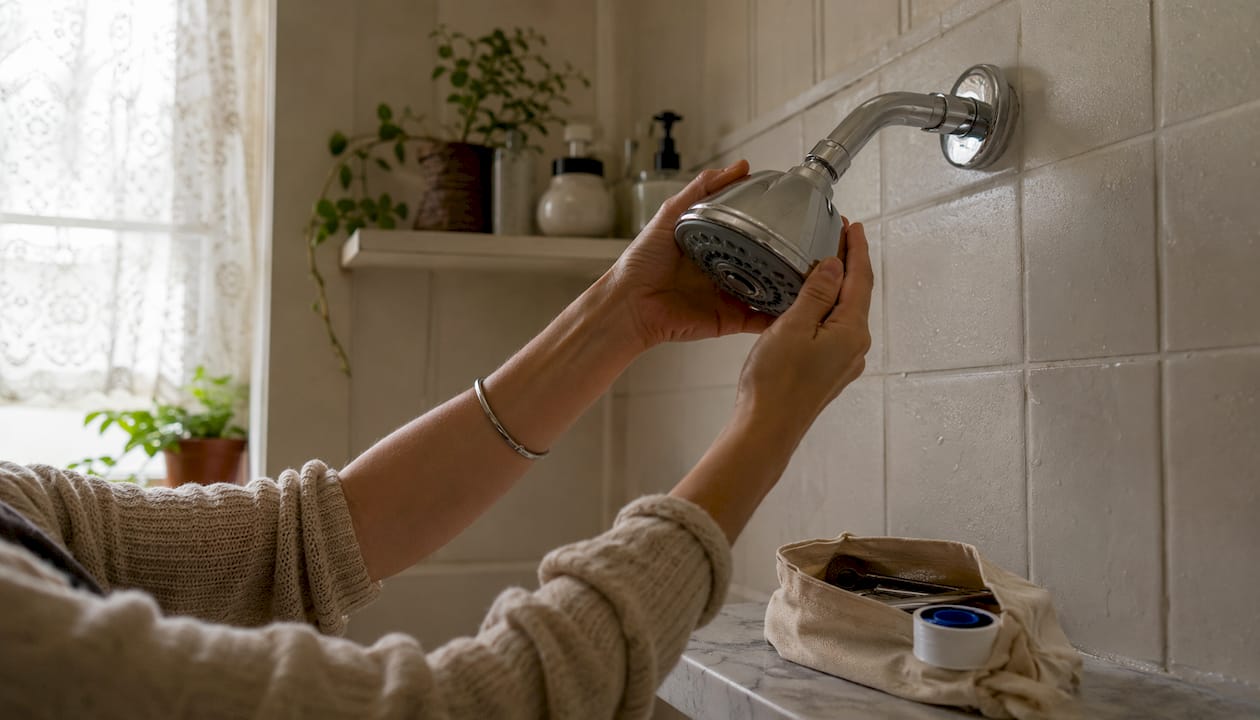
Low-cost devices first, larger investments second. That sequencing matters because aerators and showerheads pay back in months, while a new washing machine or underground tank takes years.
| Upgrade | Typical cost | Annual water saving | Annual bill saving (metered) | Payback |
|---|---|---|---|---|
| Tap aerator | Under £15 | — | — | Weeks |
| Low-flow showerhead | £15–£40 | Significant reduction in flow | ~£15 water + —gas | Months |
| Toilet flapper repair | A few pounds | — | Immediate on meter | Days |
| Rainwater butt (200 l) | £20–£60 | — | Reduces garden mains use | 3–5 years |
| Dual-flush toilet | — | Varies by household | Ongoing | 3 or more years |
Sources: Axiom Eco Homes; Centre for Sustainable Energy.
- Aerators and flow regulators fit most standard UK taps without tools and carry no compatibility issues.
- Low-flow showerheads are generally not compatible with electric showers, which are usually already efficient.
- Dual-flush conversions on older cisterns require a WRAS-approved kit; a plumber should fit them if the cistern is more than 15 years old.
- Rainwater butts need a diverter fitted to the downpipe; straightforward for most homes, but check the Water Label Company's guidance for any product you buy.
Pro Tip: Tap aerators and showerheads are the fastest payback items available. Fit those before committing to anything that costs over £100.
What does a professional plumber actually do to find and fix a leak?
Professional leak detection follows a clear sequence, and each step narrows the search before anything is opened up.
- Visual inspection and meter baseline: the plumber confirms the leak is active and estimates its rough location from the meter behaviour.
- Pressure test: isolating sections of pipework to identify which zone is losing pressure.
- Acoustic detection: specialist listening equipment picks up the sound of water escaping through a pipe, often locating a hidden leak to within a few centimetres without lifting floorboards.
- Tracer gas: for deeply buried or inaccessible pipes, an inert gas is introduced and a sensor detects where it surfaces.
- CCTV inspection: used when drains or underground runs are involved; a partner service such as CCTV drain surveys can identify blockages or fractures that contribute to damp and apparent leaks.
- Dripping tap repair: typically under an hour, low cost.
- Toilet flapper replacement: 30–60 minutes, parts cost a few pounds.
- Hidden pipe leak (accessible): half a day, depending on location.
- Underfloor or underground leak: one to two days, higher cost, but far cheaper than the structural damage from leaving it.
Misinstalled water-saving hardware can actually reduce system performance. A poorly seated aerator, for example, can cause back-pressure that stresses older pipe joints. That is why professional leak detection matters beyond just finding the problem.
Pro Tip: Ask any plumber you hire for a written scope, a timeline, and a warranty on the repair. A confident professional will provide all three without hesitation.
How do water meters work, and should you switch?
A water meter replaces your fixed assessed charge with a bill based on what you actually use. Installation is free in England and Wales, and most water companies offer a two-year trial during which you can revert to unmetered billing if you prefer.
The rule of thumb: if your home has more bedrooms than occupants, a meter almost always saves money. The typical saving is £100–£200 per year, though the exact figure depends on your current assessed charge and actual usage.
- Visit your water company's website (Thames Water, Severn Trent, and most others have an online request form).
- Request a meter installation, which is free for most households in England and Wales.
- Use the Consumer Council for Water's meter calculator at ccw.org.uk to estimate your likely saving before committing.
- During the two-year trial, track your bills each quarter. If costs rise, you can switch back.
For businesses, the picture is different. Sub-metering individual processes or floors lets facilities managers identify exactly where consumption is highest, and it supports continuity planning against non-essential use bans (NEUBs). Ofwat guidance confirms NEUBs can restrict commercial activities including window cleaning, fountains, and landscaping irrigation during periods of water stress.
Pro Tip: Even during the trial period, fit a few aerators and fix any known leaks before your first metered bill arrives. You will see the saving from day one.
What should businesses do to manage water use and stay resilient?
Businesses account for roughly one-third of supplied water in the UK, and a NEUB can shut down water-dependent operations with little warning. Water efficiency is therefore a continuity measure, not just a cost one.
- Audit your main uses: kitchens, toilets, cooling systems, and any process water.
- Fit sub-meters on high-consumption areas so you can see exactly where demand spikes.
- Set consumption alerts via your meter provider or a simple IoT alarmed meter.
- Reduce landscaping irrigation with timers and drought-tolerant planting.
- Have a written emergency shut-off plan so staff know which valves to close and who to call.
- Immediate: identify your main stop valve and confirm all staff know its location.
- Within 30 days: request sub-meter installation on any process that uses significant water.
- Within 90 days: integrate meter data with your facilities management system or set up basic IoT alerts for abnormal overnight consumption.
Pro Tip: Overnight consumption on a business meter should be near zero. If it is not, you have a leak. Smart leak-detection systems can isolate supply automatically when abnormal patterns are detected, preventing structural damage.
How do you choose a qualified installer and the right products?
The two things that matter most: WRAS approval on the product, and WaterSafe or TrustMark registration on the installer.
- WRAS (Water Regulations Advisory Scheme): any fitting connected to the mains supply should carry WRAS approval. Check the WRAS product approval database before buying.
- WaterSafe: the national register of approved plumbers in the UK. Search by postcode at watersafe.org.uk.
- TrustMark: a government-endorsed quality scheme covering a broad range of tradespeople, including plumbers.
- Part G of the Building Regulations: applies to new builds and significant alterations. It sets water-efficiency targets and is part of the government's twin-track approach to reducing demand alongside infrastructure leakage reduction.
- Confirm the installer is on the WaterSafe register before agreeing any work.
- Ask for examples of similar water-efficiency installs they have completed.
- Request a written quote with a clear scope, timeline, and aftercare warranty.
- Check any product you are buying against the WRAS database or the Water Label Company's listings.
- For plumbing regulations covering new installations, confirm Part G compliance with your installer before work begins.
Pro Tip: Waterwise and industry research consistently find that installer knowledge is the biggest barrier to water-efficiency adoption, not technology. A specialist who has done this before will deliver measurably better outcomes than a generalist fitting a water-saving device for the first time.
Key takeaways
Switching to a metered supply, fixing leaks immediately, and fitting WRAS-approved low-flow devices are the three steps that deliver the fastest, most reliable savings for UK homeowners and businesses.
| Point | Details |
|---|---|
| Meter first | Households with more bedrooms than occupants typically save £100–£200 per year by switching; installation is free. |
| Fix leaks before upgrading | A leaking toilet flapper wastes up to 30,000 litres annually; repair costs a few pounds and pays back immediately. |
| Low-cost devices, fast payback | Tap aerators (under £15) save — a year; low-flow showerheads (£15–£40) pay back within months. |
| Use approved products and installers | Check WRAS approval on fittings and WaterSafe or TrustMark registration on any installer before committing. |
| Your-local-plumber | For leak detection, fixture upgrades, and sub-metering, Your-local-plumber provides certified engineers and transparent quotes across the UK. |
The thing most guides get wrong about water efficiency
Most water-efficiency articles treat the problem as a shopping list: buy this showerhead, fit that aerator, done. The reality is more interesting, and the gap is almost always in the diagnosis, not the hardware.
The Waterwise research on this is worth sitting with: the limiting factor for widespread adoption of efficiency measures is installer knowledge and confidence, not the availability of technology. Plumbers who have never fitted a water-efficiency device are understandably cautious about recommending one. That caution is rational for them, but it costs homeowners real money.
The other thing guides underplay is timing. Fitting a rainwater diverter or shortening hot-water pipe runs during a bathroom renovation costs a fraction of what it costs to retrofit later. The same goes for greywater pipework. If you are planning any significant work, that is the moment to future-proof, not after the walls are back on.
One more thing: hidden leaks are almost always worse than people expect. A meter that moves overnight with all taps off is not a minor curiosity. It is often a slow pipe failure that, left alone, will eventually cause the kind of water-damaged flooring that requires professional floor repair on top of the plumbing bill. The acoustic detection and pressure-testing tools that a trained plumber brings to a job locate these leaks in hours, not days, and the cost is almost always recovered quickly.
Fast, certified water-efficiency help from Your-local-plumber
Cutting water bills and preventing leak damage is faster when you have a certified engineer who has done it before, not a generalist working from a product manual.

Your-local-plumber provides emergency leak repair, professional leak-detection surveys, fixture and showerhead upgrades, rainwater butt installation, sub-metering for businesses, and full system retrofits, all carried out by experienced engineers with transparent, upfront pricing. No vague estimates, no return visits to fix what was missed the first time.
If your meter is moving overnight, your bills have spiked, or you want a professional to assess your property's water efficiency from the ground up, get in touch with Your-local-plumber and book a survey. The first step is a conversation.
Useful sources and further reading
- Ofwat: help for you to save water — practical tips and links to water company advice, including meter guidance.
- Ofwat: hosepipe bans and non-essential use bans — explains NEUB rules and what they mean for businesses.
- GOV.UK: national framework for water resources 2025 — covers Part G building regulations and the government's efficiency targets.
- Waterwise: water-efficient house of the future — research on installer knowledge barriers and household efficiency measures.
- Waterwise: how to save water at home — practical behavioural tips co-published with the Home Builders Federation.
- Centre for Sustainable Energy: saving water to save money — detailed breakdown of savings by appliance and behaviour, including shower and washing machine data.
- Axiom Eco Homes: water-saving devices for UK homes — sourced figures for aerators, showerheads, and rainwater butts.
- WaterSafe (watersafe.org.uk) — search for approved plumbers by postcode.
- WRAS product approval database (wras.co.uk) — check any fitting before buying.
- Consumer Council for Water meter calculator (ccw.org.uk) — estimate your household saving before requesting a meter.
- John Guest: conserving water in domestic plumbing — technical guidance on IoT leak detection and smart shut-off valves.