TL;DR:
- Pouring chemical drain cleaner down a blocked sink may seem effective but often worsens the issue or is insufficient. Drain jetting uses high-pressure water to physically remove blockages and clean pipe walls, providing a more thorough and lasting solution. Professional inspection and operation are essential to prevent pipe damage, making expert drain jetting the safest and most effective choice for persistent or severe drainage problems.
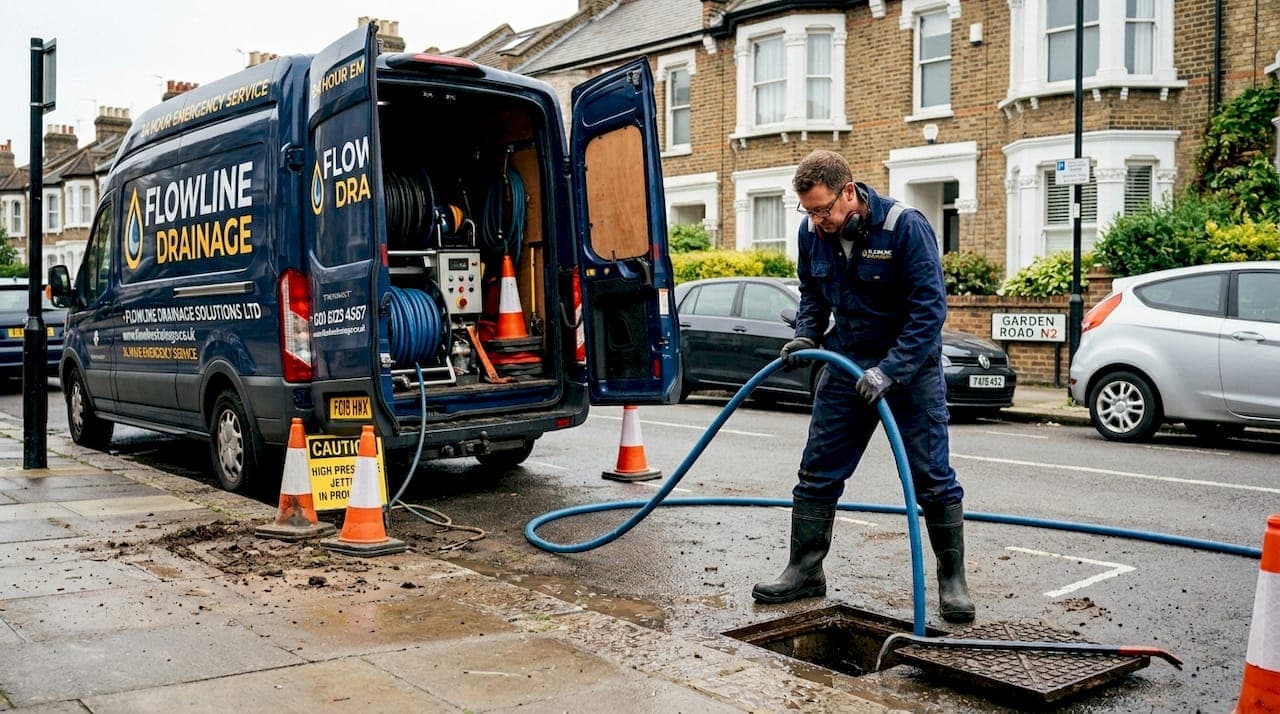
Pouring a bottle of chemical drain cleaner down a blocked sink feels like the obvious first move. It's cheap, it's quick, and it gives you the satisfying sense that you've done something. But if your drains keep blocking up or the water is still sitting stubbornly in the basin an hour later, that bottle has done little more than add chemicals to the problem. Drain jetting is a completely different approach, one that uses high-pressure water to physically remove blockages and clean pipe walls from the inside. This article explains how it works, when you need it, and why professional handling makes all the difference for homes in Reading and the surrounding area.
Table of Contents
- What is drain jetting and how does it work?
- Benefits of professional drain jetting for your home
- When and why should you choose drain jetting?
- Drain jetting safety and inspection: Avoiding costly mistakes
- Why most homeowners underestimate drain jetting risks
- Book professional drain jetting for reliable results
- Frequently asked questions
Key Takeaways
| Point | Details |
|---|---|
| Thorough blockage removal | Drain jetting clears even severe clogs more effectively than basic DIY methods. |
| Safety through inspection | Professional plumbers always inspect pipes first to prevent damage during jetting. |
| DIY risks are real | Attempting jetting yourself can worsen problems and lead to costly repairs. |
| Local experts deliver results | Homeowners in Reading benefit from fast, reliable drain jetting by trained professionals. |
What is drain jetting and how does it work?
Drain jetting, sometimes called high-pressure water jetting, is a method of clearing blocked or slow drains using a powerful stream of water delivered through a specialist hose and nozzle. Unlike chemical cleaners that try to dissolve a blockage, or a standard plunger that pushes it around, jetting physically breaks up and flushes out whatever is causing the problem, whether that is grease, soap scum, hair, root intrusion, or compacted silt.
The equipment at the heart of this process is a motorised pump unit that pressurises water to levels between 1,500 and 5,000 PSI (pounds per square inch), depending on the pipe size and the nature of the blockage. The hose feeds into the drain and a rotating or forward-facing nozzle directs water at the pipe walls and the obstruction simultaneously. This dual action cleans the blockage itself while also scrubbing any buildup from the internal surface of the pipe, which helps slow drainage from recurring quickly.
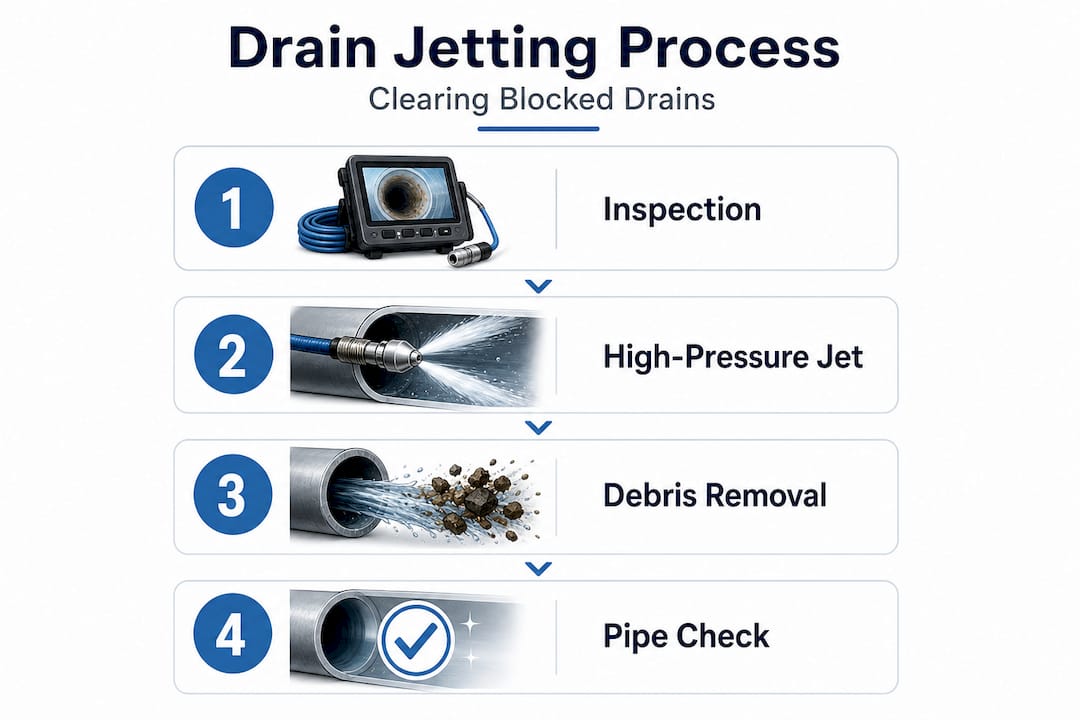
A standard plunger or even a hand-held drain snake (a flexible metal cable used to hook or break up clogs) cannot reach deep into a drainage system. Jetting equipment, by contrast, can travel several metres along a pipe, navigating bends and junctions to reach blockages that are well out of reach of any household tool.
That said, waterjetting equipment requires trained operation and specialist knowledge. Incorrect pressure settings or the wrong nozzle for a particular pipe can cause damage rather than solve the problem. This is why pre-inspection, typically by CCTV camera, is part of any professional service before the jetting begins.
Pro Tip: If you are curious about what can be attempted at home before calling in the professionals, have a read of these DIY drain fixes as a useful starting point.
Key facts about drain jetting equipment:
- Pump units can deliver water at pressures from 1,500 PSI upwards
- Hoses are semi-rigid and self-propel forward using rear-facing jets
- Nozzle types vary: penetrating nozzles for tough clogs, flushing nozzles for clearing debris, root-cutting nozzles for tree root intrusion
- Machines range from compact van-mounted units to larger tanker vehicles for commercial drainage
How it differs from other methods
| Method | Clears deep blockages | Cleans pipe walls | Suitable for DIY | Risk of pipe damage |
|---|---|---|---|---|
| Chemical cleaner | No | No | Yes | Low (some risk) |
| Plunger | No | No | Yes | Very low |
| Drain snake | Partial | No | Partially | Moderate |
| High-pressure jetting | Yes | Yes | No | Low with professional |
The table makes it clear: jetting is in a different category to the methods most homeowners reach for first.
Benefits of professional drain jetting for your home
With the basics of drain jetting covered, let us examine what sets professional services apart and why homeowners in Reading benefit from expert help.
The most immediate benefit is speed. A blockage that has resisted chemicals, plunging, and snaking for days can often be cleared in a single professional visit. This matters enormously when you are dealing with a blocked kitchen sink, a slow shower drain, or, worse, a main sewer line that is backing up into the property.
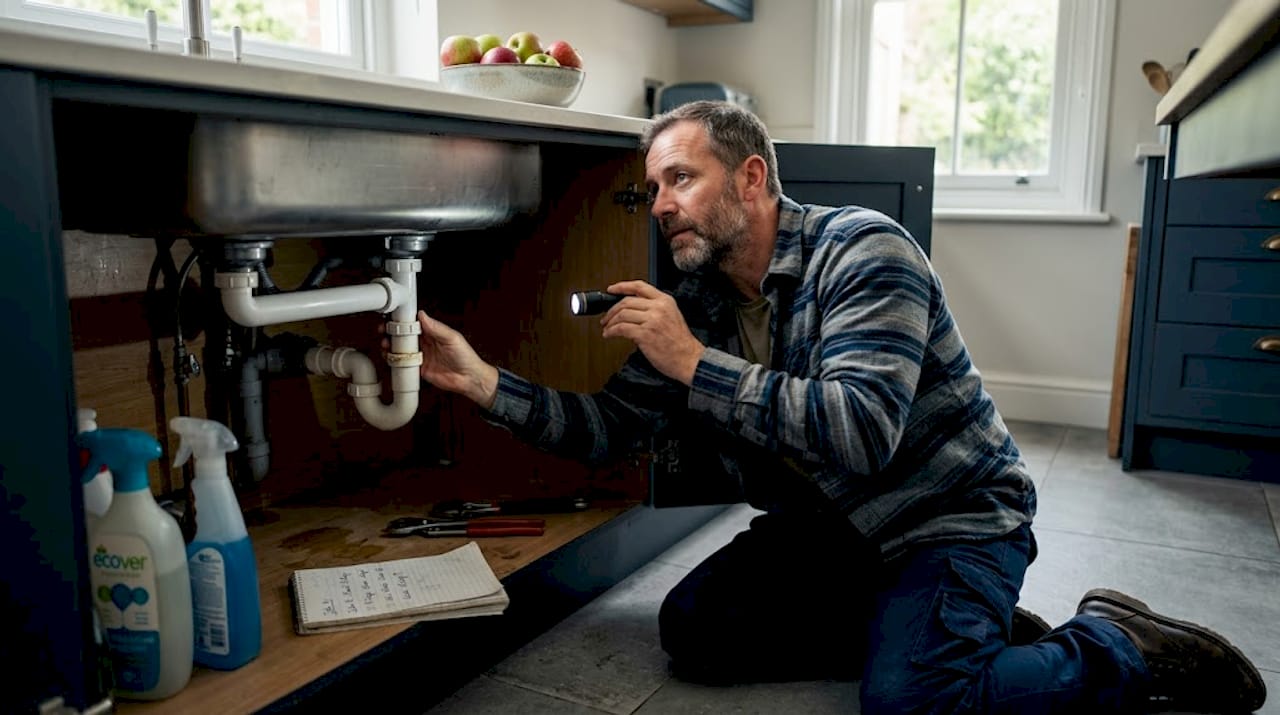
Beyond speed, professional jetting delivers a level of cleanliness inside your pipes that no other domestic method can match. Over time, grease, soap residue, and mineral deposits build up on pipe walls and progressively narrow the internal diameter. Regular jetting removes these layers completely, restoring the pipe to something close to its original flow capacity. The drainage cleaning benefits for your home's long-term plumbing health are significant, particularly in older properties with narrower pipes.
There is also a structural argument. Chemical cleaners, when used repeatedly, can degrade certain pipe materials over time, particularly older clay or cast iron systems. High-pressure water, when applied correctly, carries no such risk. As professional jetting guidance consistently emphasises, the key phrase is "when applied correctly," which is why qualified engineers rather than homeowners should be operating the equipment.
Attempting this work yourself carries real risks. You can find a thorough breakdown of common DIY plumbing mistakes that end up costing homeowners far more than a professional call-out would have. The pattern is consistent: a small problem becomes an expensive repair when handled without the right knowledge.
Well-maintained drainage also protects your property's foundations. Standing water and recurring leaks caused by neglected drains can lead to damp, subsidence, and structural issues. The drainage system benefits extend well beyond a clear sink; they protect the entire building.
Why professional drain jetting stands apart:
- Clears full-length blockages, not just surface-level ones
- Removes pipe wall buildup that slows drainage gradually
- Reduces the frequency of future blockages
- Avoids the chemical residue left by store-bought cleaners
- Protects older pipe materials from unnecessary chemical exposure
- Includes a pre-inspection to identify any underlying issues
When and why should you choose drain jetting?
Having explored the advantages of professional jetting, let us clarify when this solution is most effective and what signs indicate it is needed.
The clearest signal is persistence. If a drain is slow or blocked repeatedly, despite your best efforts with household tools and products, the blockage is not clearing fully. It may be compacted grease deep in the system, a partial root intrusion, or a silt buildup that requires professional attention. Recognising these signs you need a plumber early can save you from a much larger problem later.
Emergency situations, such as a ground-floor toilet backing up, water coming out of an outside drain inspection cover, or a kitchen sink that is completely impassable, also call for immediate jetting rather than further DIY attempts. Waiting or persisting with plungers in these scenarios risks making the situation worse.
Routine or preventive jetting is also worth considering, even when drains are currently working well. For preventing plumbing issues before they become emergencies, an annual or biannual clean of key drains, especially kitchen and outdoor drains, is a sensible investment. It is far less disruptive and far less costly than an emergency call-out.
Before any jetting takes place, a drain survey or CCTV inspection is strongly recommended. Specialist equipment and trained operators are needed not just for the jetting itself, but to assess the condition of the pipes beforehand. This step ensures that the pressure and nozzle type chosen are appropriate, and it reveals any structural issues that need addressing first.
Five situations where drain jetting is the right call:
- A drain that blocks up repeatedly within weeks or months of being cleared
- Multiple drains in the property slowing simultaneously (suggests a main line issue)
- Foul smells coming from drains even after surface cleaning
- Visible outdoor drain flooding during heavy rain
- A property that has not had its drains professionally cleaned in several years
Pro Tip: If you are unsure whether your drains need attention, a CCTV drain survey will give you a clear, visual answer without any guesswork.
Drain jetting safety and inspection: Avoiding costly mistakes
Before booking a drain jetting service, it is crucial to understand why pre-inspection matters and how safety is prioritised by professionals.
The pipe inspection stage is not optional, and it is not just a formality to justify the bill. It is what separates a successful jetting job from a potentially catastrophic one. Before any water pressure is applied, your engineer needs to know what is inside the pipe and what condition it is in. Cracked sections, root intrusions, collapsed joints, and corroded areas all change what equipment and what pressure settings are appropriate.
"Incorrect pressure or nozzle choice, or skipping pre-inspection, can increase risk, including damaging vulnerable pipes or failing to address underlying structural defects." Waterjetting best practices
This is the core reason why drain jetting is not a DIY task. Consumer-grade jetting machines are available to hire, but without the knowledge to set correct pressure, select the right nozzle, and inspect the pipe beforehand, the risk of causing serious damage is very real. A cracked clay pipe subjected to excessive pressure can collapse entirely, turning a £150 call-out into a £3,000 excavation job.
Your plumbing maintenance checklist should include a note to arrange professional drain inspections, particularly for properties built before the 1980s when clay pipes were standard. These older systems need careful handling.
A good pipe inspection guide will walk you through what inspectors look for and how the process works, which is worth reading before booking any drainage work.
What professionals check before jetting:
- Pipe material (clay, plastic, cast iron all behave differently under pressure)
- Pipe age and visible signs of corrosion or cracking
- Root intrusion that may require a different approach first
- Joint displacement or collapse that would worsen under pressure
- The location and scale of the blockage itself
Skipping these checks is the single biggest mistake made when drain jetting goes wrong. Professional engineers in Reading know the local drainage conditions, the prevalence of certain pipe types in older housing stock, and the common causes of blockages in this area. That local knowledge is genuinely valuable, not just a marketing claim.
Why most homeowners underestimate drain jetting risks
Here is an uncomfortable truth: the drain jetting industry is full of well-meaning homeowners who hired a machine, watched a ten-minute video, and proceeded to cause several thousand pounds worth of damage to their own drainage system. This is not a rare occurrence.
The mental model most people carry is that drain jetting is essentially a power washer pointed down a hole. Point, fire, job done. In reality, the process involves selecting the correct working pressure for the pipe diameter and material, choosing between several nozzle types depending on the blockage, understanding how water behaves inside a partially collapsed or jointed pipe, and knowing when to stop because the resistance you are feeling is a structural defect rather than a stubborn clog.
The age of Reading's housing stock makes this particularly relevant. Many properties in and around Reading were built in the mid-20th century or earlier, with clay drainage systems that have been in the ground for sixty, seventy, or eighty years. These pipes are inherently more fragile, more likely to have shifted at the joints, and far less tolerant of high pressure than modern plastic systems. Applying the same pressure settings you would use on a modern installation can split them entirely.
There is also the issue of hidden defects. A pipe that is draining slowly may appear to have a simple blockage but actually have a partial collapse or a section that has dropped out of alignment. Jetting this without inspection does not just fail to fix the underlying problem: it makes it significantly worse. This is where the DIY plumbing mistakes pattern repeats itself painfully.
The professionals who do this work well are not just operating machinery. They are interpreting what they see in the CCTV footage, making decisions about pressure and technique based on experience with hundreds of similar jobs, and protecting your home from the risk of a repair that is orders of magnitude more expensive than the original service. That expertise is what you are paying for, and it is genuinely worth it.
Book professional drain jetting for reliable results
If your drains are slow, blocked, or causing concern, prompt professional attention is the smartest move you can make. Waiting rarely makes drainage problems easier or cheaper to solve.

At Your Local Plumber, our experienced engineers cover Reading and the surrounding area with fast response times and transparent, no-surprise pricing. We carry out a full pipe inspection before any jetting begins, so you know the work is safe and appropriate for your drainage system. Whether it is a kitchen drain blocked with grease, an outdoor drain backing up after heavy rain, or a whole-house drainage system that needs a proper clean, we have the right equipment and the right knowledge for the job. Browse our recent project gallery to see the standard of our work, and get in touch to arrange a booking that fits around you.
Frequently asked questions
Is drain jetting safe for older pipes?
Drain jetting can be entirely safe for older pipes provided a thorough inspection is carried out first. Professionals assess pipe condition and adjust pressure settings accordingly to avoid damaging vulnerable sections.
How quickly can a blockage be cleared with drain jetting?
In most cases, a professional engineer can clear a stubborn blockage within a single visit, often in under an hour. The time varies depending on the blockage's depth, density, and cause.
Do I need an inspection before drain jetting?
Yes, a pre-inspection is essential and should not be skipped. It confirms whether pipes are suitable for jetting and identifies any structural issues that need addressing first to prevent costly accidents.
Is drain jetting effective for kitchen sink blockages?
Drain jetting is one of the most effective solutions for kitchen sink blockages because the high-pressure water cuts directly through compacted grease, food debris, and soap residue that chemical cleaners rarely touch fully.